 Back
BackBlood: Structure, Function, and Clinical Significance
Study Guide - Smart Notes
 Tailored notes based on your materials, expanded with key definitions, examples, and context.
Blood: Structure, Function, and Clinical Significance
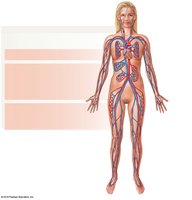
Overview of the Cardiovascular System
The cardiovascular system is composed of the heart, blood vessels (arteries, veins, capillaries), and blood. It is responsible for transporting essential substances throughout the body and maintaining homeostasis.
Functions and Properties of Blood
Major Functions of Blood
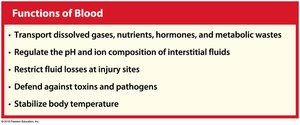
Blood is a specialized connective tissue that performs several critical functions necessary for life and health:
Transport: Delivers oxygen, carbon dioxide, nutrients, hormones, and metabolic wastes.
Regulation: Maintains pH, ion composition, and water content of cells.
Restriction of Fluid Loss: Clotting mechanisms prevent excessive blood loss after injury.
Defense: White blood cells and antibodies protect against toxins and pathogens.
Stabilization of Body Temperature: Distributes heat generated by muscles and organs.
Physical and Chemical Properties of Blood
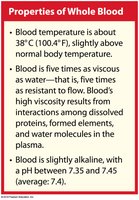
Blood exhibits unique physical and chemical properties that support its functions:
Temperature: Approximately 38°C (100.4°F), slightly higher than normal body temperature.
Viscosity: About five times more viscous than water due to dissolved proteins and formed elements.
pH: Slightly alkaline, ranging from 7.35 to 7.45 (average 7.4).
Composition of Blood
Major Components
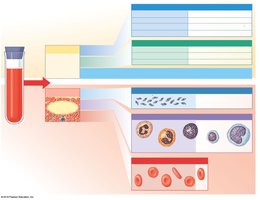
Blood consists of plasma (the liquid matrix) and formed elements (cells and cell fragments):
Plasma: Makes up about 55% of blood volume; composed of water, proteins, and other solutes.
Formed Elements: Make up about 45% of blood volume; includes red blood cells (RBCs), white blood cells (WBCs), and platelets.
Plasma Composition
Plasma is primarily water (about 91.5%) with dissolved proteins (7%) and other solutes (1%). The main plasma proteins are:
Albumins: Maintain osmotic pressure and transport substances.
Globulins: Include antibodies and transport proteins.
Fibrinogen: Essential for blood clotting.

Formed Elements
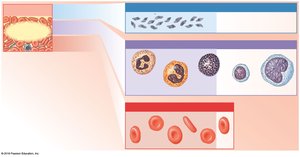
The formed elements of blood include:
Red Blood Cells (Erythrocytes): Transport oxygen and carbon dioxide.
White Blood Cells (Leukocytes): Defend against infection and disease.
Platelets (Thrombocytes): Involved in blood clotting.
Hematopoiesis: Formation of Blood Cells
Stem Cell Differentiation
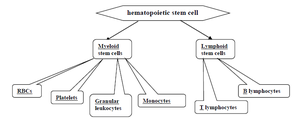
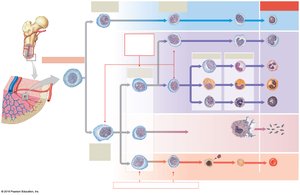
All formed elements originate from hematopoietic stem cells in the red bone marrow. These stem cells differentiate into myeloid and lymphoid lineages:
Myeloid Stem Cells: Give rise to RBCs, platelets, granulocytes, and monocytes.
Lymphoid Stem Cells: Give rise to B and T lymphocytes.
Red Blood Cells (Erythrocytes)
Structure and Function
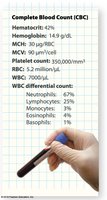
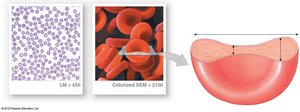
Red blood cells are biconcave discs lacking nuclei and mitochondria. Their shape increases surface area for gas exchange and allows flexibility to pass through capillaries. Each RBC contains millions of hemoglobin molecules for oxygen transport.
Functional Aspects
Large Surface Area-to-Volume Ratio: Facilitates rapid gas exchange.
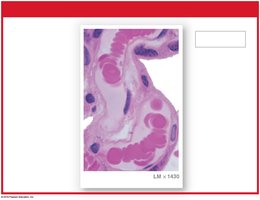
Stacking (Rouleaux Formation): Eases flow through narrow vessels.
Flexibility: Enables passage through capillaries.
Hemoglobin Structure
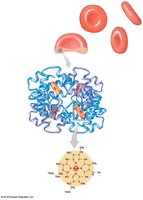
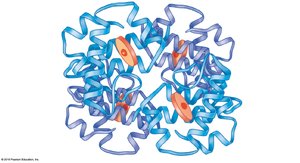
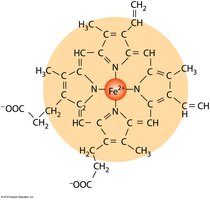
Hemoglobin is a protein composed of four globin chains, each with a heme group containing iron (Fe2+). Each heme binds one oxygen molecule, allowing each hemoglobin to carry up to four oxygen molecules.
Red Blood Cell Recycling
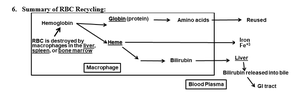
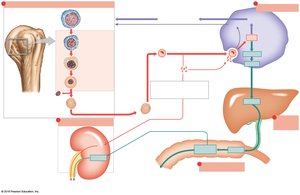
RBCs have a lifespan of about 120 days. Old or damaged RBCs are phagocytized by macrophages, and their components are recycled:
Globin: Broken down into amino acids for reuse.
Iron: Recycled and transported by transferrin to the bone marrow.
Heme: Converted to bilirubin, excreted in bile.
Blood Typing and Compatibility
ABO and Rh Blood Groups
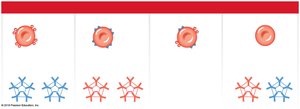
Blood types are determined by the presence of specific antigens (agglutinogens) on RBC surfaces. The major groups are ABO and Rh:
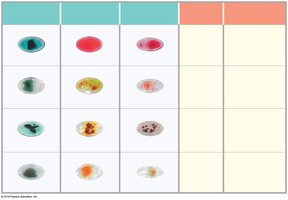
ABO System: Type A (A antigen), Type B (B antigen), Type AB (both), Type O (neither).
Rh System: Rh+ (antigen present), Rh− (antigen absent).
Blood Transfusion Compatibility
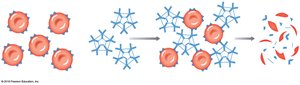
Transfusion reactions occur if incompatible blood is mixed, leading to agglutination and hemolysis. Cross-matching is essential before transfusion to prevent these reactions.
Hemolytic Disease of the Newborn (HDN)
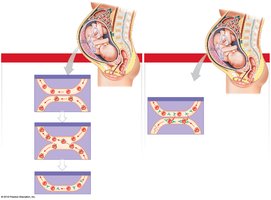
HDN occurs when an Rh− mother carries an Rh+ fetus. Sensitization during the first pregnancy leads to maternal anti-Rh antibodies, which can cross the placenta in subsequent pregnancies and destroy fetal RBCs. Prevention involves administering RhoGAM to the mother after delivery of an Rh+ infant.
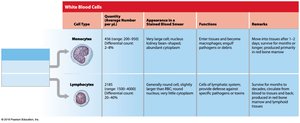
White Blood Cells (Leukocytes)
Classification and Function
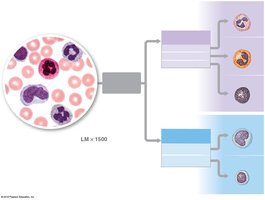
Leukocytes are divided into two main groups based on the presence of cytoplasmic granules:
Granular Leukocytes: Neutrophils, eosinophils, basophils.
Agranular Leukocytes: Lymphocytes, monocytes.
Shared Properties of WBCs
Short lifespan (hours to years).
Can leave the bloodstream (emigration/diapedesis).
Attracted to sites of infection or injury (positive chemotaxis).
Phagocytosis (mainly neutrophils and macrophages).
Hemostasis and Blood Clotting
Mechanisms of Hemostasis
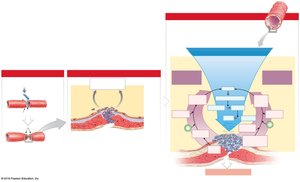
Hemostasis is the process of stopping blood loss after vessel injury, involving three phases:
Vascular Phase: Vasoconstriction and endothelial changes to reduce blood flow.
Platelet Phase: Platelet adhesion and aggregation to form a temporary plug.
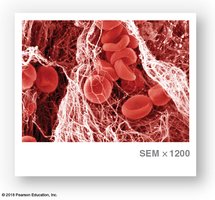
Coagulation Phase: Cascade of reactions leading to the conversion of fibrinogen to fibrin, forming a stable clot.
Clot Retraction and Fibrinolysis
Clot Retraction: Tightening of the clot to reduce bleeding and facilitate tissue repair.
Fibrinolysis: Dissolution of the clot by plasmin after tissue repair is complete.
Clinical Aspects of Blood
Blood Disorders
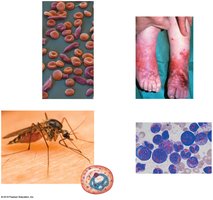
Nutritional Disorders: Iron deficiency anemia, vitamin B12 deficiency, and deficiencies in calcium or vitamin K affecting clotting.
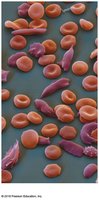
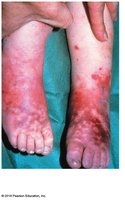
Congenital Disorders: Sickle cell anemia, hemophilia, thalassemia.
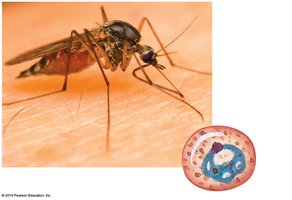
Infections: Bacteremia, viremia, septicemia, malaria.
Tumors: Leukemias (myeloid and lymphoid).
Degenerative Disorders: Disseminated intravascular coagulation (DIC).
Additional info: This guide covers the essential aspects of blood structure, function, and clinical significance, integrating foundational knowledge with clinical applications relevant to Anatomy and Physiology college courses.
