 Back
Cell Cycle, Mitosis, and Protein Synthesis: Core Concepts for ANP Students
Study Guide - Smart Notes
 Tailored notes based on your materials, expanded with key definitions, examples, and context.
Cell Cycle and Division
Overview of the Cell Cycle
The cell cycle describes the sequence of events that a cell undergoes from its formation until it divides into two daughter cells. It consists of interphase (growth and DNA replication) and the mitotic phase (cell division).
Interphase: The period of cell growth and DNA replication, subdivided into G1, S, and G2 phases.
Mitotic (M) phase: The phase where the cell divides, including mitosis and cytokinesis.
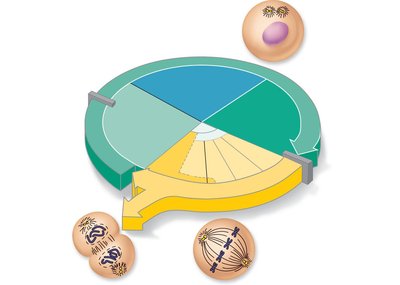
Interphase
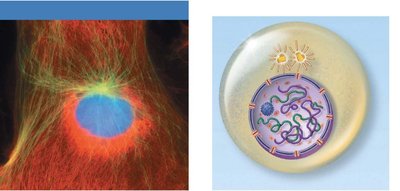
During interphase, the cell prepares for division by growing and replicating its DNA. The nuclear material is in the form of chromatin.
G1 (Gap 1): Vigorous cell growth and metabolism.
G0: A resting phase for cells that do not divide again.
S (Synthesis): DNA replication occurs.
G2 (Gap 2): Final preparations for cell division.
DNA Replication
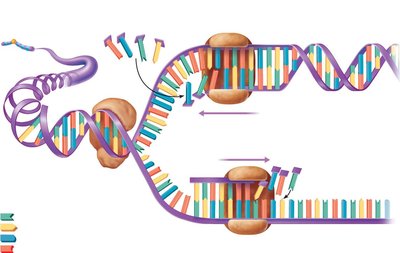
DNA replication is the process by which a cell duplicates its DNA, ensuring that each daughter cell receives an identical set of genetic instructions. This process is semiconservative, meaning each new DNA molecule consists of one old and one new strand.
Helicase unwinds the DNA double helix.
DNA polymerase synthesizes new DNA strands using free nucleotides.
Replication occurs in opposite directions on the leading and lagging strands.
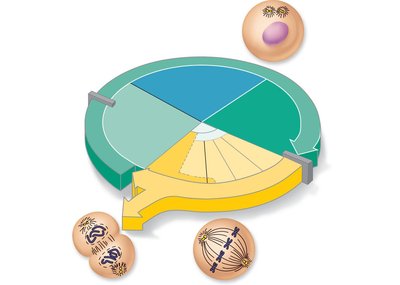
Cell Division: Mitosis and Cytokinesis
Cell division is essential for growth and tissue repair. It includes two main processes: mitosis (nuclear division) and cytokinesis (cytoplasmic division).
Mitosis: Divided into four stages—prophase, metaphase, anaphase, and telophase.
Cytokinesis: Division of the cytoplasm, resulting in two daughter cells.
Prophase
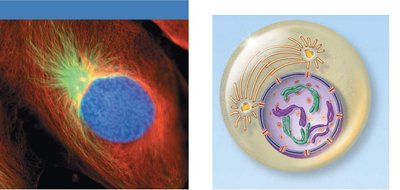
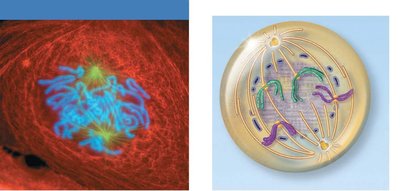
During prophase, chromosomes become visible, centrosomes move to opposite poles, and the mitotic spindle forms. The nuclear envelope fragments, and spindle fibers attach to chromosomes.
Metaphase
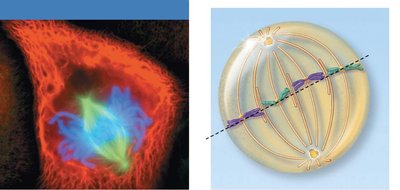
In metaphase, chromosomes align at the cell's equator, forming the metaphase plate.
Anaphase
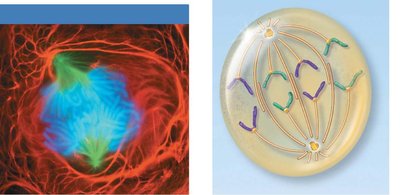
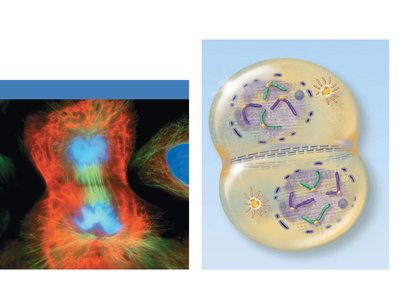
Anaphase is the shortest phase, where centromeres split and sister chromatids (now chromosomes) are pulled toward opposite poles.
Telophase and Cytokinesis
During telophase, chromosomes uncoil into chromatin, nuclear envelopes reform, and nucleoli reappear. Cytokinesis begins in late anaphase, with a contractile ring forming a cleavage furrow, dividing the cell into two.
Control of Cell Division
Cell division is tightly regulated by internal and external signals:
Stop signals: Contact inhibition and growth-inhibiting factors from repressor genes.
Protein Synthesis
Genetic Information Flow
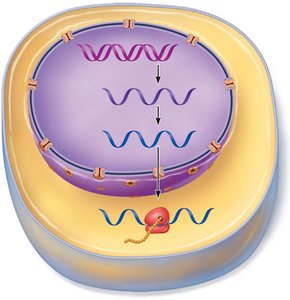
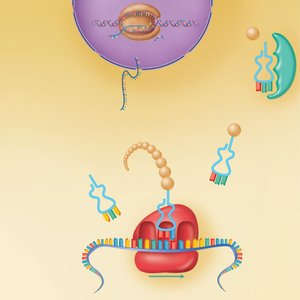
Protein synthesis is the process by which cells build proteins based on genetic instructions. DNA serves as the master blueprint, with genes coding for specific polypeptides. The process involves transcription and translation.
Triplets: Groups of three nucleotide bases in DNA that code for amino acids.
Types of RNA
Messenger RNA (mRNA): Carries genetic instructions from DNA to ribosomes.
Ribosomal RNA (rRNA): Structural component of ribosomes, aiding in translation.
Transfer RNA (tRNA): Brings amino acids to the ribosome and matches them to the mRNA codon.
Transcription
Transcription is the synthesis of mRNA from a DNA template. Transcription factors help RNA polymerase bind to the promoter region, initiating mRNA synthesis.
Translation and the Genetic Code
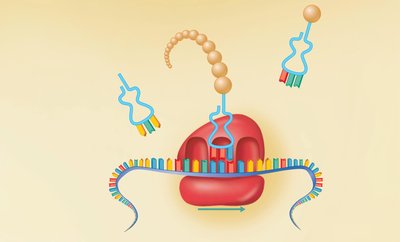
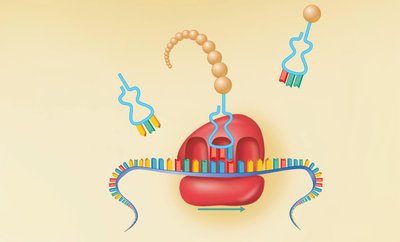
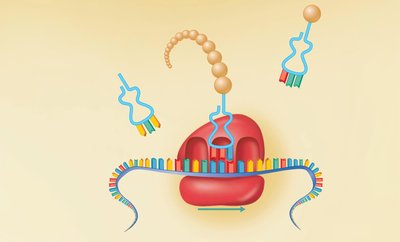
Translation converts the nucleotide sequence of mRNA into an amino acid sequence, forming a protein. Each three-base codon on mRNA corresponds to a specific amino acid.
Codon: A three-base sequence on mRNA that specifies an amino acid.
Anticodon: A complementary three-base sequence on tRNA.
Steps of Translation
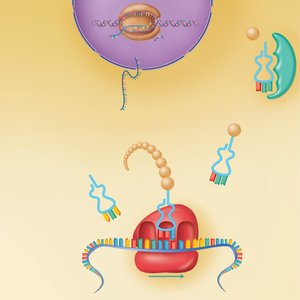
Translation occurs in the cytoplasm and involves the following steps:
mRNA binds to a small ribosomal subunit.
The large ribosomal subunit joins, forming a functional ribosome.
tRNA brings amino acids to the ribosome, matching codons with anticodons.
Amino acids are joined to form a polypeptide chain until a stop codon is reached.
Role of Rough Endoplasmic Reticulum (ER) in Protein Synthesis
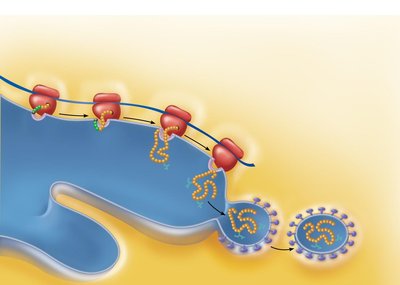
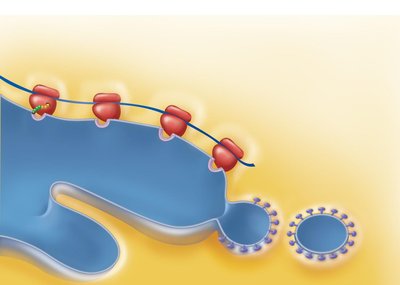
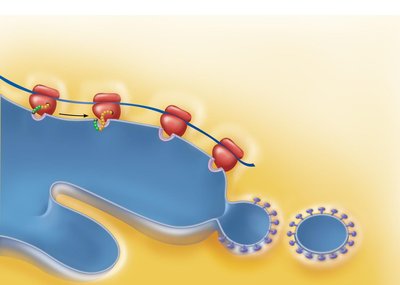
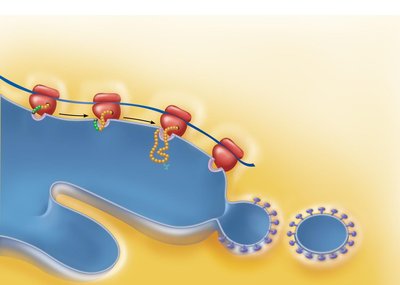
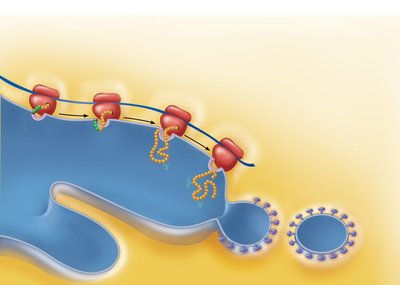
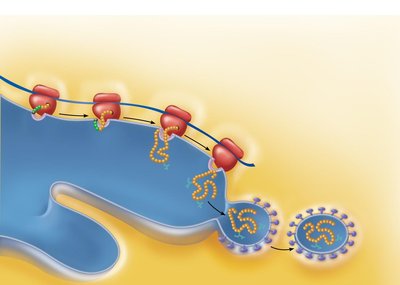
Proteins destined for secretion or membrane insertion are synthesized on ribosomes bound to the rough ER. The mRNA–ribosome complex is directed to the ER by a signal-recognition particle (SRP), and the growing polypeptide enters the ER for further processing and transport to the Golgi apparatus.
Developmental Aspects and Aging of Cells
Cell Differentiation
Although all cells contain the same DNA, they differentiate into various types due to chemical signals that activate or deactivate specific genes. This process is called cell differentiation.
Cell Death and Aging
Apoptosis: Programmed cell death, removing excess, damaged, or aged cells.
Theories of Aging: Include wear and tear, immune system decline, and genetic programming (e.g., telomere shortening).
Summary Table: Key Events in the Cell Cycle and Protein Synthesis
Process | Main Events | Key Molecules/Structures |
|---|---|---|
Interphase | Growth, DNA replication, preparation for division | Chromatin, centrosomes |
Mitosis | Prophase, metaphase, anaphase, telophase | Chromosomes, spindle fibers |
Cytokinesis | Division of cytoplasm | Actin microfilaments |
Protein Synthesis | Transcription, translation | DNA, mRNA, tRNA, rRNA, ribosomes |
