 Back
Cell Structure, Membrane Transport, and Cell Cycle: ANP College Study Notes
Study Guide - Smart Notes
 Tailored notes based on your materials, expanded with key definitions, examples, and context.
Cell Theory and Cell Structure
Cell Theory
The cell theory is a fundamental concept in biology that describes the properties of cells. It forms the basis for understanding the structure and function of all living organisms.
All living things are made of one or more cells: Every organism, from bacteria to humans, is composed of cells.
The cell is the basic unit of structure and function in living organisms: Cells carry out all essential life processes.
All cells come from preexisting cells: New cells are produced by the division of existing cells.
Cell Organelles and Their Functions
Cells contain specialized structures called organelles, each with distinct functions necessary for cell survival and activity.
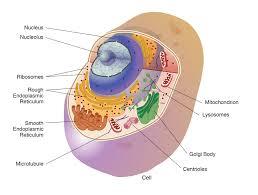
Nucleus: Control center of the cell; contains DNA and directs cell activities.
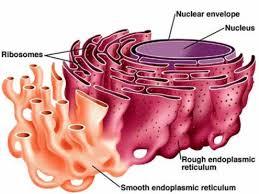
Endoplasmic Reticulum (ER): Passageway inside the cell that helps transport materials.
Rough ER: Makes proteins.
Smooth ER: Makes lipids and detoxifies substances.
Ribosome: Site of protein synthesis; makes proteins for the cell.
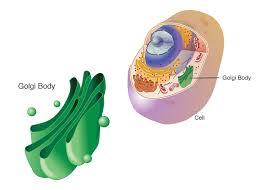
Golgi Complex: Modifies, packages, and ships proteins and other materials out of the cell.
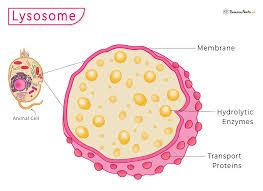
Lysosome: Contains digestive enzymes that break down waste, bacteria, and worn-out cell parts.
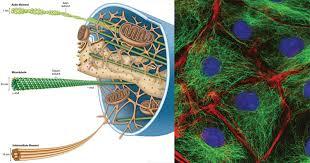
Cytoskeleton: Gives the cell shape, support, and helps movement of the cell and organelles.
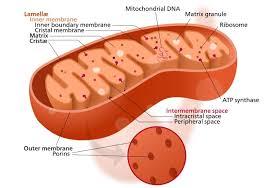
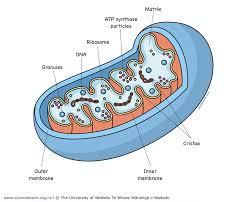
Mitochondria: Produces energy (ATP) through cellular respiration; known as the “powerhouse of the cell.”
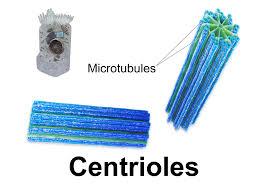
Centrioles: Help organize spindle fibers during cell division.
Chromatin: Loose form of DNA in the nucleus that contains genetic information.
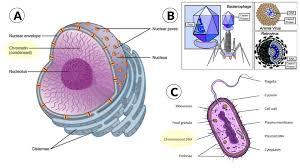
Cell Membrane Structure and Function
Components of the Cell Membrane
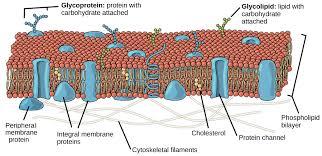
The cell membrane, also known as the plasma membrane, is a selectively permeable barrier that surrounds the cell. It is composed of several key components:
Phospholipids: Form the basic structure of the cell membrane called the phospholipid bilayer. They separate the inside of the cell from the outside environment and allow selective passage of substances.
Cholesterol: Maintains membrane flexibility and stability, preventing it from becoming too stiff or too fluid.
Transport Proteins: Move substances across the membrane, such as glucose, ions, and water.
Receptor Proteins: Receive chemical signals from outside the cell, enabling communication and response to hormones or other signals.
Cell Junctions
Types of Cell Junctions
Cell junctions are specialized structures that connect cells to one another, providing structural integrity and communication.
Tight Junctions: Cells are tightly packed together, preventing substances from leaking between cells. Common in the lining of the stomach and intestines.
Desmosomes: Strong “button-like” attachments that hold cells together and provide strength. Found in tissues that experience stress, like skin and heart muscle.
Gap Junctions: Small channels that connect neighboring cells, allowing ions and small molecules to pass directly between cells for rapid communication.
Membrane Transport
Passive Transport: Simple and Facilitated Diffusion
Passive transport allows substances to move across the cell membrane without energy input.
Simple Diffusion: Molecules move directly through the membrane from high concentration to low concentration. No transport proteins required. Example: Oxygen moving into a cell.
Facilitated Diffusion: Molecules move from high concentration to low concentration with the help of transport proteins. Used for substances that cannot pass through the membrane easily. Example: Glucose entering a cell.
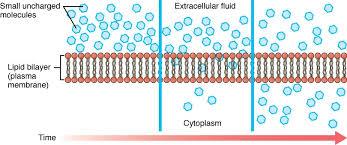
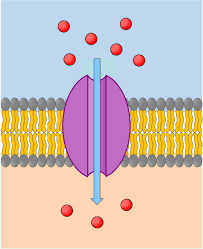
Active Transport
Active transport moves substances against their concentration gradient and requires energy (ATP).
Requires energy (ATP): Materials move from low concentration to high concentration.
Uses transport proteins called pumps: Example: sodium-potassium pump in nerve cells.
Osmosis and Tonicity
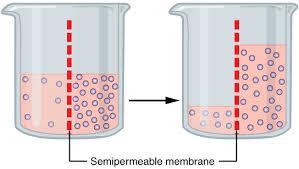
Osmosis is the diffusion of water across a selectively permeable membrane. The environment around the cell affects water movement and cell size.
Isotonic: Equal concentration of solutes inside and outside the cell. Water moves in and out equally; cell stays the same size.
Hypotonic: Solution outside the cell has less solute and more water. Water moves into the cell, causing it to swell.
Hypertonic: Solution outside the cell has more solute and less water. Water moves out of the cell, causing it to shrink.
Vesicular Transport
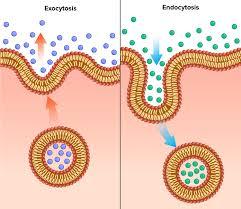
Vesicular transport involves moving materials in and out of cells using vesicles.
Endocytosis: Cell takes materials into the cell by forming vesicles around them.
Exocytosis: Cell releases materials outside the cell when vesicles fuse with the membrane.
Pinocytosis: “Cell drinking.” Cell takes in small amounts of liquid and dissolved substances.
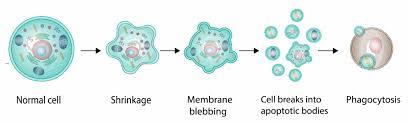
Phagocytosis: “Cell eating.” Cell engulfs large particles such as bacteria or debris.
Cell Cycle and Mitosis
Phases of the Cell Cycle
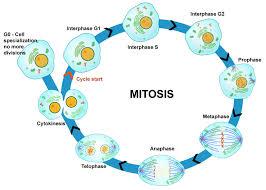
The cell cycle is the series of events that cells go through as they grow and divide.
G1 Phase: Cell grows, carries out normal functions, and makes proteins and organelles.
S Phase: DNA is replicated so each new cell will have a complete set of chromosomes.
G2 Phase: Cell continues to grow and prepares for mitosis by making needed proteins and organelles.
Interphase: Includes G1, S, and G2 phases.
Phases of Mitosis
Mitosis is the process by which a cell divides its nucleus and genetic material.
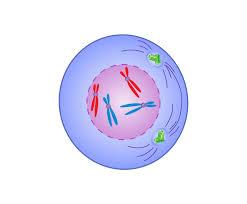
Prophase: Chromosomes condense, spindle fibers form.
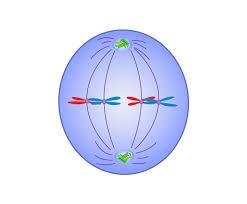
Metaphase: Chromosomes align in the center of the cell.
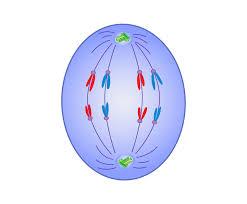
Anaphase: Chromosomes are pulled apart to opposite sides.
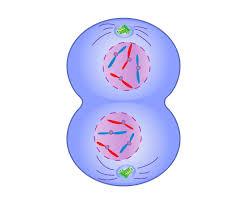
Telophase: Nuclear envelope reforms around chromosomes.
Cytokinesis: Cytoplasm divides, forming two daughter cells.
Apoptosis and Cell Aging
Apoptosis
Apoptosis is programmed cell death. It is a controlled process that removes damaged, infected, or unnecessary cells.
During development: Removes webbing between fingers and toes in a fetus.
Prevents cancer: Destroys cells that are damaged or mutated.
Removes old cells: Eliminates cells the body no longer needs.
Protects against infection: Removes cells infected by viruses.
Vocabulary and Examples
Term | Definition | Example |
|---|---|---|
Plasma membrane | Cell boundary; selectively permeable | A gated community |
Channel | Protein that allows ions to move in and out | Gateway |
Diffusion | Movement of molecules from high to low concentration | Oxygen enters the cell by diffusion |
Osmosis | Diffusion of water across a membrane | Water moves through the membrane |
Facilitated diffusion | Transport of substances via protein channels | Glucose entering a cell |
Exocytosis | Release of substances from the cell | Hormone secretion |
Mitosis | Cell division | Skin cells dividing to repair |
Apoptosis | Programmed cell death | Removal of damaged cells |
Summary Table: Cell Organelles and Functions
Organelle | Function |
|---|---|
Nucleus | Control center; contains DNA |
Endoplasmic Reticulum | Transport materials; rough ER makes proteins, smooth ER makes lipids |
Ribosome | Protein synthesis |
Golgi Complex | Modifies, packages, ships proteins |
Lysosome | Digestive enzymes; breaks down waste |
Cytoskeleton | Shape, support, movement |
Mitochondria | Produces ATP |
Centrioles | Organize spindle fibers |
Chromatin | Loose DNA; genetic information |
Equations and Formulas
Osmosis and Diffusion
Osmosis and diffusion are governed by concentration gradients:
Diffusion rate:
Osmosis:
Active Transport
ATP usage:
Additional info:
Cell aging theories were not fully listed in the provided material. Common theories include genetic theory, wear-and-tear theory, free radical theory, and telomere shortening theory.
