 Back
BackCellular Level of Organization and the Hierarchy of Life
Study Guide - Smart Notes
 Tailored notes based on your materials, expanded with key definitions, examples, and context.
Levels of Organization in the Human Body
Overview of Biological Organization
The human body is organized into a hierarchy of structural levels, each more complex than the one below. Understanding these levels is fundamental to anatomy and physiology, as each level contributes to the overall function and health of the organism.
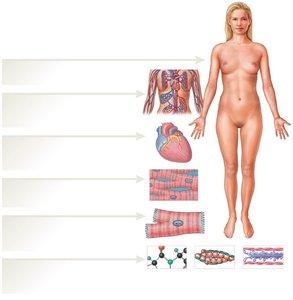
Chemical Level: Atoms combine to form molecules, whose properties are determined by their unique three-dimensional shapes and atomic components.
Cellular Level: Cells are the smallest living units, with specialized organelles performing distinct functions.
Tissue Level: Groups of similar cells work together to perform specific functions.
Organ Level: Two or more tissues combine to form organs with specialized tasks.
Organ System Level: Organs interact to form organ systems, each with a major physiological role.
Organism Level: The highest level, where all organ systems function together to sustain life.
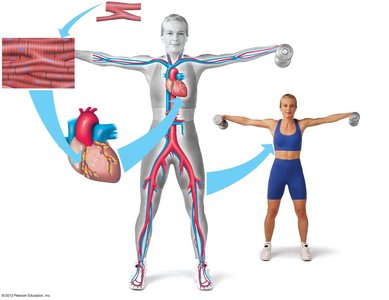
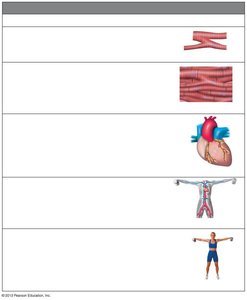
Table: Hierarchical Organization of the Human Body
Level | Description | Example |
|---|---|---|
Cell | The basic unit of all living organisms | Muscle cell |
Tissue | A collection of similar cells performing a specific function | Cardiac muscle |
Organ | Multiple tissues forming a structure that performs a specific function | Heart |
Organ System | A team of organs that work together | Circulatory system |
Organism | A living being, which depends on the coordination of all structural levels for homeostasis and survival | Person |
Visualizing the Hierarchy
The following diagram illustrates the relationship between the different levels of organization, from molecules to the entire organism.
Distinguishing Anatomy and Physiology
Definitions
Anatomy: The study of the structure of an organism’s parts.
Physiology: The study of the function of those parts.
Form fits function: The structure of a biological component is closely related to its function.
Cellular Level of Organization
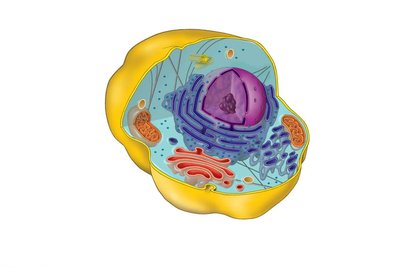
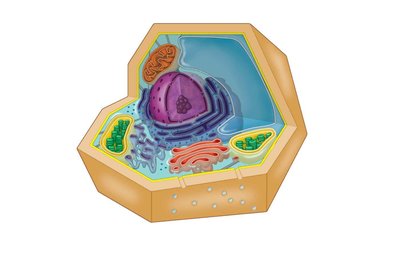
Prokaryotic vs. Eukaryotic Cells
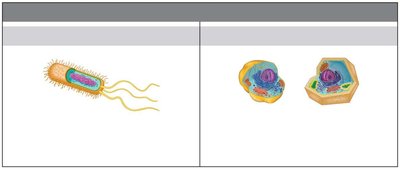
Cells are classified into two main categories based on their structural characteristics:
Prokaryotic Cells | Eukaryotic Cells |
|---|---|
Smaller, simpler, lack membrane-bound organelles, no true nucleus, found in bacteria and archaea | Larger, more complex, have membrane-bound organelles including a true nucleus, found in protists, plants, fungi, and animals |
Basic Features of All Cells
Bounded by a thin plasma membrane
Contain cytosol, a jelly-like fluid where cellular components are suspended
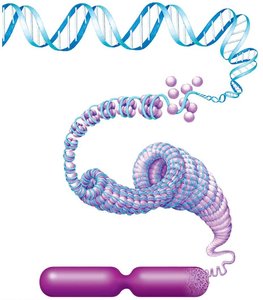
Have one or more chromosomes carrying genes made of DNA
Contain ribosomes for protein synthesis
Cell Membranes and Surfaces
Plasma Membrane Structure
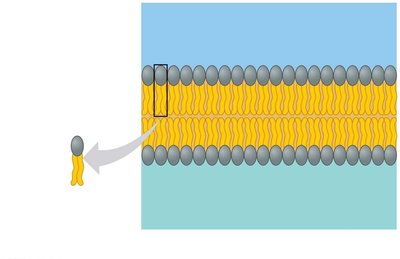
The plasma membrane separates the living cell from its environment and is primarily composed of a phospholipid bilayer. Each phospholipid has a hydrophilic (water-attracting) head and two hydrophobic (water-repelling) tails.
Cell Walls and Extracellular Matrix
Plant cells have a cell wall made of cellulose, providing protection, shape, and preventing excessive water uptake.
Animal cells lack cell walls but secrete an extracellular matrix for support and adhesion.
Genetic Material and Protein Synthesis
The Nucleus
The nucleus is the control center of the cell, separated from the cytoplasm by a double membrane called the nuclear envelope. Nuclear pores allow selective exchange of materials.
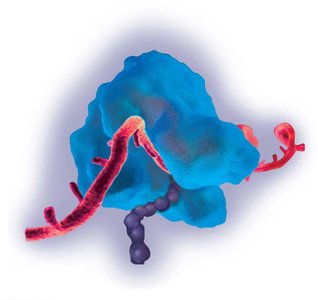
Ribosomes
Ribosomes are responsible for protein synthesis. In eukaryotic cells, ribosomal components are made in the nucleus and assembled in the cytoplasm.
Endomembrane System
Components and Functions
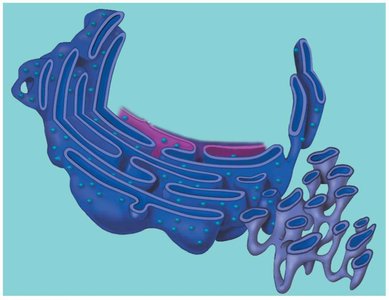
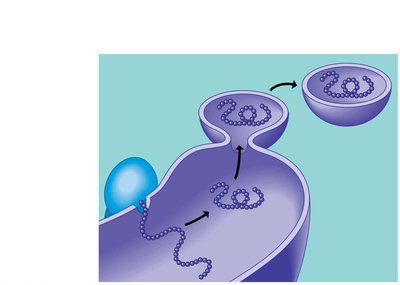
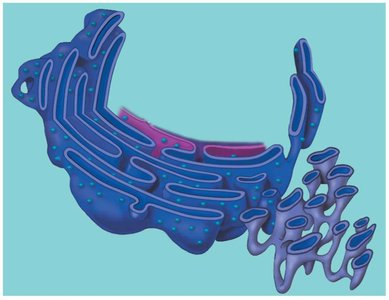
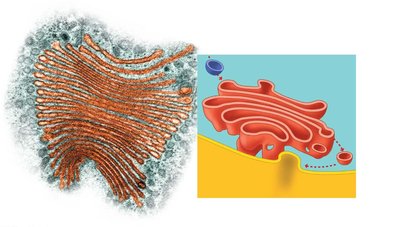
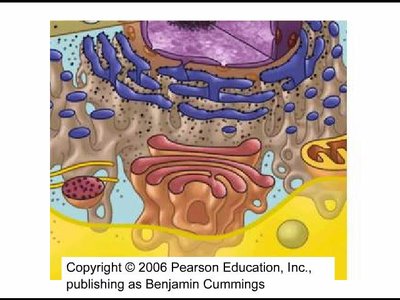
The endomembrane system includes the nuclear envelope, endoplasmic reticulum (ER), Golgi apparatus, lysosomes, and vacuoles. It is responsible for the synthesis, modification, and transport of cellular materials.
Rough ER: Studded with ribosomes; synthesizes proteins and membranes.
Smooth ER: Lacks ribosomes; synthesizes lipids and detoxifies chemicals.
Golgi Apparatus: Modifies, sorts, and packages proteins and lipids for storage or transport.
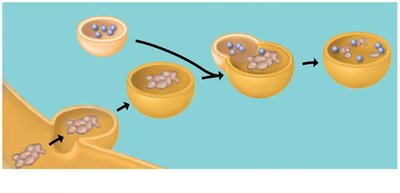
Lysosomes: Contain digestive enzymes to break down macromolecules and cellular debris.
Energy Transformation Organelles
Chloroplasts and Mitochondria
Cells convert energy from the environment into usable forms through specialized organelles:
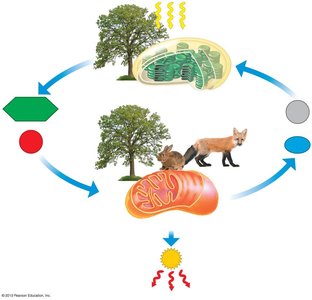
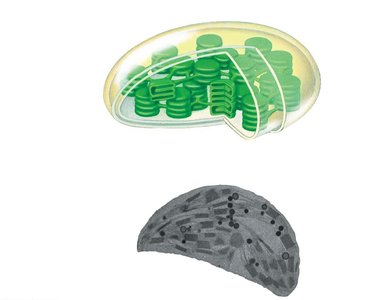
Chloroplasts: Found in plants and algae; perform photosynthesis, converting light energy into chemical energy (glucose).
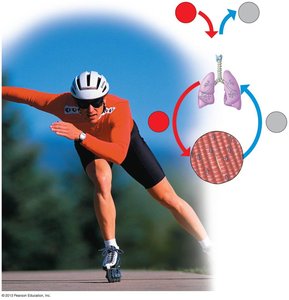
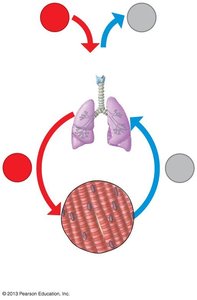
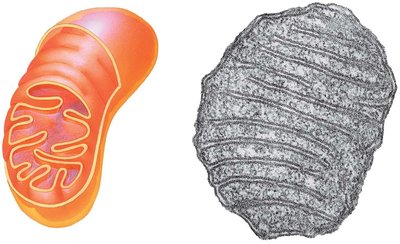
Mitochondria: Found in almost all eukaryotic cells; perform cellular respiration, converting glucose into ATP, the cell’s main energy currency.
The Cytoskeleton and Cell Movement
Cytoskeleton
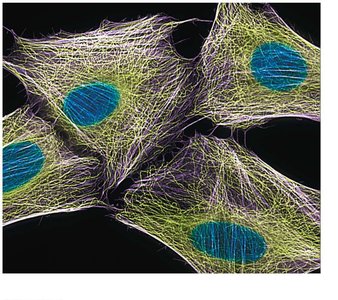
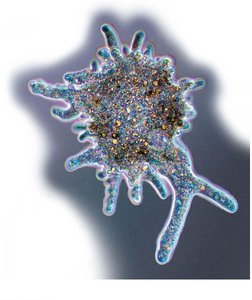
The cytoskeleton is a network of protein fibers that provides structural support, maintains cell shape, and enables movement. Microtubules are a key component, forming hollow tubes that serve as tracks for organelle movement.
Cilia and Flagella
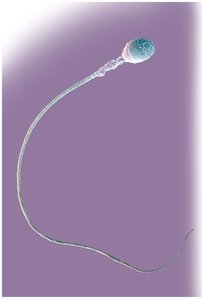
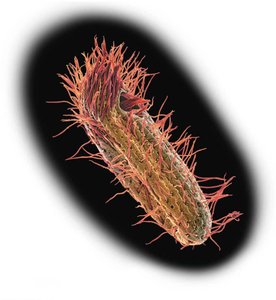
Some eukaryotic cells possess cilia and flagella, which are extensions of the cytoskeleton used for movement. Flagella move in a whip-like motion, while cilia beat in a coordinated back-and-forth pattern.
Summary Table: Main Organelles and Their Functions
Organelle | Main Function |
|---|---|
Nucleus | Stores genetic material, controls cell activities |
Ribosome | Protein synthesis |
Endoplasmic Reticulum (Rough) | Protein and membrane synthesis |
Endoplasmic Reticulum (Smooth) | Lipid synthesis, detoxification |
Golgi Apparatus | Modification, sorting, and packaging of proteins and lipids |
Lysosome | Digestion of macromolecules and cellular debris |
Chloroplast | Photosynthesis (plants and algae only) |
Mitochondrion | ATP production via cellular respiration |
Cytoskeleton | Structural support, movement |
Additional info: This guide integrates foundational concepts from Chapters 2–4 (chemical, cellular, and tissue levels of organization) and provides context for later chapters on organ systems and physiological processes.
