 Back
Chapter 1: The Human Body – An Orientation (Mini-Textbook Study Notes)
Study Guide - Smart Notes
 Tailored notes based on your materials, expanded with key definitions, examples, and context.
The Human Body: An Orientation
Introduction to Anatomy and Physiology
Anatomy and Physiology (A&P) is the scientific study of the structure and function of the human body. Understanding A&P is foundational for all health and life sciences, as it explains how the body is built and how it works to sustain life.
Anatomy: The study of body structure, including the physical relationships among body parts.
Physiology: The study of body function, focusing on how the body parts work and carry out their life-sustaining activities.
Subdivisions of Anatomy:
Gross (Macroscopic) Anatomy: Study of large body structures visible to the naked eye (e.g., regional, systemic, surface anatomy).
Microscopic Anatomy: Study of structures too small to be seen with the naked eye (e.g., cytology, histology).
Developmental Anatomy: Study of structural changes throughout the lifespan (e.g., embryology).
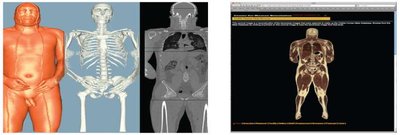
Methods of Studying Anatomy and Physiology
Observation: Visual examination of body structures.
Manipulation: Moving body parts to study their relationships.
Palpation: Feeling organs with hands.
Auscultation: Listening to body sounds (e.g., heart, lungs).
Physiology requires understanding physical and chemical principles, such as electrical currents, pressure, and molecular interactions.
Major Concepts in Anatomy & Physiology
Complementarity of Structure and Function
Structure and function are closely related: what a structure can do depends on its specific form. This principle is fundamental in biology and medicine.
Example: Bones can support and protect body organs because they contain hard mineral deposits.
When structure changes, function is also altered.
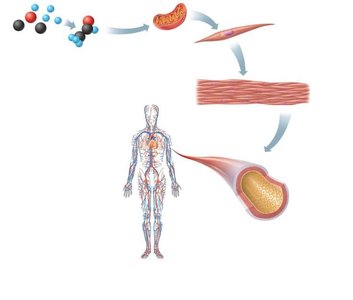
Levels of Structural Organization
The human body is organized into a hierarchy of structural levels, each building on the previous one:
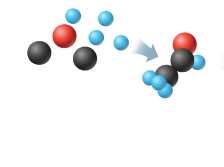
Chemical Level: Atoms combine to form molecules.
Cellular Level: Cells are made up of molecules.
Tissue Level: Tissues consist of similar types of cells.
Organ Level: Organs are made up of different types of tissues.
Organ System Level: Organ systems consist of different organs that work together closely.
Organismal Level: The human organism is made up of many organ systems.
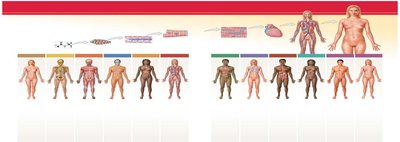
The Organ Systems of the Human Body
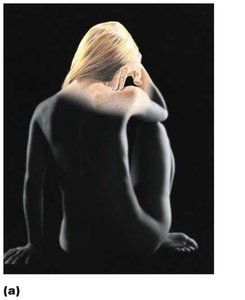
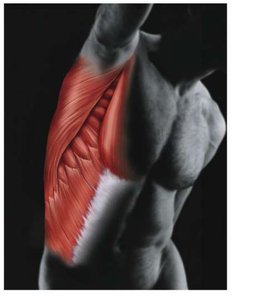
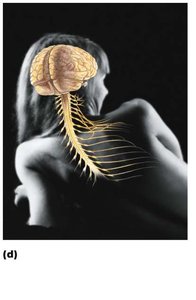
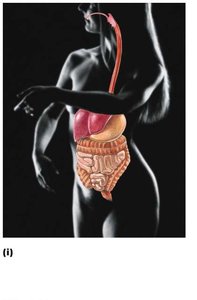
The body is composed of 11 major organ systems, each with specific functions essential for life. These systems work together to maintain homeostasis and overall health.
Organ System | Major Organs | Main Functions |
|---|---|---|
Integumentary | Skin, hair, nails, sweat glands | Protection, temperature regulation, sensory reception |
Skeletal | Bones, cartilages, ligaments, bone marrow | Support, protection, blood cell formation, mineral storage |
Muscular | Skeletal muscles, tendons | Movement, posture, heat production |
Nervous | Brain, spinal cord, nerves, sense organs | Immediate control, coordination, sensory input |
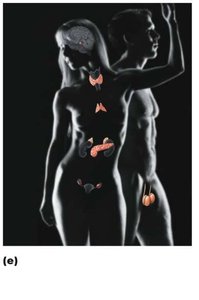
Endocrine | Pituitary, thyroid, pancreas, adrenal glands, gonads | Hormone production, long-term regulation |
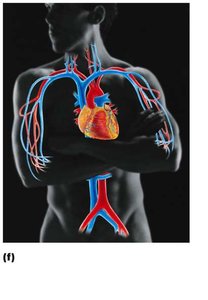
Cardiovascular | Heart, blood, blood vessels | Transport of nutrients, gases, wastes; temperature regulation |
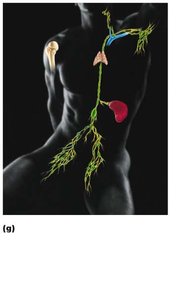
Lymphatic | Spleen, thymus, lymph nodes, tonsils | Immunity, fluid balance |
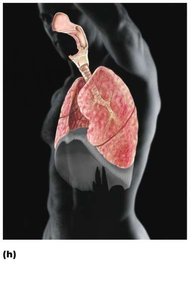
Respiratory | Nasal cavities, lungs, trachea, bronchi | Gas exchange, sound production |
Digestive | Mouth, esophagus, stomach, intestines, liver, pancreas | Digestion, absorption, waste elimination |
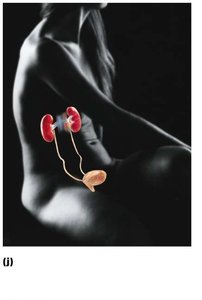
Urinary | Kidneys, ureters, bladder, urethra | Waste elimination, water and electrolyte balance |
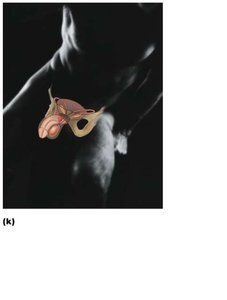
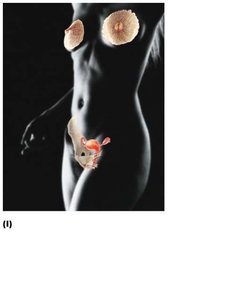
Reproductive | Testes, ovaries, uterus, penis, vagina, mammary glands | Production of offspring |
Necessary Life Functions
To be considered alive, an organism must perform certain vital functions:
Maintaining Boundaries: Separation between internal and external environments (e.g., skin, plasma membranes).
Movement: Of body parts (skeletal muscle) and substances (cardiac and smooth muscle).
Responsiveness: Ability to sense and respond to stimuli (e.g., withdrawal reflex, breathing rate).
Digestion: Breakdown of food and absorption of nutrients.
Metabolism: All chemical reactions in the body, including catabolism (breaking down) and anabolism (building up).
Excretion: Removal of wastes (e.g., urea, carbon dioxide, feces).
Reproduction: Cellular division for growth/repair and production of offspring.
Growth: Increase in size of a body part or organism.
Survival Needs
Humans require certain factors in appropriate amounts for survival:
Nutrients: Carbohydrates, fats, proteins, vitamins, minerals for energy and cell building.
Oxygen: Essential for ATP (energy) production.
Water: Most abundant chemical in the body; solvent for reactions.
Normal Body Temperature: 37°C; necessary for proper metabolic reactions.
Appropriate Atmospheric Pressure: Required for effective breathing and gas exchange.
Homeostasis: Maintaining Internal Balance
Definition and Importance
Homeostasis is the maintenance of relatively stable internal conditions despite continuous changes in the environment. It is a dynamic state of equilibrium, essential for survival and health.
All organ systems contribute to homeostasis.
Disruption of homeostasis increases risk of disease and contributes to aging.
Homeostatic Control Mechanisms
Homeostatic regulation involves continuous monitoring and regulation of variables by the nervous and endocrine systems. Communication is essential for coordination.
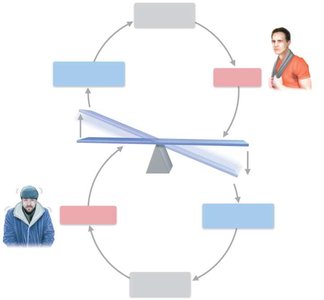
Stimulus: Produces change in variable.
Receptor: Detects change and sends information to the control center.
Control Center: Determines set point, analyzes input, and determines response.
Effector: Carries out the response to restore balance.
Negative Feedback
Negative feedback mechanisms reduce or shut off the original stimulus, maintaining variables within a normal range. Most homeostatic control mechanisms in the body are negative feedback.
Example: Regulation of body temperature by the hypothalamus.
Example: Regulation of blood volume by antidiuretic hormone (ADH).
Positive Feedback
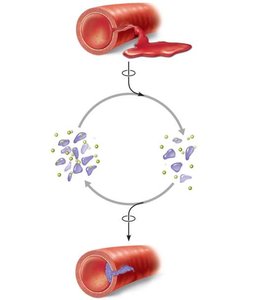
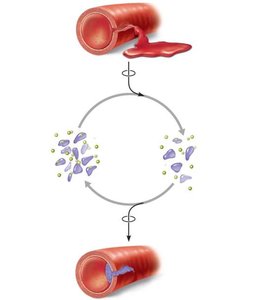
Positive feedback mechanisms enhance or amplify the original stimulus. They are less common and usually control infrequent events that do not require continuous adjustment.
Example: Enhancement of labor contractions by oxytocin.
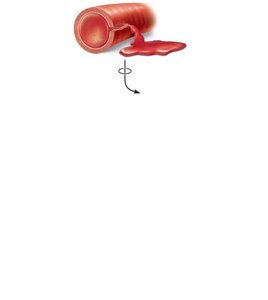
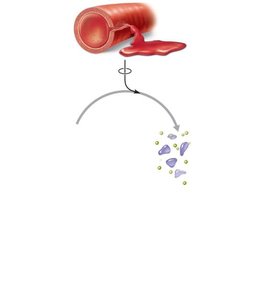
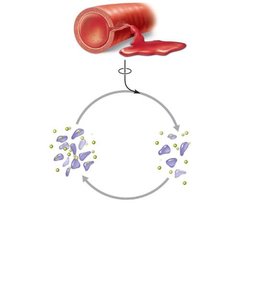
Example: Platelet plug formation and blood clotting.
Interdependence of Body Systems
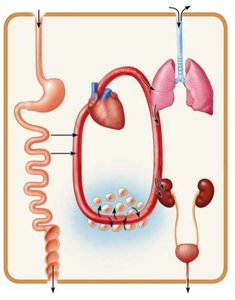
All cells depend on organ systems to meet their survival needs, and all organ systems depend on cell functions. Organ systems cooperate to maintain life and homeostasis.
Roles of Organ Systems in Homeostatic Regulation
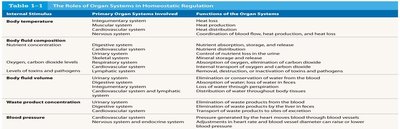
Each organ system contributes to the regulation of the body's internal environment. The table below summarizes the primary organ systems involved in regulating key internal stimuli and their functions.
Internal Stimulus | Primary Organ Systems Involved | Functions of the Organ Systems |
|---|---|---|
Body temperature | Integumentary, muscular, cardiovascular, nervous | Heat loss, heat production, heat distribution, coordination of heat loss and production |
Body fluid composition | Digestive, cardiovascular, urinary, skeletal, respiratory | Nutrient absorption, oxygen and carbon dioxide levels, mineral storage, waste removal |
Waste product concentration | Urinary, cardiovascular, digestive, respiratory | Excretion of waste products, elimination of carbon dioxide |
Blood pressure | Cardiovascular, endocrine | Heart and blood vessel function, hormone regulation |
Homeostatic Imbalance
Disturbance of homeostasis increases the risk of disease and contributes to aging. If negative feedback mechanisms are overwhelmed, destructive positive feedback mechanisms may take over, leading to conditions such as heart failure.
Additional info: Homeostasis is a central concept in physiology and is discussed throughout all chapters of anatomy and physiology. Understanding feedback mechanisms is essential for interpreting how the body responds to internal and external changes.
