 Back
Chapter 1: The Human Body—An Orientation (ANP College Study Notes)
Study Guide - Smart Notes
 Tailored notes based on your materials, expanded with key definitions, examples, and context.
Form & Function of Anatomy & Physiology
Definition and Principle of Complementarity
Anatomy is the study of the structure of body parts and their relationships to one another, while physiology is the study of the function of body parts—how they work to carry out life-sustaining activities. The principle of complementarity of structure and function states that function always reflects structure; what a structure can do depends on its specific form. Understanding anatomical terminology is essential for accurate communication in health sciences.
Anatomy: Structure and relationships
Physiology: Function and mechanisms
Complementarity: Structure determines function
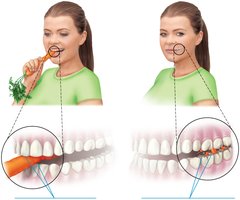
Example: The sharp edges of incisors are ideal for cutting, while the flat surfaces of molars are suited for grinding food.
Topics of Anatomy
Subdivisions of Anatomy
Gross (macroscopic) anatomy: Study of large, visible structures
Regional: All structures in a specific area
Systemic: One system at a time (e.g., cardiovascular)
Surface: Internal structures as related to overlying skin
Microscopic anatomy: Structures too small to see with the naked eye
Cytology: Study of cells
Histology: Study of tissues
Developmental anatomy: Structural changes throughout life
Embryology: Development before birth
Studying anatomy requires knowledge of terminology and the ability to observe, manipulate, palpate, and auscultate.
Topics of Physiology
Subdivisions of Physiology
Based on organ systems (e.g., renal, cardiovascular physiology)
Focuses on cellular and molecular levels
Depends on chemical reactions in cells
Requires understanding of physical and chemical principles (e.g., electrical currents, pressure, movement)
Structural Organization of the Human Body
Levels of Organization
The human body is organized from the smallest chemical level to the whole organism:
Chemical level: Atoms, molecules, organelles
Cellular level: Single cells
Tissue level: Groups of similar cells
Organ level: Two or more types of tissues
Organ system level: Organs working closely together
Organismal level: All organ systems combined
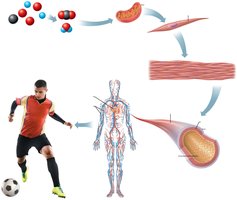
Requirements for Life/Necessary Life Functions
Essential Life Functions
Maintaining boundaries: Separation of internal and external environments (e.g., plasma membranes, skin)
Movement: Muscular system (locomotion, manipulation), skeletal system (framework), cardiac/smooth muscle (movement of substances)
Responsiveness: Ability to sense and respond to stimuli (e.g., reflexes, breathing, heart rate)
Digestion: Breakdown and absorption of food
Metabolism: All chemical reactions in the body
Catabolism: Breakdown of molecules
Anabolism: Synthesis of molecules
Excretion: Removal of wastes (e.g., urea, CO2, feces)
Reproduction: Cellular and organismal levels
Growth: Increase in size of body part or organism
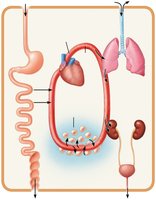
Example: Organ systems interact to maintain the survival of cells, such as the cardiovascular system distributing nutrients and removing wastes.
Major Organ Systems of the Body
Overview of Organ Systems and Their Functions
Integumentary System: Protection, vitamin D synthesis, sensory receptors, sweat/oil glands
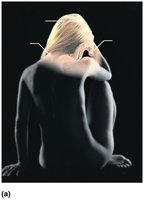
Skeletal System: Support, protection, movement, blood cell formation, mineral storage
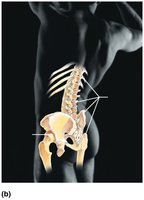
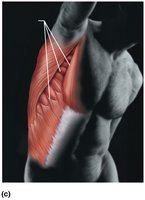
Muscular System: Movement, posture, heat production
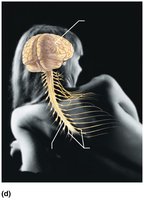
Nervous System: Fast-acting control, response to stimuli
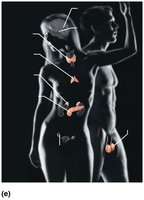
Endocrine System: Hormone secretion, regulation of growth, metabolism, reproduction
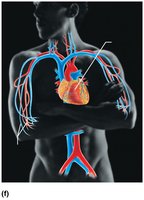
Cardiovascular System: Transport of blood, gases, nutrients, wastes
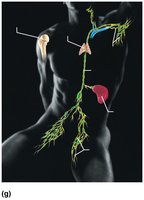
Lymphatic System/Immunity: Fluid return, debris disposal, immune response
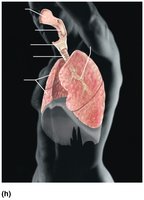
Respiratory System: Gas exchange (O2/CO2)
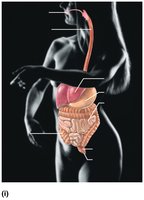
Digestive System: Breakdown and absorption of food, elimination of indigestible matter
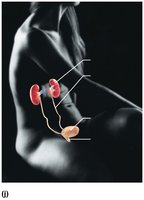
Urinary System: Elimination of nitrogenous wastes, regulation of water, electrolytes, acid-base balance
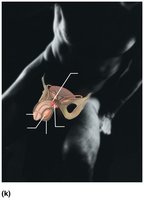
Male Reproductive System: Sperm production, delivery, hormone secretion
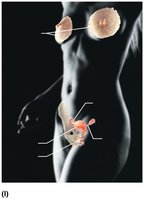
Female Reproductive System: Egg production, fertilization, fetal development, milk production
Survival Needs
Factors Required for Human Survival
Nutrients: Energy and cell building (carbohydrates, proteins, fats, vitamins, minerals)
Oxygen: Essential for energy release from food
Water: Most abundant chemical, solvent for reactions, fluid base for secretions/excretions
Normal body temperature: Necessary for proper metabolic reactions (about 37°C)
Appropriate atmospheric pressure: Required for breathing and gas exchange
Homeostasis
Definition and Mechanisms
Homeostasis is the maintenance of relatively stable internal conditions despite continuous environmental changes. It is a dynamic equilibrium, maintained by all organ systems, especially the nervous and endocrine systems. Variables such as blood sugar, temperature, and blood volume are regulated through homeostatic mechanisms involving three components:
Receptor (sensor): Monitors environment, responds to stimuli
Control center: Determines set point, analyzes input, determines response
Effector: Carries out response, reduces or enhances stimulus
Negative Feedback
Most homeostatic control mechanisms are negative feedback loops, where the response reduces or shuts off the original stimulus, returning the variable to its set point.
Example: Regulation of body temperature and blood glucose
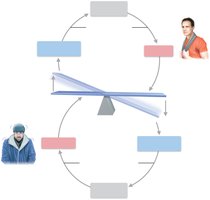
When body temperature rises, sweat glands are activated to cool the body; when it falls, shivering generates heat.
Positive Feedback
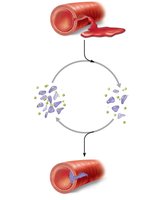
Positive feedback mechanisms enhance or amplify the original stimulus, causing the variable to continue in the same direction. These are less common and usually control infrequent events.
Examples: Labor contractions (oxytocin), platelet plug formation in blood clotting
Homeostatic Imbalance
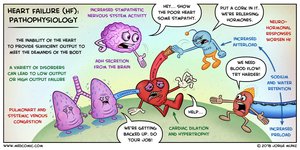
Disturbances in homeostasis increase the risk of disease and contribute to aging. If negative feedback mechanisms are overwhelmed, destructive positive feedback may occur, as in heart failure.
Anatomical Terms
Anatomical Position & Directional Terms
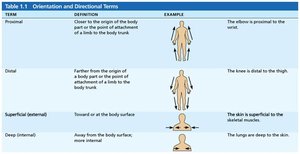
The standard anatomical position is body erect, feet slightly apart, palms facing forward. Directional terms describe the location of one body structure relative to another, always based on the anatomical position.
Term | Definition | Example |
|---|---|---|
Proximal | Closer to the origin of the body part or point of attachment | The elbow is proximal to the wrist. |
Distal | Farther from the origin of a body part or point of attachment | The knee is distal to the thigh. |
Superficial (external) | Toward or at the body surface | The skin is superficial to the skeletal muscles. |
Deep (internal) | Away from the body surface; more internal | The lungs are deep to the skin. |
Regional Terms
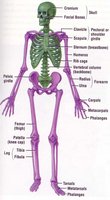
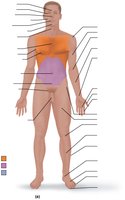
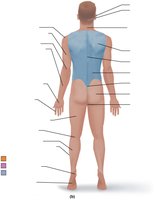
The body is divided into two major regions:
Axial: Head, neck, trunk
Appendicular: Limbs (arms and legs)
Body Planes & Sections
Major Body Planes
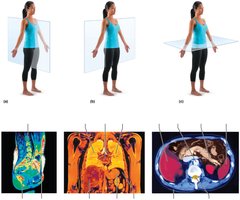
Sagittal plane: Divides body into right and left parts
Midsagittal (median): On the midline
Parasagittal: Off-center
Frontal (coronal) plane: Divides body into anterior and posterior (front and back)
Transverse (horizontal) plane: Divides body into superior and inferior (top and bottom)
Oblique section: Cuts at angles other than 90° to vertical plane
Body Cavities & Membranes
Major Body Cavities
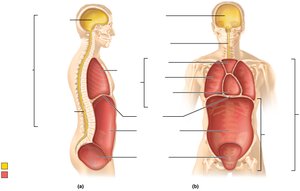
Dorsal body cavity: Protects nervous system
Cranial cavity: Contains brain
Vertebral cavity: Contains spinal cord
Ventral body cavity: Houses internal organs (viscera)
Thoracic cavity: Heart, lungs
Abdominopelvic cavity: Stomach, intestines, spleen, liver, bladder, reproductive organs, rectum
Membranes in the Ventral Body Cavity
Serosa (serous membrane) is a thin, double-layered membrane:
Parietal serosa: Lines cavity walls
Visceral serosa: Covers organs
Layers separated by serous fluid
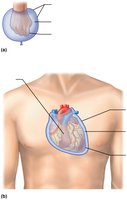
Named for specific organs: Pericardium (heart), Pleurae (lungs), Peritoneum (abdominopelvic cavity).
Clinical Note: Inflammation of serous membranes (pleurisy, peritonitis) can cause pain and organ dysfunction.
Abdominopelvic Quadrants and Regions
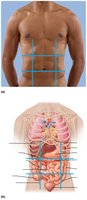
The abdominopelvic cavity is divided for clinical and anatomical reference:
Quadrants (4): Right upper (RUQ), left upper (LUQ), right lower (RLQ), left lower (LLQ)
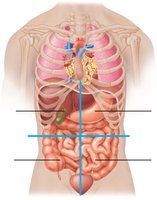
Regions (9): Right/left hypochondriac, epigastric, right/left lumbar, umbilical, right/left iliac (inguinal), hypogastric (pubic)
Other Body Cavities
Oral and digestive cavities
Nasal cavity
Orbital cavities
Middle ear cavities
Synovial cavities: Joint cavities (not exposed to environment)
