 Back
Chapter 1: The Human Body—An Orientation (Mini-Textbook Study Notes)
Study Guide - Smart Notes
 Tailored notes based on your materials, expanded with key definitions, examples, and context.
What is Anatomy and Physiology?
Introduction to Anatomy & Physiology
Anatomy and physiology are closely related fields that study the structure and function of the human body. Understanding both is essential for comprehending how the body operates and responds to changes.
Anatomy: The study of the body's structures, including their forms, arrangements, and relationships.
Physiology: The study of the functions of body parts and how they work to sustain life.
These disciplines are interdependent: structure determines function, and function influences structure.
Example: The heart's anatomy (chambers, valves) enables its function (pumping blood in one direction).
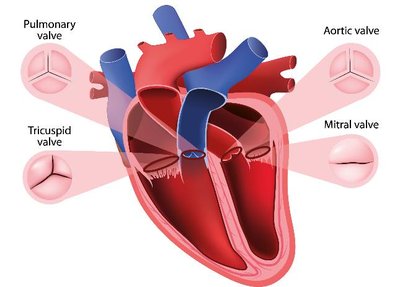
Principle of Complementarity: The function of a body part depends on its structure. To understand why an organ is shaped a certain way, you must understand what it does.
Levels of Organization
Hierarchy of Structural Organization
The human body is organized into a hierarchy of structural levels, each building on the previous one. Changes at one level can affect other levels.
Chemical Level: Atoms and molecules (e.g., DNA, proteins)
Cellular Level: Cells and their organelles
Tissue Level: Groups of similar cells performing a common function
Organ Level: Structures composed of at least two tissue types
Organ System Level: Groups of organs working together
Organismal Level: The whole living person
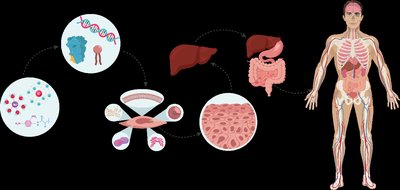
Example: Statins inhibit an enzyme at the molecular level, but their effects are seen at the organ and organismal levels (lower cholesterol, reduced heart attack risk).
Variation in Anatomy and Physiology
Anatomical Variation
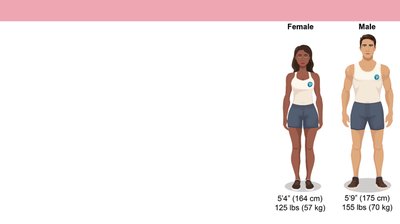
There is significant variation in human anatomy. Textbooks present a 'reference body' for clarity, but real individuals may differ in organ arrangement, size, or structure.
Reference Body: Typically a healthy young adult of average size (female: 5'4", 125 lbs; male: 5'9", 155 lbs).
Variation is common and usually does not affect function, but extreme variation can cause medical issues.
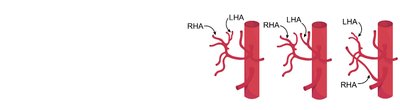
Example: Situs inversus is a condition where organs are mirrored from their normal positions. This is a variation of anatomy, not necessarily physiology, if function is unaffected.
Introduction to Organ Systems
Overview of Organ Systems
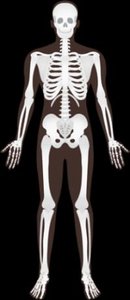
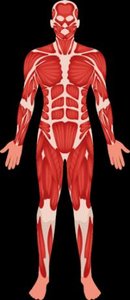
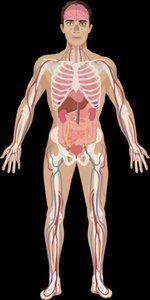
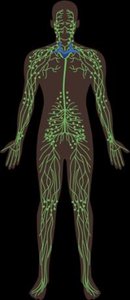
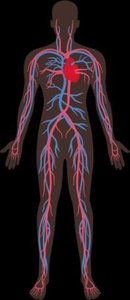
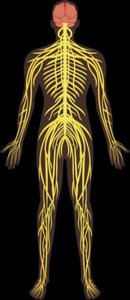
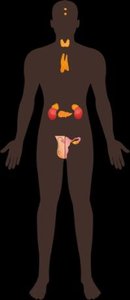
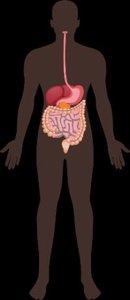
The human body is organized into organ systems, each with specific functions but highly integrated with others. Systems are grouped by function:
Protection, Structure, & Support: Integumentary, Skeletal, Muscular
Communication & Integration: Nervous, Endocrine
Transport & Immunity: Cardiovascular, Lymphatic/Immune
Exchange with Environment: Respiratory, Digestive, Urinary
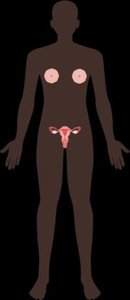
Reproduction: Male and Female Reproductive Systems

Homeostasis
Definition and Importance
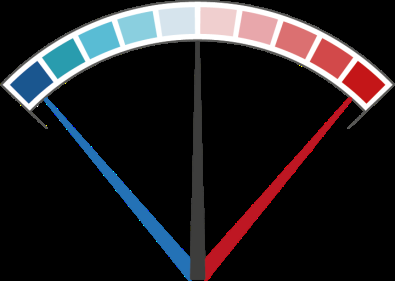
Homeostasis is the maintenance of a stable internal environment despite external changes. Most physiological variables are kept within narrow ranges (set points).
Examples of homeostatic variables: blood pH (7.35–7.45), body temperature (36–37.5°C), blood glucose (70–90 mg/dL fasting).
Failure to maintain homeostasis leads to disease (pathology).
Feedback Loops
Negative and Positive Feedback
Homeostasis is maintained by feedback loops, which detect changes and initiate responses.
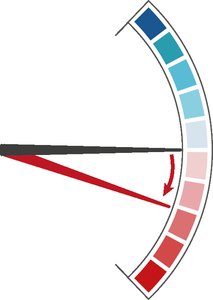
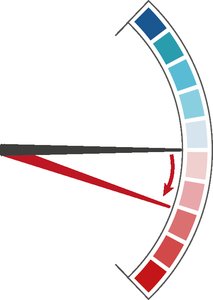
Negative Feedback: The response opposes the original stimulus, returning the variable to its set point. Most homeostatic mechanisms are negative feedback.
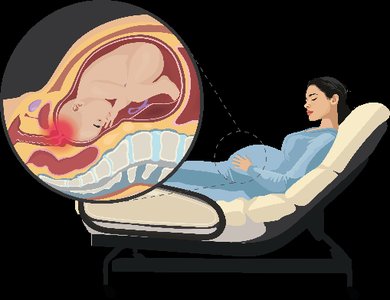
Positive Feedback: The response amplifies the original stimulus, moving the variable further from the set point. Used in rare cases (e.g., blood clotting, labor).


Components of a Negative Feedback Loop
Receptor: Detects the change (stimulus)
Control Center: Processes information and determines response
Effector: Carries out the response to restore homeostasis
Examples of Feedback Loops
Negative Feedback: Body temperature regulation (sweating, shivering), blood glucose regulation (insulin, glucagon)
Positive Feedback: Labor contractions (oxytocin), blood clotting (platelet activation)





Anatomical Position and Directional Terms
Anatomical Position
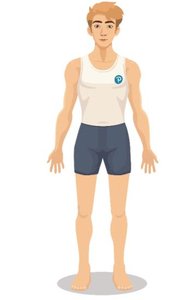
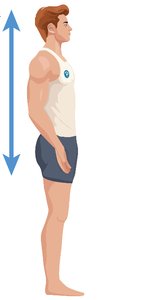
The anatomical position is a standard reference for describing body parts and locations. The body stands upright, facing forward, feet shoulder-width apart, arms at the sides, and palms facing forward. Left and right refer to the subject's left and right.
Directional Terms
Superior (cranial): Toward the head
Inferior (caudal): Toward the feet
Anterior (ventral): Toward the front
Posterior (dorsal): Toward the back
Medial: Toward the midline
Lateral: Away from the midline
Proximal: Closer to the point of attachment (limbs)
Distal: Farther from the point of attachment (limbs)
Superficial: Closer to the surface
Deep: Further from the surface
Ipsilateral: On the same side
Contralateral: On the opposite side
Anatomical Planes and Sections
Body Planes
Anatomical planes are imaginary lines used to divide the body for study or imaging.
Frontal (coronal) plane: Divides body into anterior and posterior parts
Sagittal plane: Divides body into right and left parts (midsagittal = equal halves, parasagittal = unequal)
Transverse (horizontal) plane: Divides body into superior and inferior parts
Oblique plane: Cuts at an angle
Body Cavities and Membranes
Major Body Cavities
Dorsal (posterior) cavity: Contains cranial cavity (brain) and vertebral cavity (spinal cord)
Ventral (anterior) cavity: Contains thoracic cavity (heart, lungs) and abdominopelvic cavity (digestive, urinary, reproductive organs)
Serous Membranes
Serous membranes (serosa) are double-layered membranes that line body cavities and cover organs. They secrete serous fluid for lubrication.
Visceral layer: Covers the organ
Parietal layer: Lines the cavity wall
Serous cavity: Space between layers, filled with serous fluid
Major serous membranes:
Pleura: Surrounds lungs
Pericardium: Surrounds heart
Peritoneum: Surrounds most abdominal organs
Abdominopelvic Quadrants and Regions
Quadrants
The abdomen is divided into four quadrants for clinical reference:
Right Upper Quadrant (RUQ)
Left Upper Quadrant (LUQ)
Right Lower Quadrant (RLQ)
Left Lower Quadrant (LLQ)
Regions
Nine regions provide more precise localization:
Right/Left Hypochondriac
Epigastric
Right/Left Lumbar
Umbilical
Right/Left Inguinal (Iliac)
Hypogastric (Pubic)
Summary Table: Directional Terms
Term | Definition | Example |
|---|---|---|
Superior | Above | The nose is superior to the mouth. |
Inferior | Below | The stomach is inferior to the heart. |
Anterior (Ventral) | Front | The sternum is anterior to the spine. |
Posterior (Dorsal) | Back | The heart is posterior to the sternum. |
Medial | Toward midline | The heart is medial to the lungs. |
Lateral | Away from midline | The arms are lateral to the chest. |
Proximal | Closer to attachment | The elbow is proximal to the wrist. |
Distal | Farther from attachment | The fingers are distal to the elbow. |
Superficial | Closer to surface | The skin is superficial to muscles. |
Deep | Further from surface | The bones are deep to the skin. |
Key Equations and Concepts
Homeostasis Equation (Generalized):
Blood pH:
Body Temperature:
Blood Glucose (fasting):
Additional info: This guide covers the foundational concepts of human anatomy and physiology, including terminology, organization, and the principles of homeostasis and feedback. Mastery of these topics is essential for further study in anatomy and physiology.
