 Back
Chapter 1: The Human Body—An Orientation (Mini-Textbook Study Notes)
Study Guide - Smart Notes
 Tailored notes based on your materials, expanded with key definitions, examples, and context.
Introduction to Human Anatomy and Physiology
Human anatomy and physiology is the study of the structure and function of the human body. Understanding anatomical terminology and physiological principles is essential for effective communication and practice in health sciences.
Anatomy and Physiology: Definitions and Subdivisions
Form and Function
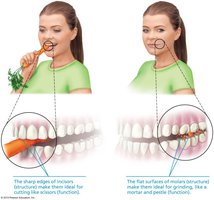
Anatomy is the study of the structure of body parts and their relationships to one another, while physiology is the study of the function of body parts and how they carry out life-sustaining activities. These disciplines are inseparable, as function always reflects structure—a concept known as the principle of complementarity of structure and function.
Subdivisions of Anatomy
Gross (macroscopic) anatomy: Study of large, visible structures.
Regional anatomy: Examines all structures in a specific area of the body.
System anatomy: Focuses on one organ system (e.g., cardiovascular, nervous).
Surface anatomy: Studies internal structures as related to the overlying skin.
Microscopic anatomy: Structures too small to be seen with the naked eye, including:
Cytology: Study of cells.
Histology: Study of tissues.
Developmental anatomy: Study of anatomical and physiological development throughout life, including embryology (development before birth).
Subdivisions of Physiology
Based on organ systems (e.g., renal, cardiovascular physiology).
Often focuses on cellular and molecular levels.
Requires understanding of basic physical (e.g., electrical currents, pressure) and chemical principles.
Levels of Structural Organization
Hierarchy of Organization
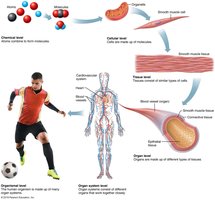
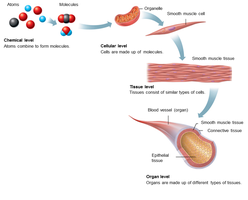
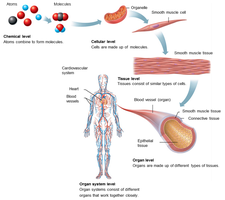
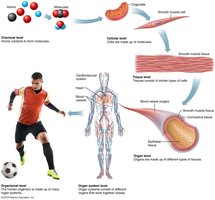
The human body is organized from the smallest chemical level to the entire organism:
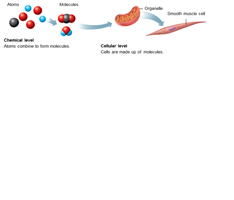
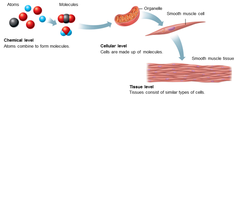
Chemical level: Atoms combine to form molecules.
Cellular level: Cells are made up of molecules.
Tissue level: Tissues consist of similar types of cells.
Organ level: Organs are made up of different types of tissues.
Organ system level: Organ systems consist of different organs that work together closely.
Organismal level: The human organism is made up of many organ systems.
Necessary Life Functions
Basic Functions Required for Life
Maintaining boundaries: Separation between internal and external environments (e.g., plasma membranes, skin).
Movement: Muscular system allows movement of body parts and substances; contractility at the cellular level.
Responsiveness: Ability to sense and respond to stimuli (e.g., withdrawal reflex, breathing rate).
Digestion: Breakdown of ingested food and absorption of nutrients into the blood.
Metabolism: All chemical reactions in body cells, including catabolism (breakdown) and anabolism (synthesis).
Excretion: Removal of wastes (e.g., urea, carbon dioxide, feces).
Reproduction: Cellular division for growth/repair and production of offspring.
Growth: Increase in size of a body part or organism.
Interrelationships Among Organ Systems
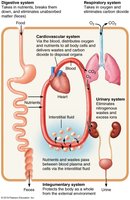
All organ systems work together to maintain life and meet the survival needs of cells.
The Body’s Organ Systems and Their Major Functions
Overview of the 11 Organ Systems
Organ System | Main Functions |
|---|---|
Integumentary | Protects body, synthesizes vitamin D, houses receptors and glands |
Skeletal | Supports and protects organs, provides framework, forms blood cells, stores minerals |
Muscular | Allows movement, maintains posture, produces heat |
Nervous | Fast-acting control system, responds to stimuli |
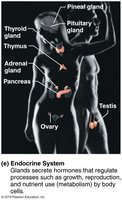
Endocrine | Secretes hormones for regulation of growth, metabolism, reproduction |
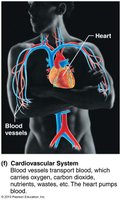
Cardiovascular | Transports blood, nutrients, gases, wastes |
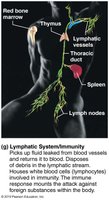
Lymphatic/Immunity | Returns fluid to blood, disposes debris, houses immune cells |
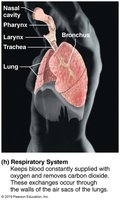
Respiratory | Keeps blood supplied with oxygen, removes carbon dioxide |
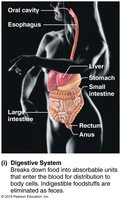
Digestive | Breaks down food, absorbs nutrients, eliminates waste |
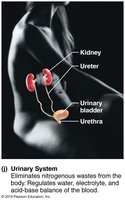
Urinary | Eliminates nitrogenous wastes, regulates water, electrolytes, acid-base balance |
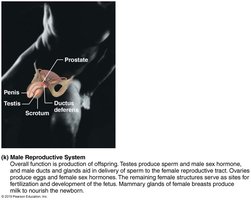
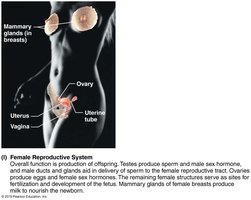
Reproductive | Produces offspring |
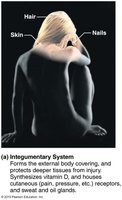
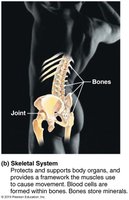
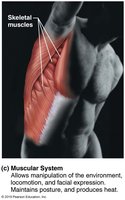
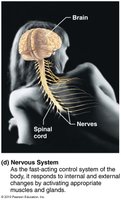
Survival Needs
Essential Factors for Human Survival
Nutrients: Chemicals for energy and cell building (carbohydrates, proteins, fats, vitamins, minerals).
Oxygen: Required for energy release from food; survival without oxygen is limited to a few minutes.
Water: Most abundant chemical in the body; necessary for chemical reactions and as a fluid base.
Normal body temperature: Essential for proper rates of metabolic reactions (optimal at 37°C).
Appropriate atmospheric pressure: Required for adequate breathing and gas exchange in the lungs.
Homeostasis
Definition and Importance
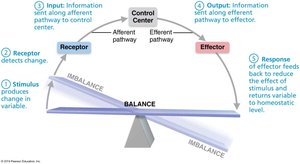
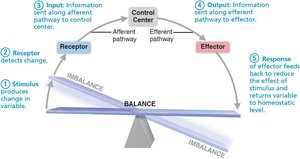
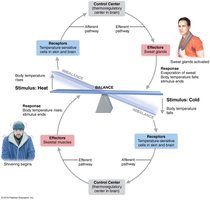
Homeostasis is the maintenance of relatively stable internal conditions despite continuous changes in the environment. It is a dynamic state of equilibrium, maintained by all organ systems.
Homeostatic Control Mechanisms
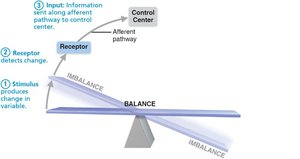
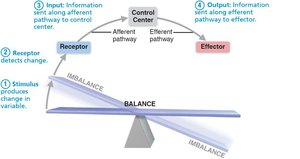
Receptor (sensor): Monitors the environment and responds to stimuli.
Control center: Determines the set point, analyzes input, and determines the response.
Effector: Carries out the response to restore homeostasis.
Negative Feedback Mechanisms
Most homeostatic control mechanisms are negative feedback systems, where the response reduces or shuts off the original stimulus. This keeps variables within a normal range.
Example: Regulation of body temperature and blood glucose levels.
Positive Feedback Mechanisms
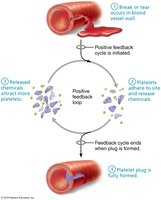
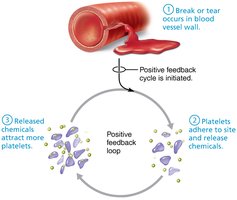
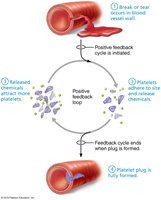
In positive feedback systems, the response enhances or exaggerates the original stimulus. These mechanisms are less common and usually control infrequent events that require a rapid response.
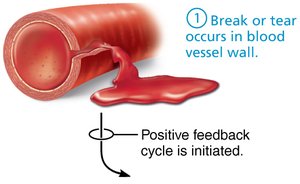
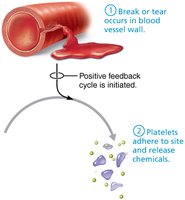
Examples: Enhancement of labor contractions by oxytocin, platelet plug formation in blood clotting.
Homeostatic Imbalance
Disturbances in homeostasis increase the risk of disease and contribute to aging. If negative feedback mechanisms are overwhelmed, destructive positive feedback mechanisms may take over, as seen in conditions like heart failure.
Additional info: Mastery of these foundational concepts is essential for further study in anatomy and physiology, as they underpin all subsequent topics in the discipline.
