 Back
BackChapter 2: Basic Chemistry – Essentials of Human Anatomy & Physiology
Study Guide - Smart Notes
 Tailored notes based on your materials, expanded with key definitions, examples, and context.
Basic Chemistry for Anatomy & Physiology
Matter and Energy
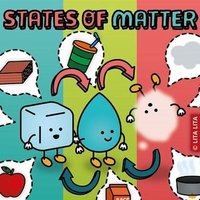
Chemistry is fundamental to understanding the structure and function of the human body. Matter is anything that occupies space and has mass, and it exists in three primary states: solid, liquid, and gas. Energy is the capacity to do work and enables chemical reactions within the body.
Matter: Composed of atoms and molecules; forms the basis of all substances.
Energy: Exists as kinetic (movement) or potential (stored) energy; essential for physiological processes.
Composition of Matter
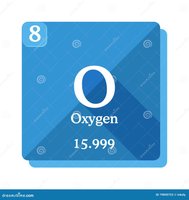
Elements are the fundamental units of matter. The human body is primarily composed of four elements: oxygen, carbon, hydrogen, and nitrogen. The periodic table lists all known elements.
Oxygen (O): Most abundant element in the body, essential for cellular respiration.
Carbon (C): Backbone of organic molecules.
Hydrogen (H): Important in water and organic compounds.
Nitrogen (N): Key component of proteins and nucleic acids.
Atoms and Subatomic Particles
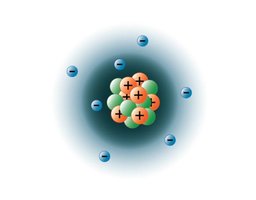
Atoms are the smallest units of elements, consisting of protons, neutrons, and electrons. The atomic symbol is a shorthand for each element.
Protons: Positively charged, found in the nucleus.
Neutrons: Neutral, found in the nucleus.
Electrons: Negatively charged, orbit the nucleus.
Atomic Number: Number of protons in the nucleus.
Atoms are electrically neutral: Number of protons equals number of electrons.
Ions and Chemical Behavior
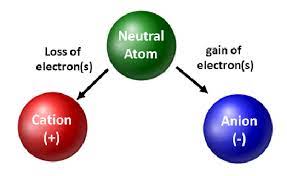
Ions are atoms that have gained or lost electrons, resulting in a net charge. Electrons determine an atom’s chemical behavior and bonding properties.
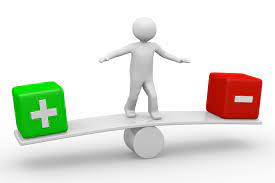
Anion: Negatively charged ion (gains electrons).
Cation: Positively charged ion (loses electrons).
Electrons: Responsible for chemical bonding and reactivity.
Molecules and Compounds
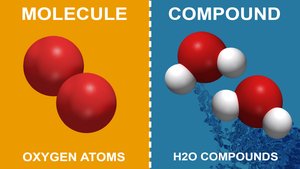
Molecules are formed when two or more atoms combine chemically. Compounds are molecules made from different elements. Chemical reactions involve the making or breaking of bonds between atoms.
Molecule: Two or more atoms of the same element.
Compound: Two or more atoms of different elements.
Chemical Equation: Represents reactants and products.
Electron Shells and Chemical Bonding
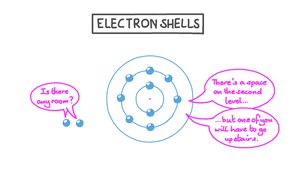
Electrons occupy energy levels called shells. The outermost shell (valence shell) determines chemical reactivity. Atoms with full valence shells are stable and do not form bonds.
Shell 1: Maximum 2 electrons.
Shell 2: Maximum 8 electrons.
Shell 3: Maximum 18 electrons.
Rule of Eights: Atoms are stable with 8 electrons in the valence shell.

Types of Chemical Bonds
Atoms achieve stability through chemical bonds: ionic, covalent, and hydrogen bonds.
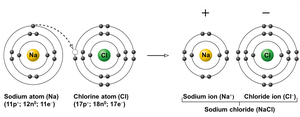
Ionic Bonds: Electrons are transferred from one atom to another, forming ions that attract each other.
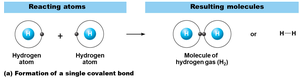
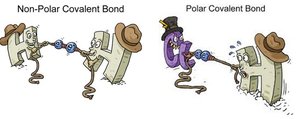
Covalent Bonds: Electrons are shared between atoms. Can be nonpolar (equal sharing) or polar (unequal sharing).
Hydrogen Bonds: Weak bonds between polar molecules, important in water and biological molecules.
Patterns of Chemical Reactions
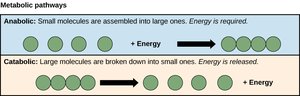
Chemical reactions in the body follow specific patterns: synthesis, decomposition, and exchange.
Synthesis Reaction: Atoms or molecules combine to form larger molecules. Underlies anabolic activities.
Decomposition Reaction: Molecules are broken down into smaller molecules. Underlies catabolic activities.
Exchange Reaction: Parts of molecules are exchanged to form new molecules.
Biochemistry: The Chemical Composition of Living Matter
Inorganic Compounds
Inorganic compounds lack carbon and are usually small, simple molecules. Important examples include water, salts, acids, and bases.
Water: Most abundant inorganic compound; essential for life.
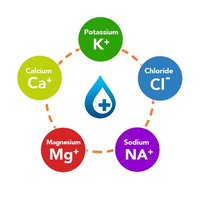
Salts: Ionic compounds that dissociate in water; vital for nerve impulses.
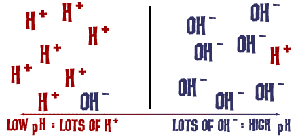
Acids: Release hydrogen ions (proton donors).
Bases: Release hydroxyl ions (proton acceptors).
pH and Buffers
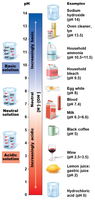
The pH scale measures the concentration of hydrogen ions in a solution, ranging from 0 (acidic) to 14 (basic). Buffers help regulate pH changes in the body.
Neutral: pH 7; equal hydrogen and hydroxyl ions.
Acidic: pH below 7; more hydrogen ions.
Basic: pH above 7; fewer hydrogen ions.
Buffers: Chemicals that resist pH changes.
Organic Compounds
Organic compounds contain carbon and are typically large, covalent molecules. Major classes include carbohydrates, lipids, proteins, and nucleic acids.
Carbohydrates: Provide energy; include sugars and starches.
Lipids: Store energy, form cell membranes, and act as hormones.
Proteins: Build tissues, act as enzymes, hormones, and antibodies.
Nucleic Acids: Store and transmit genetic information (DNA and RNA).
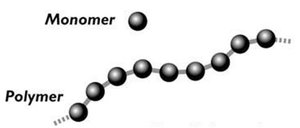
Carbohydrates
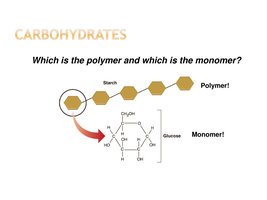
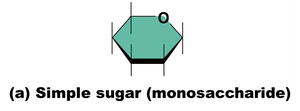
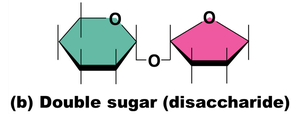
Carbohydrates are classified by size: monosaccharides (simple sugars), disaccharides (two sugars), and polysaccharides (many sugars).
Monosaccharides: Glucose, fructose, galactose.
Disaccharides: Sucrose, lactose, maltose.
Polysaccharides: Starch, glycogen.
Lipids
Lipids include triglycerides, phospholipids, and steroids. They are insoluble in water and serve as energy storage, structural components, and signaling molecules.
Triglycerides: Composed of fatty acids and glycerol; stored in fat deposits.
Phospholipids: Form cell membranes; have hydrophilic heads and hydrophobic tails.
Steroids: Include cholesterol and hormones.
Proteins
Proteins are made of amino acids and are essential for structure, function, and regulation of the body’s tissues and organs.
Amino Acids: Building blocks of proteins.
Functions: Enzymes, hormones, antibodies, structural components.
Nucleic Acids
Nucleic acids (DNA and RNA) store and transmit genetic information. They are composed of nucleotides, which include a nitrogenous base, a pentose sugar, and a phosphate group.
DNA: Genetic material in the nucleus; instructions for protein synthesis.
RNA: Carries out DNA’s instructions for protein synthesis.
Adenosine Triphosphate (ATP)
ATP is the primary energy carrier in cells. It is composed of a nucleotide with ribose sugar, adenine base, and three phosphate groups. Energy is released by breaking the high-energy phosphate bond.
ATP: Provides energy for cellular processes.
Hydrolysis: Releases energy by breaking phosphate bonds.
Summary Table: Acids, Bases, and Salts
Type | Definition | Properties |
|---|---|---|
Acids | Proton donors; release H+ ions | Sour taste, pH < 7 |
Bases | Proton acceptors; release OH- ions | Bitter taste, pH > 7 |
Salts | Ionic compounds; dissociate in water | Conduct electricity, vital for body functions |
Key Equations
Dehydration Synthesis:
Hydrolysis:
pH Calculation:
