 Back
Chapter 2: Chemistry of Life – Foundations for Anatomy & Physiology
Study Guide - Smart Notes
 Tailored notes based on your materials, expanded with key definitions, examples, and context.
Chemistry of Life
Introduction to Matter and Chemistry
Chemistry is fundamental to understanding anatomy and physiology, as all biological processes are based on chemical interactions. Matter is anything that has mass and occupies space, and it is composed of atoms, the smallest units that retain the properties of an element.
Matter: Anything with mass and volume.
Chemistry: The study of matter and its interactions.
Atom: The smallest unit of matter retaining the properties of an element.
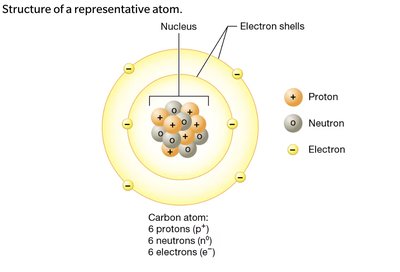
Subatomic particles: Protons (positive, in nucleus), neutrons (neutral, in nucleus), electrons (negative, in shells around nucleus).
Atomic Structure and Elements
Atoms are defined by the number of protons in their nucleus, known as the atomic number. Elements are substances composed of only one type of atom and cannot be broken down by chemical means.
Atomic number: Number of protons in an atom.
Element: Substance made of identical atoms, defined by proton number.
Major elements in the body: Oxygen (65%), Carbon (18%), Hydrogen (10%), Nitrogen (3%).
Mineral elements: Sodium, potassium, calcium, chlorine, magnesium, phosphorus, sulfur (less than 4% of body mass).
Isotopes and Radioactivity
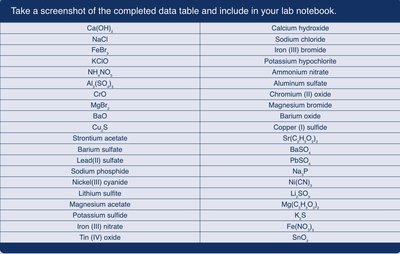
Isotopes are atoms of the same element with different numbers of neutrons, resulting in different mass numbers. Some isotopes are unstable and undergo radioactive decay, emitting energy and particles.
Mass number: Protons + neutrons in the nucleus.
Isotopes: Same atomic number, different mass number.
Radioisotopes: Unstable isotopes that emit radiation; used in medical diagnosis and treatment.
Mixtures and Chemical Bonds
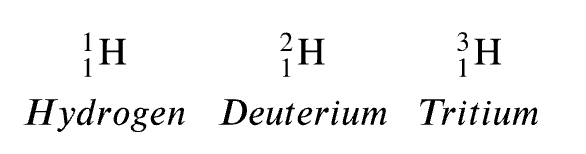
Mixtures are combinations of substances that are not chemically bonded. There are three main types: suspensions, colloids, and solutions. Chemical bonds form when atoms interact to achieve stability.
Suspension: Particles settle out (e.g., blood cells in plasma).
Colloid: Particles do not settle out, appear opaque (e.g., milk).
Solution: Homogeneous mixture, particles do not settle (e.g., salt water).
Solute: Substance dissolved in a solvent.
Solvent: Substance that dissolves the solute (often water).
Chemical Reactions
Chemical reactions involve the making or breaking of chemical bonds, resulting in new substances. Reactants are transformed into products, and energy changes accompany these reactions.
Chemical reaction: Bonds are formed, broken, or rearranged; electrons may be transferred.
Reactants: Substances that enter a reaction.
Products: Substances produced by a reaction.


Energy in Chemical Reactions
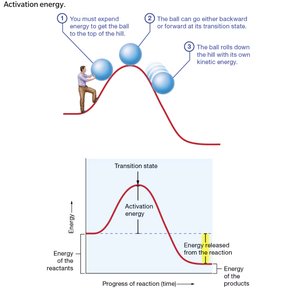
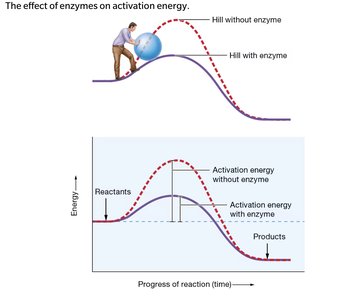
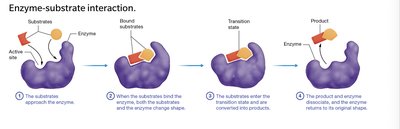
Energy is required for chemical reactions to occur. It exists as potential (stored) or kinetic (in motion) energy. Activation energy is the minimum energy needed to start a reaction. Enzymes are biological catalysts that lower activation energy, increasing reaction rates.
Potential energy: Stored energy.
Kinetic energy: Energy of motion.
Activation energy: Energy required to initiate a reaction.
Enzyme: Protein catalyst that lowers activation energy.
Types of Chemical Reactions
Chemical reactions can be classified by the changes they produce:
Catabolic (decomposition) reactions: Large molecules broken into smaller ones (AB → A + B).
Anabolic (synthesis) reactions: Small molecules combine to form larger ones (A + B → AB).
Exchange reactions: Atoms are exchanged between reactants (AB + CD → AD + BC).
Oxidation-reduction (redox) reactions: Electrons are transferred between reactants.
Inorganic Compounds: Water, Acids, Bases, and Salts
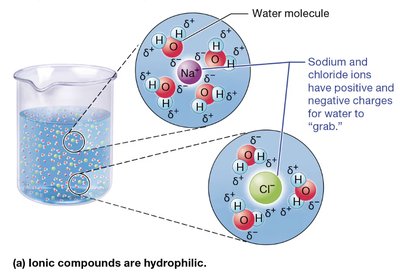
Inorganic compounds do not contain carbon-hydrogen bonds. Water is the most important inorganic compound in the body, acting as a solvent, reactant, and temperature buffer. Acids and bases affect the pH of body fluids.
Water: Universal solvent, cushions and protects, participates in chemical reactions.
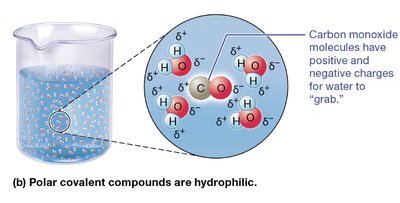
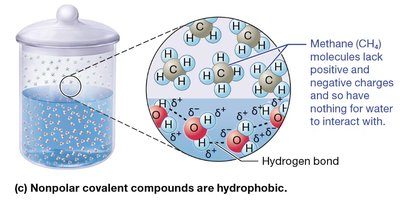
Hydrophilic: Substances that dissolve in water (e.g., ionic and polar compounds).
Hydrophobic: Substances that do not dissolve in water (e.g., nonpolar compounds).
Acids, Bases, and the pH Scale
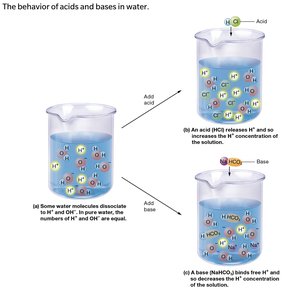
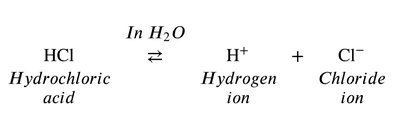
Acids release hydrogen ions (H+) in solution, while bases accept H+ or release hydroxide ions (OH-). The pH scale measures the concentration of H+ in a solution, ranging from 0 (acidic) to 14 (basic), with 7 being neutral.
Acid: Proton donor; increases H+ in solution.
Base: Proton acceptor; decreases H+ in solution.
pH scale: 0–14; lower values are acidic, higher values are basic.
Buffer systems: Prevent large swings in pH.
Organic Compounds: Carbohydrates, Lipids, Proteins, and Nucleic Acids
Organic compounds contain carbon-hydrogen bonds and are essential for life. They include carbohydrates, lipids, proteins, and nucleic acids.
Monomer: Single molecular subunit (e.g., glucose, amino acid).
Polymer: Large molecule made of monomers (e.g., starch, protein).
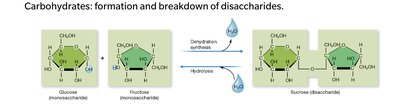
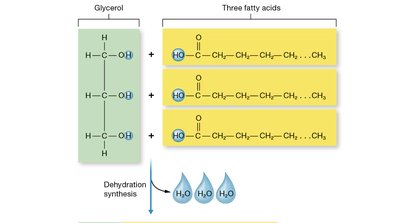
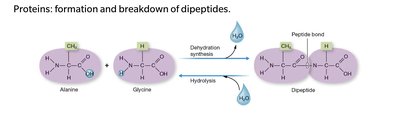
Dehydration synthesis: Joins monomers, releases water.
Hydrolysis: Breaks polymers, consumes water.
Carbohydrates
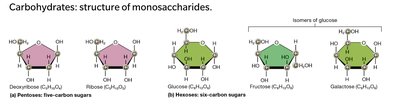
Monosaccharides: Simple sugars (e.g., glucose, fructose).
Disaccharides: Two monosaccharides joined (e.g., sucrose).
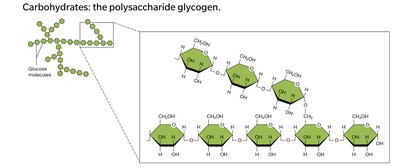
Polysaccharides: Many monosaccharides (e.g., glycogen).
Isomers: Same formula, different structure.
Lipids
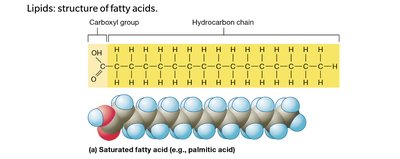
Fatty acids: Hydrocarbon chains with carboxylic acid group.
Saturated fatty acids: No double bonds.
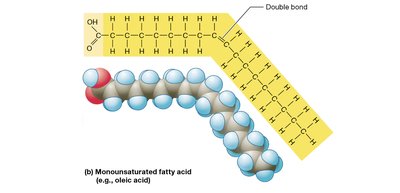
Monounsaturated fatty acids: One double bond.
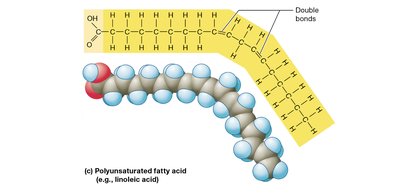
Polyunsaturated fatty acids: Two or more double bonds.
Triglycerides: Three fatty acids + glycerol.
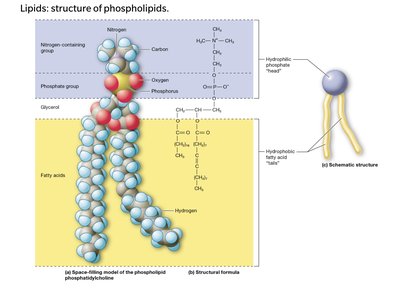
Phospholipids: Two fatty acids + phosphate group + glycerol; major component of cell membranes.
Steroids: Four-ring hydrocarbon structure (e.g., cholesterol, cortisol).
Proteins
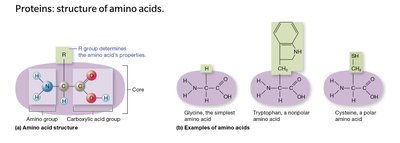
Amino acids: Monomers of proteins; contain amino group, carboxyl group, and R group.
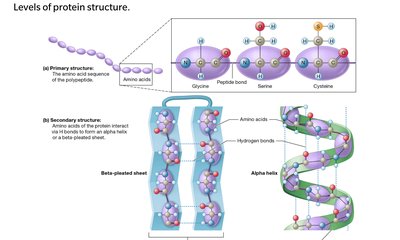
Peptide bond: Covalent bond between amino acids.
Polypeptide: Chain of amino acids.
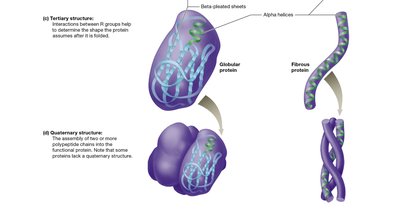
Denaturation: Loss of protein structure and function due to environmental changes.
Nucleic Acids
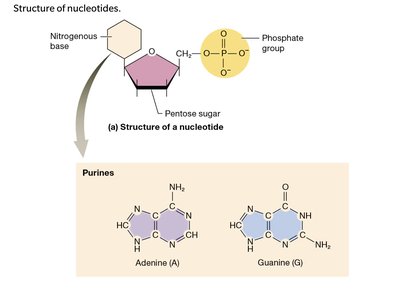
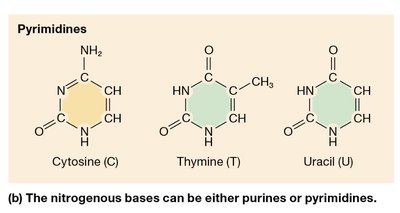
Nucleotides: Monomers of nucleic acids; consist of a nitrogenous base, pentose sugar, and phosphate group.
DNA: Double-stranded, contains deoxyribose, bases A, T, C, G.
RNA: Single-stranded, contains ribose, bases A, U, C, G.
Practice Questions and Applications
Element: Substance composed of identical atoms, cannot be broken down by chemical means.
Neutron: Neutral subatomic particle.
Isotopes: Atoms with same atomic number, different mass number.
Suspension: Mixture with particles that settle out.
Enzymes: Lower activation energy, speed up reactions.
Buffer systems: Prevent large swings in pH.
Dehydration synthesis: Joins monomers, forms water.
Hydrolysis: Breaks polymers, uses water.
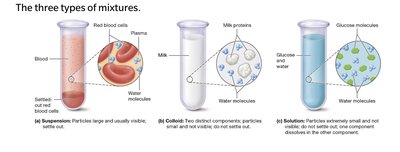
Table: Common Inorganic Compounds and Their Names
Formula | Name |
|---|---|
Ca(OH)2 | Calcium hydroxide |
NaCl | Sodium chloride |
FeBr3 | Iron (III) bromide |
KClO | Potassium hypochlorite |
NH4NO3 | Ammonium nitrate |
Al2(SO4)3 | Aluminum sulfate |
Cr2O3 | Chromium (III) oxide |
MgBr2 | Magnesium bromide |
BaO | Barium oxide |
CuS | Copper (II) sulfide |
Sr(C2H3O2)2 | Strontium acetate |
BaSO4 | Barium sulfate |
PbSO4 | Lead(II) sulfate |
Na3PO4 | Sodium phosphate |
Ni(CN)2 | Nickel(II) cyanide |
Li2SO3 | Lithium sulfite |
MgSO4 | Magnesium sulfate |
K2S | Potassium sulfide |
Fe(NO3)2 | Iron (II) nitrate |
SnO2 | Tin (IV) oxide |
