 Back
BackChapter 21: The Immune System – Innate and Adaptive Body Defenses
Study Guide - Smart Notes
 Tailored notes based on your materials, expanded with key definitions, examples, and context.
Immune System Overview
Introduction to Immunity
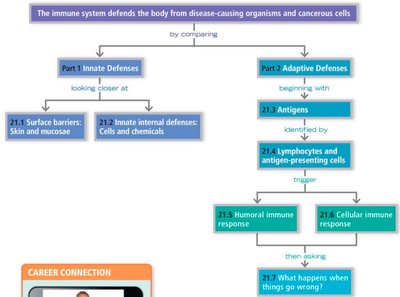
The immune system is responsible for defending the body against disease-causing organisms and cancerous cells. It provides immunity, or resistance to disease, through two main defense systems: innate (nonspecific) defenses and adaptive (specific) defenses. These systems work together to protect the body from a wide variety of pathogens.
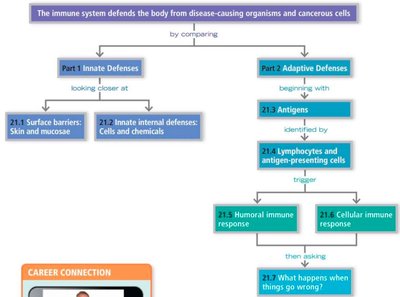
Innate (Nonspecific) Defenses
General Features
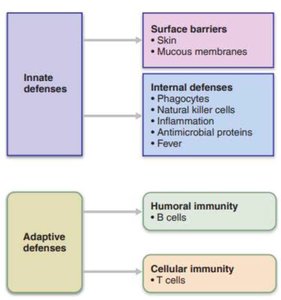
The innate immune system is always prepared and acts as the body's first and second lines of defense. It responds quickly but is less specific than the adaptive system.
First line of defense: Surface barriers such as skin and mucous membranes, and their secretions.
Second line of defense: Internal defenses including phagocytes, natural killer cells, inflammation, antimicrobial proteins, and fever.
First Line of Defense – Surface Barriers
The skin acts as a physical barrier, preventing pathogens from entering the body. It also produces protective chemicals such as acids and enzymes (e.g., lysozyme). Mucous membranes trap microbes and debris, while stomach acid destroys ingested pathogens.
If the first line is breached (e.g., a cut), internal defenses are activated.
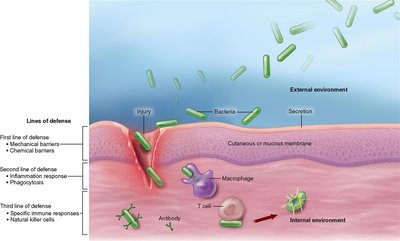
Second Line of Defense – Internal Defenses
When pathogens bypass surface barriers, the body relies on internal cellular and chemical defenses.
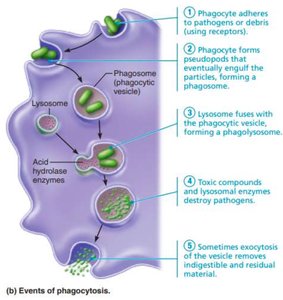
Phagocytes: Cells that engulf and digest pathogens, debris, or dead cells. Major types include neutrophils, eosinophils, and macrophages.
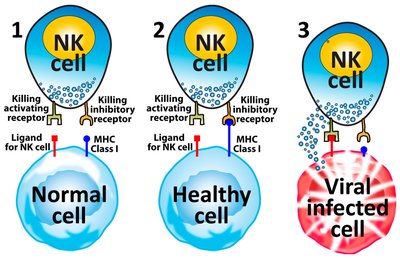
Natural Killer (NK) Cells: Lymphocytes that target virus-infected or cancerous cells by detecting the absence of MHC class I molecules and inducing cell death via perforin.
Inflammation: A nonspecific response to injury, characterized by redness, heat, swelling, pain, and loss of function. Inflammatory chemicals (e.g., histamine, prostaglandins, cytokines) recruit immune cells and promote healing.
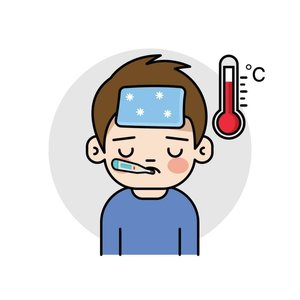
Fever: Systemic increase in body temperature triggered by pyrogens released from macrophages, which inhibits bacterial growth and enhances immune function.
Antimicrobial Proteins: Interferons and complement proteins that help neutralize pathogens.

Adaptive (Specific) Defenses
General Features
The adaptive immune system is slower to respond but highly specific. It forms the third line of defense and is capable of immunological memory. The main components are B cells (humoral immunity) and T cells (cellular immunity), as well as antigen-presenting cells (APCs).
Antigens
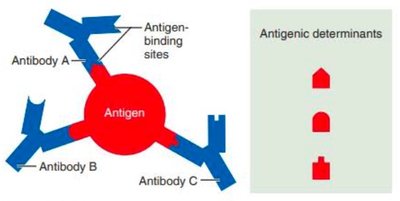
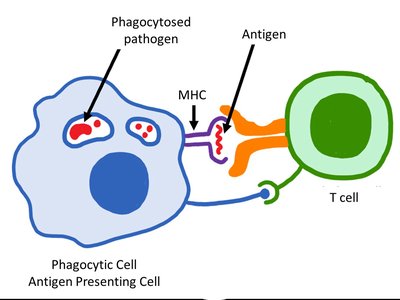
Antigens are foreign substances that trigger an adaptive immune response. They possess multiple antigenic determinants (epitopes) to which antibodies or lymphocyte receptors can bind. The immune system distinguishes self from non-self using Major Histocompatibility Complex (MHC) proteins.
MHC Self-Antigens
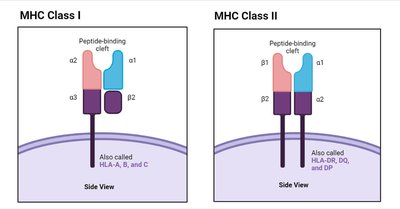
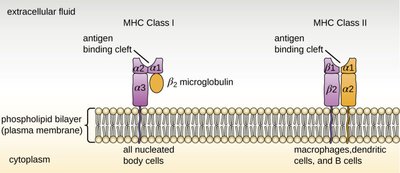
MHC proteins are unique to each individual and allow the immune system to recognize self-cells. There are two classes:
MHC Class I: Found on all nucleated cells; present antigens to CD8+ T cells.
MHC Class II: Found on APCs (dendritic cells, macrophages, B cells); present antigens to CD4+ T cells.
Lymphocyte Development and Maturation
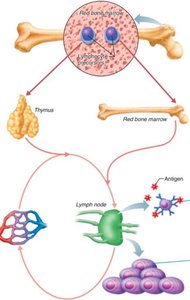
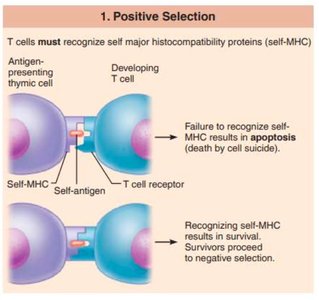
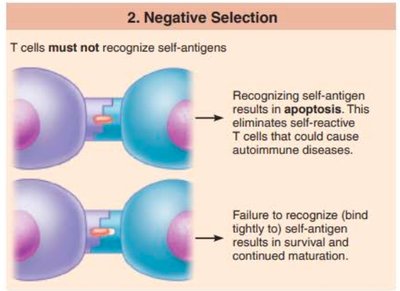
B cells and T cells originate in the bone marrow. B cells mature in the bone marrow, while T cells mature in the thymus. Maturation involves two key processes:
Immunocompetence: Ability to recognize specific antigens.
Self-tolerance: Ability to avoid attacking self-antigens.
Lymphocyte Activation
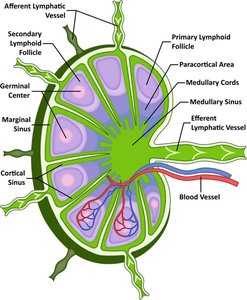
Naïve lymphocytes circulate through secondary lymphoid organs (e.g., lymph nodes) and become activated upon encountering their specific antigen. Activation leads to proliferation into effector and memory cells.
Antigen Presenting Cells (APCs)
APCs (dendritic cells, macrophages, B cells) engulf antigens and present fragments on their MHC receptors to activate naïve T cells.
Humoral (B Cell-Mediated) Immunity
Mechanism
B cells regulate humoral immunity by producing antibodies that circulate in body fluids. The process involves:
Activation: Antigen binds to a specific B cell receptor.
Clonal Selection: Activated B cell proliferates into plasma cells (antibody producers) and memory B cells.
Re-exposure (Secondary Response): Memory B cells respond rapidly to subsequent exposures.
The primary response is slower (3–6 days), while the secondary response is faster (2–3 days) and stronger, forming the basis for vaccinations.
Antibodies (Immunoglobulins)
Antibodies are proteins secreted by plasma cells that bind to antigens. They have variable (V) regions for specificity and constant (C) regions that determine the antibody class (e.g., IgG, IgM, IgA, IgD, IgE). Antibodies neutralize, agglutinate, precipitate, or tag antigens for destruction by other immune cells.

Cellular (T Cell-Mediated) Immunity
Mechanism
T cells regulate cellular immunity by directly attacking infected or abnormal cells. There are two main types:
CD4+ (Helper) T cells: Activate B cells, CD8+ T cells, and macrophages; coordinate immune responses.
CD8+ (Cytotoxic) T cells: Destroy infected or cancerous cells presenting antigens on MHC class I.
Activation of T cells requires antigen presentation on MHC proteins and co-stimulatory signals.
Immune System Disorders
Hypersensitivities
Hypersensitivities occur when the immune system damages tissue in response to harmless substances (e.g., pollen, animal dander). Allergies are immediate hypersensitivities mediated by IgE antibodies and mast cell degranulation.
Immunodeficiencies
Immunodeficiencies are conditions where immune cell function is impaired. Examples include Severe Combined Immunodeficiency (SCID) and Acquired Immune Deficiency Syndrome (AIDS), the latter caused by HIV targeting CD4+ T cells.
Autoimmune Diseases
Autoimmune diseases result from the immune system attacking self-tissues due to failure in self-tolerance. Examples include multiple sclerosis, type 1 diabetes (T cell-mediated), and lupus (B cell/antibody-mediated). Treatments may involve blocking cytokines or co-stimulatory molecules.
