 Back
BackChapter 3: Cells – Structure, Function, and Processes
Study Guide - Smart Notes
 Tailored notes based on your materials, expanded with key definitions, examples, and context.
Cells: The Living Units
Introduction to Cells
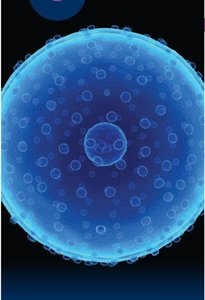
Cells are the fundamental units of life, forming the basic building blocks of all living organisms. Human cells vary in size and shape, but all are microscopic and share common structural features essential for their function.
Size and Shape: Human cells are microscopic and differ notably in shape, which is often related to their specific function.
Cell Composition: Each cell contains cytoplasm, specialized organelles, and is surrounded by a plasma membrane.
Cell Structure
Main Parts of the Cell
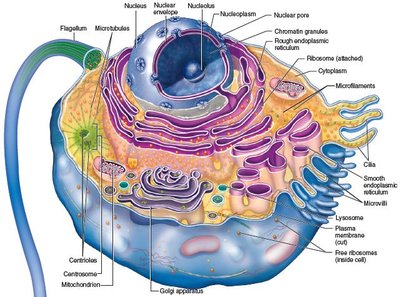
Cells are composed of three main parts: the plasma membrane, cytoplasm (containing organelles), and the nucleus.
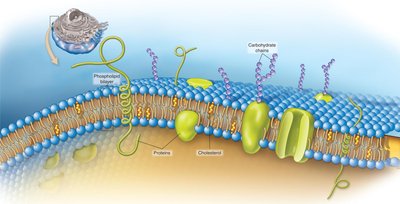
Plasma Membrane: Forms the outer boundary, composed of a phospholipid bilayer with embedded proteins, and is selectively permeable.
Cytoplasm: The internal living material between the plasma membrane and nucleus, containing organelles.
Nucleus: Surrounded by a nuclear envelope, contains genetic material (DNA), and controls cellular activities.
Organelles and Their Functions
Ribosomes: Sites of protein synthesis, may be free or attached to rough endoplasmic reticulum (ER).
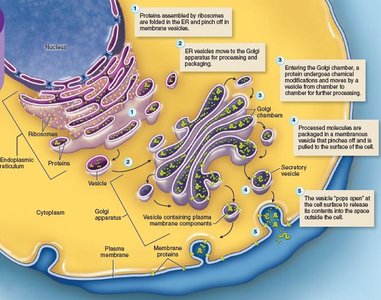
Endoplasmic Reticulum (ER): Network of membranes; rough ER processes proteins, smooth ER synthesizes lipids and detoxifies chemicals.
Golgi Apparatus: Modifies, sorts, and packages proteins and lipids for secretion or delivery to other organelles.
Mitochondria: Powerhouse of the cell, site of ATP (energy) production via cellular respiration.
Lysosomes: Contain digestive enzymes for breaking down waste and cellular debris.
Centrosome and Centrioles: Organize microtubules and play a role in cell division.
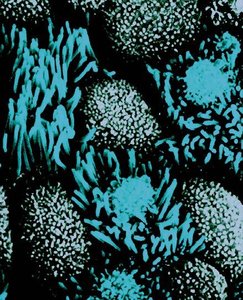
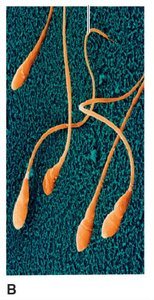
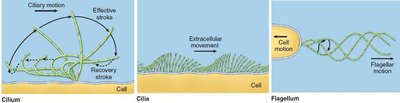
Cell Extensions: Microvilli (increase surface area), cilia (move substances across cell surface), and flagella (cell movement, e.g., sperm).
Nucleus: Control Center of the Cell
The nucleus contains the cell's genetic material and directs all cellular activities. It is surrounded by a double membrane (nuclear envelope) with pores for molecular exchange.
Nucleolus: Site of ribosome subunit synthesis.
Chromatin/Chromosomes: DNA and associated proteins; condense into chromosomes during cell division.
Cell Membrane Transport Mechanisms
Passive Transport
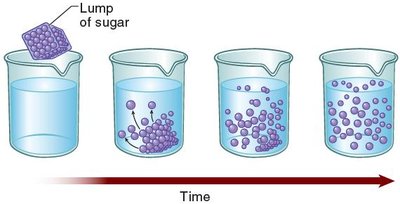
Passive transport processes move substances across cell membranes without energy input, typically down a concentration gradient.
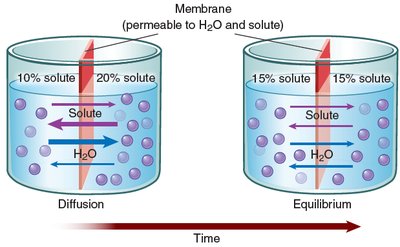
Diffusion: Movement of molecules from high to low concentration.
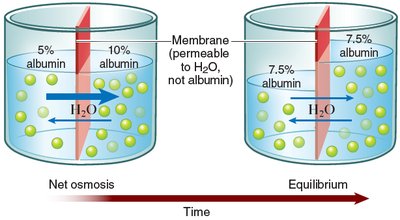
Osmosis: Diffusion of water across a selectively permeable membrane.
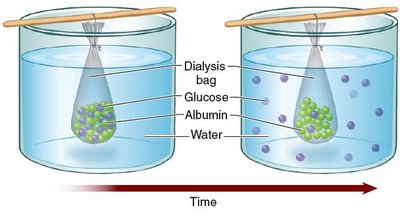
Dialysis: Diffusion of solutes across a membrane.
Filtration: Movement of water and solutes due to hydrostatic pressure.
Active Transport
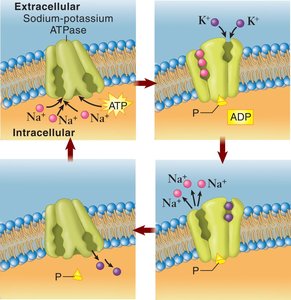
Active transport requires energy (ATP) to move substances against their concentration gradients.
Ion Pumps: Protein complexes that transport ions (e.g., sodium-potassium pump).
Phagocytosis: Cell engulfs large particles or microbes ('cell eating').
Pinocytosis: Cell engulfs fluids and dissolved substances ('cell drinking').
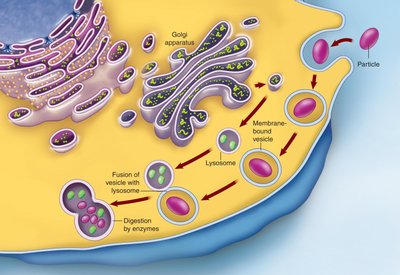
Cell Transport and Disease
Defects in cell transport mechanisms can lead to diseases such as cystic fibrosis (defective chloride ion transport) and cholera (excessive loss of chloride and water from intestinal cells).
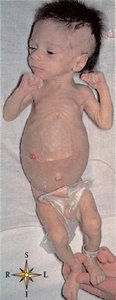
Cell Growth, Reproduction, and Protein Synthesis
DNA Structure and Function
DNA is a double helix composed of deoxyribose sugar, phosphate groups, and nitrogenous bases (adenine, thymine, guanine, cytosine). Genes are segments of DNA that code for proteins, determining cell structure and function.
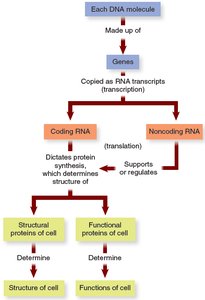
Protein Synthesis: Transcription and Translation
Protein synthesis involves two main steps:
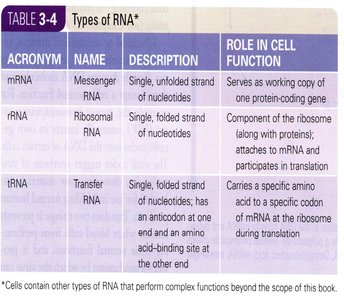
Transcription: DNA is used as a template to synthesize messenger RNA (mRNA) in the nucleus.
Translation: mRNA is decoded by ribosomes in the cytoplasm to assemble amino acids into proteins.
Codon: A sequence of three mRNA bases that codes for a specific amino acid.
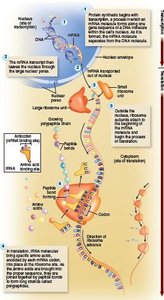
Protein Synthesis and Disease
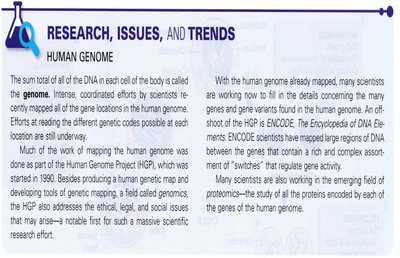
Mutations or damage to DNA can disrupt protein synthesis, leading to diseases. For example, viruses like HIV can insert their genetic material into host DNA, hijacking the cell's machinery
Cell Life Cycle and Division
Cell Cycle and Mitosis
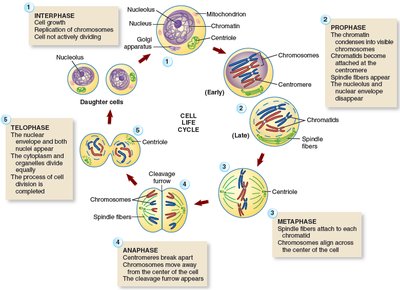
The cell cycle includes interphase (cell growth and DNA replication) and mitosis (nuclear division), resulting in two genetically identical daughter cells.
Prophase: Chromosomes condense, nuclear envelope dissolves, spindle fibers form.
Metaphase: Chromosomes align at the cell's equator.
Anaphase: Chromatids separate and move to opposite poles.
Telophase: Nuclear envelopes reform, cytokinesis divides the cytoplasm.
Changes in Cell Growth and Reproduction
Types of Cellular Changes
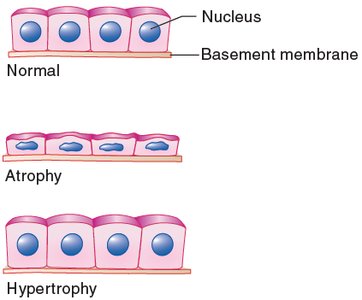
Hypertrophy: Increase in cell size.
Atrophy: Decrease in cell size.
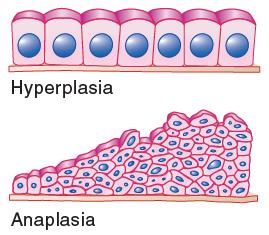
Hyperplasia: Increase in cell number.
Anaplasia: Loss of differentiation, abnormal cell growth (often seen in cancer).
Clinical Application: Stem Cells
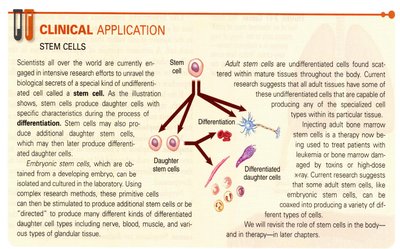
Stem cells are undifferentiated cells capable of giving rise to various cell types. They are crucial for growth, repair, and research into regenerative medicine.
Review Questions
The three main parts of a cell are: Plasma membrane, cytoplasm, nucleus.
The organelle most often referred to as the “power plant” of the cell is the mitochondrion.
Cell transport processes are classified as passive and active transport.
All human cells that reproduce do so by mitosis.
Before a cell divides, DNA replication occurs to ensure each new cell receives identical genetic material.
Loss of control over mitosis can result in neoplasms (tumors).
