 Back
BackChemical Level of Organization: Study Notes for Anatomy & Physiology
Study Guide - Smart Notes
 Tailored notes based on your materials, expanded with key definitions, examples, and context.
Chemical Level of Organization
Atoms and Subatomic Particles
The foundation of all matter is the atom, which consists of subatomic particles: protons, neutrons, and electrons. Understanding atomic structure is essential for grasping the chemical basis of life.
Protons (P+): Positively charged particles found in the nucleus.
Neutrons (N): Electrically neutral particles also located in the nucleus.
Electrons (e-): Negatively charged particles that orbit the nucleus in the electron cloud.
Atomic Number: The number of protons in an atom, which defines the element.
Mass Number: The sum of protons and neutrons in an atom.
Isotopes: Atoms of the same element with different numbers of neutrons.
Atomic Weight: The average mass of an atom, measured in Daltons.
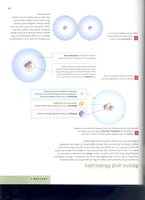
Additional info: The electron cloud model helps visualize the probable locations of electrons around the nucleus.
Elements and the Human Body
Elements are pure substances composed of only one type of atom. The human body is primarily made up of 13 abundant elements, including carbon, hydrogen, oxygen, and nitrogen.
Periodic Table: Organizes elements by atomic number.
Biological Importance: Elements such as calcium, phosphorus, and potassium are vital for physiological functions.
Electron Shells and Chemical Reactivity
Electrons occupy energy levels called shells. The arrangement of electrons in these shells determines an atom's reactivity.
Stable Configuration: Inert elements have full outer shells (2 or 8 electrons).
Reactive Elements: Tend to gain, lose, or share electrons to achieve stability.
Ions: Atoms that have gained or lost electrons, resulting in a charge.
Cation: Positively charged ion (lost electron).
Anion: Negatively charged ion (gained electron).
Chemical Bonds
Chemical bonds are formed when atoms interact to achieve stable electron configurations. The main types are ionic and covalent bonds.
Ionic Bonds: Formed between cations and anions through electron transfer.
Covalent Bonds: Formed by sharing electrons between atoms.
Polar Covalent Bonds: Unequal sharing of electrons, as seen in water molecules.
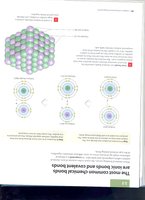
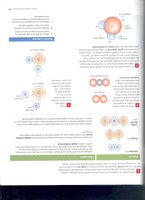
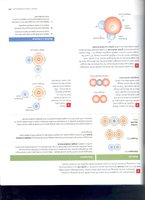
Example: Sodium chloride (NaCl) is formed by the transfer of an electron from sodium to chlorine, resulting in an ionic bond.
Chemical Reactions
Chemical reactions involve the making and breaking of bonds between atoms. There are three basic types of reactions:
Decomposition: Breaks molecules into smaller fragments. Example: Hydrolysis.
Synthesis: Assembles smaller molecules into larger ones. Example: Dehydration synthesis.
Exchange: Shuffles components to produce new products.
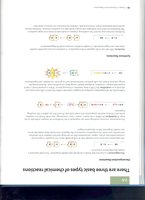
Additional info: Catabolism and anabolism are metabolic pathways involving decomposition and synthesis, respectively.
Water and Its Importance
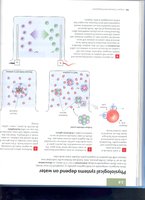
Water is crucial for life due to its unique properties, which arise from its polar structure and hydrogen bonding.
Lubrication: Reduces friction in body cavities.
High Heat Capacity: Absorbs and retains heat, contributing to thermal inertia.
Solubility: Dissolves many substances, facilitating transport and reactions.
Reactivity: Participates in hydrolysis and dehydration reactions.
Hydrophilic: Molecules that interact with water.
Hydrophobic: Molecules that avoid water.
pH and Homeostasis
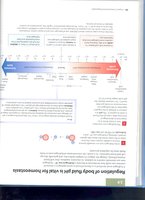
pH measures the concentration of hydrogen ions in a solution. Maintaining pH is vital for homeostasis in the body.
Acids: Release hydrogen ions (H+).
Bases: Remove hydrogen ions or release hydroxide ions (OH-).
Salts: Ionic compounds formed from acid-base reactions.
Buffer Systems: Help regulate pH in body fluids.
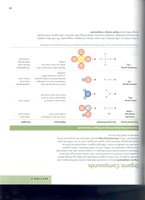
Organic Compounds
Organic compounds are molecules containing carbon, hydrogen, and usually oxygen. They are essential for cellular structure and function.
Functional Groups: Specific groups of atoms that influence molecular properties and reactions.
Types: Carbohydrates, lipids, proteins, and nucleic acids.
Carbohydrates
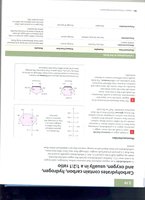
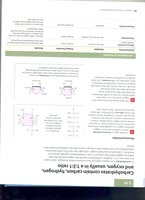
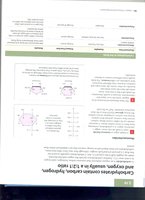
Carbohydrates are organic molecules with a 1:2:1 ratio of carbon, hydrogen, and oxygen. They serve as energy sources and structural components.
Monosaccharides: Simple sugars (e.g., glucose).
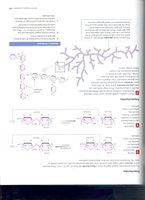
Disaccharides: Two monosaccharides joined (e.g., sucrose).
Polysaccharides: Long chains of monosaccharides (e.g., glycogen).
Isomers: Molecules with the same formula but different structures.
Lipids
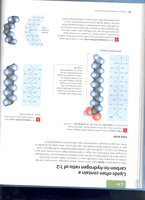
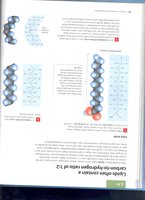
Lipids are hydrophobic molecules containing carbon, hydrogen, and oxygen. They are important for energy storage, membrane structure, and signaling.
Fatty Acids: Can be saturated (no double bonds) or unsaturated (one or more double bonds).
Glycerides: Formed from glycerol and fatty acids.
Phospholipids: Have hydrophilic and hydrophobic regions, crucial for cell membranes.
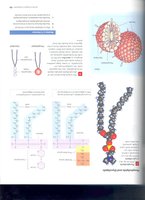
Proteins
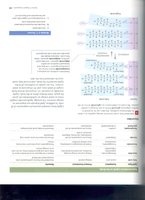
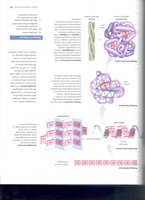
Proteins are polymers of amino acids linked by peptide bonds. They perform a wide range of functions, including catalysis, structure, and regulation.
Primary Structure: Sequence of amino acids.
Secondary Structure: Alpha helices and beta sheets.
Tertiary Structure: Three-dimensional folding.
Quaternary Structure: Multiple polypeptide chains.
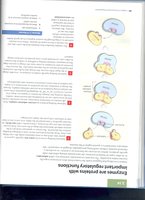
Enzymes: Proteins that catalyze biochemical reactions.
Nucleic Acids
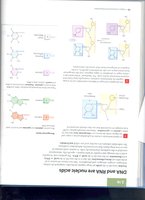
Nucleic acids (DNA and RNA) store and transmit genetic information. They are composed of nucleotides, each containing a sugar, phosphate, and nitrogenous base.
DNA: Double-stranded, contains adenine, thymine, cytosine, and guanine.
RNA: Single-stranded, contains uracil instead of thymine.
ATP: Adenosine triphosphate, the primary energy carrier in cells.
Example: DNA stores genetic information, while RNA translates this information into proteins.
Summary Table: Types of Chemical Bonds
The following table summarizes the main types of chemical bonds and their characteristics:
Bond Type | Formation | Example |
|---|---|---|
Ionic | Electron transfer between atoms | NaCl (sodium chloride) |
Covalent | Electron sharing between atoms | H2O (water) |
Polar Covalent | Unequal sharing of electrons | H2O (water) |
Additional info: Hydrogen bonds, though weaker, are crucial for the structure of water and biological molecules.
Summary Table: Major Organic Molecules
The following table summarizes the major classes of organic molecules:
Class | Monomer | Function |
|---|---|---|
Carbohydrates | Monosaccharides | Energy, structure |
Lipids | Fatty acids, glycerol | Energy storage, membranes |
Proteins | Amino acids | Catalysis, structure, regulation |
Nucleic Acids | Nucleotides | Genetic information |
Key Equations
Important equations for understanding atomic structure and reactions:
Atomic Number:
Mass Number:
ATP Hydrolysis:
