 Back
Chemical Methods of Controlling Microbial Growth in the Environment
Study Guide - Smart Notes
 Tailored notes based on your materials, expanded with key definitions, examples, and context.
Chemical Methods of Microbial Control
Introduction
Chemical methods are essential for controlling microbial growth in various environments, including healthcare, industry, and public spaces. These methods utilize different classes of chemicals to target and destroy or inhibit the growth of microorganisms by damaging critical cellular components such as proteins, membranes, and nucleic acids.
Phenolics
Phenolics are chemical agents that disrupt cell membranes and denature proteins, leading to microbial death. They are effective against a broad spectrum of microbes and are commonly used in household and healthcare settings.
Mode of Action: Damage proteins and disrupt cell membranes.
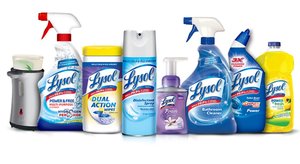
Examples: Triclosan (found in antibacterial soaps), Lysol products.
Applications: Disinfection of surfaces and instruments.
Halogens
Halogens are highly reactive elements that act as strong oxidizing agents, damaging proteins and other cellular components. They are widely used for disinfection and antisepsis.
Mode of Action: Oxidize and damage proteins, leading to loss of function.
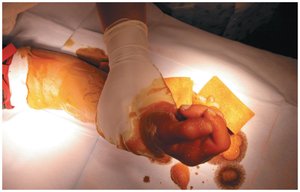
Iodine: Used for skin and wound treatment (e.g., Betadine).
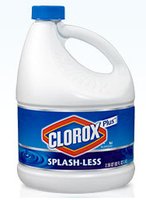
Chlorine: Used to disinfect drinking water, swimming pools, and wastewater; bleach is a common household disinfectant.
Alcohols
Alcohols are effective antimicrobial agents that denature proteins and disrupt cell membranes. Their efficacy depends on concentration and the presence of water.
Mode of Action: Denature proteins and disrupt membranes.
Common Types: Isopropanol (rubbing alcohol), ethanol (in hand sanitizers like Purell).
Optimal Concentration: 62-70% alcohol with water is most effective.
Note: Water is required for protein denaturation; pure alcohol is less effective.
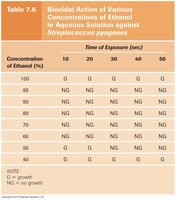
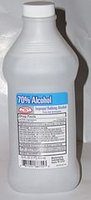
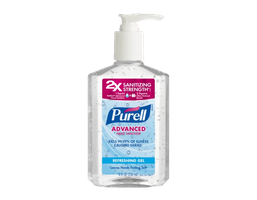
Table: Biocidal Action of Ethanol Concentrations
Concentration of Ethanol (%) | 10 sec | 20 sec | 30 sec | 40 sec | 50 sec |
|---|---|---|---|---|---|
50 | NG | NG | NG | NG | NG |
60 | NG | NG | NG | NG | NG |
70 | NG | NG | NG | NG | NG |
80 | NG | NG | NG | NG | NG |
90 | G | G | G | G | G |
95 | G | G | G | G | G |
G = growth; NG = no growth
Aldehydes
Aldehydes are potent disinfectants that inactivate proteins and nucleic acids. They are used for sterilizing medical equipment and in embalming procedures.
Mode of Action: Cross-link and inactivate proteins and nucleic acids.
Examples: Glutaraldehyde (used for disinfecting medical instruments).
Applications: Sterilization of heat-sensitive equipment, embalming.


Ethylene Oxide Gas
Ethylene oxide gas is a gaseous sterilant that damages proteins and nucleic acids. It is especially useful for sterilizing heat-sensitive materials.
Mode of Action: Alkylates proteins and nucleic acids, leading to microbial death.
Applications: Sterilization of hospital mattresses and other heat-sensitive equipment.
Microbial Susceptibility to Antimicrobial Agents
Order of Microbe Resistance
Microorganisms vary in their susceptibility to chemical agents. The order of resistance from most to least is as follows:
Prions (most resistant)
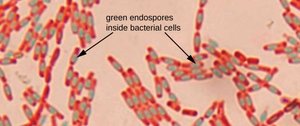
Bacterial endospores
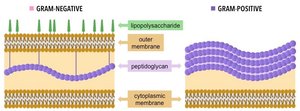
Gram-negative bacteria
Gram-positive bacteria (least resistant)
Comparison of Gram-Negative and Gram-Positive Bacteria
Feature | Gram-Negative | Gram-Positive |
|---|---|---|
Cell Wall Structure | Thin peptidoglycan, outer membrane with lipopolysaccharide | Thick peptidoglycan, no outer membrane |
Susceptibility | More resistant to chemicals due to outer membrane | Less resistant |
Example: Bacterial endospores are highly resistant to most chemical disinfectants, requiring more rigorous sterilization methods.
Additional info: Prions are infectious proteins that are extremely resistant to conventional sterilization methods. Gram-negative bacteria are more resistant than Gram-positive bacteria due to their outer membrane, which acts as a barrier to many chemicals.
