 Back
BackDevelopment and Inheritance: Pregnancy, Labor, and Patterns of Inheritance
Study Guide - Smart Notes
 Tailored notes based on your materials, expanded with key definitions, examples, and context.
Development and Inheritance
Hormones in Pregnancy and Labor
During pregnancy and labor, several hormones play crucial roles in maintaining pregnancy, preparing the body for childbirth, and initiating labor. Understanding the hormonal changes is essential for grasping the physiological adaptations during this period.
hCG (human chorionic gonadotropin): Secreted after implantation, maintains the corpus luteum and progesterone production in early pregnancy.
Progesterone: Produced by the corpus luteum, later by the placenta; inhibits uterine contractions and maintains the uterine lining.
Estradiol (a form of estrogen): Increases uterine sensitivity to contractions and promotes myometrial growth.
Cortisol: Fetal cortisol rises before labor, stimulating placental estrogen production and contributing to labor onset.
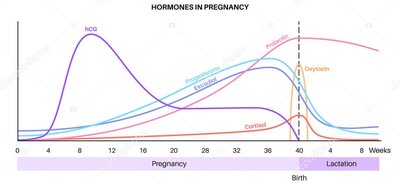
Key Point: The balance between progesterone and estrogen shifts near term, with progesterone declining and estrogen rising, making the uterus more responsive to contraction signals.
Hormonal Regulation of Labor
Labor (parturition) is the process of childbirth, initiated by a complex interplay of maternal and fetal signals. The transition from pregnancy to labor involves changes in hormone levels and uterine sensitivity.
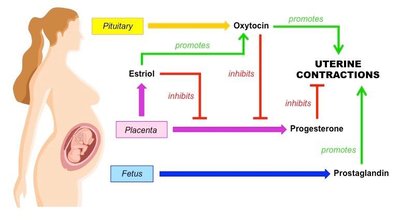
Progesterone withdrawal: Inhibits contractions during pregnancy; its decline allows contractions to begin.
Estrogen rise: Increases myometrial sensitivity to oxytocin and prostaglandins.
Oxytocin: Released from the maternal pituitary, stimulates strong uterine contractions via a positive feedback loop.
Prostaglandins: Produced by the fetus and placenta, further stimulate uterine contractions.
Example: Braxton Hicks contractions are 'false' contractions that may occur as progesterone declines but before true labor begins.
Positive Feedback in Labor
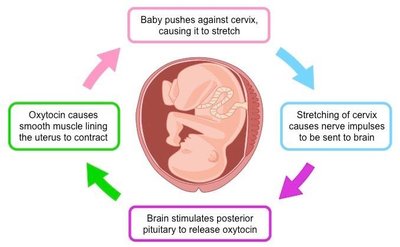
True labor is characterized by a positive feedback loop involving oxytocin and uterine contractions. This mechanism ensures the progression and intensification of labor until delivery occurs.
Fetal head stretches the cervix, sending nerve impulses to the maternal brain.
The posterior pituitary releases oxytocin in response, increasing uterine contractions.
Stronger contractions push the baby further, increasing cervical stretch and oxytocin release.
Key Point: Labor pains are primarily due to myometrial hypoxia during strong contractions.
Stages of Childbirth
Vaginal birth occurs in three main stages, each with distinct physiological events:
Cervical dilation: The longest stage; cervix widens to allow passage of the fetus.
Expulsion: Fetal head enters the birth canal; ends with delivery and cutting of the umbilical cord.
Afterbirth: Delivery of the placenta; may require manual or surgical removal if not expelled naturally.
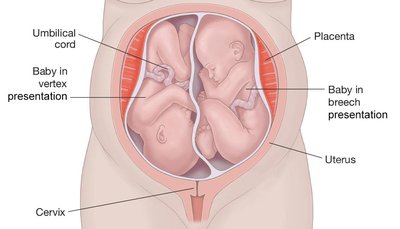
Example: Vertex presentation (head down) is optimal for birth; breech presentation (feet or buttocks first) may require intervention.
Postpartum Changes
After delivery, the body undergoes several changes to return to the pre-pregnancy state:
Involution: Uterine contractions shrink the uterus to its original size.
Lochia: Vaginal discharge following birth, consisting of blood, tissue, and cellular debris.
Lochia rubra: Red, blood-rich discharge for 2-3 days.
Lochia alba: Watery, whitish discharge for 1-2 weeks.
Additional info: The circulatory system reconfigures as fetal shunts close, and breastfeeding may be affected by anatomical variations such as frenulums.
Patterns of Inheritance
Chromosomes, Genotype, and Phenotype
Inheritance patterns are determined by the arrangement and expression of genes on chromosomes. Humans have 23 pairs of chromosomes: 22 pairs of autosomes and 1 pair of sex chromosomes.
Karyotype: A visual representation of all chromosomes in a cell.
Genotype: The genetic makeup or code of an individual.
Phenotype: The observable physical traits resulting from the genotype and environmental influences.
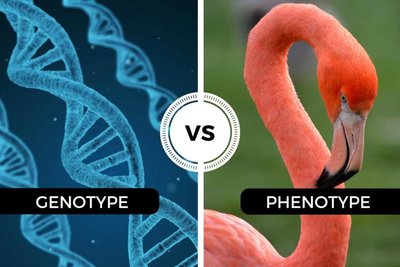
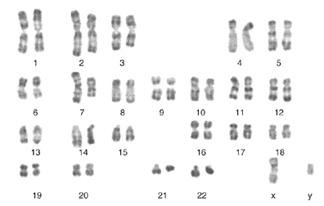
Example: Eye color, height, and blood type are phenotypes determined by specific genotypes.
Genes, Alleles, and Expression
Genes are segments of DNA that code for proteins. Each gene can have different forms, called alleles, which are inherited from each parent.
Allele: Alternative forms of a gene found at the same locus on homologous chromosomes.
Homozygous: Having two identical alleles for a gene (e.g., AA or aa).
Heterozygous: Having two different alleles for a gene (e.g., Aa).
Expression: When a gene is transcribed and translated into a protein.
Dominance: The allele that is expressed in the phenotype; may be complete, incomplete, or codominant.
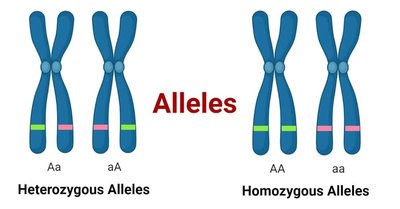
Example: Incomplete dominance results in a phenotype that is intermediate between the two alleles.
Punnett Squares and Probability
Punnett squares are used to predict the probability of offspring inheriting particular alleles from their parents. This tool is fundamental in understanding Mendelian inheritance patterns.
Dominant allele (B): Expressed if present.
Recessive allele (b): Expressed only if both alleles are recessive.
Probability calculation: Each parent contributes one allele; the Punnett square shows all possible combinations.
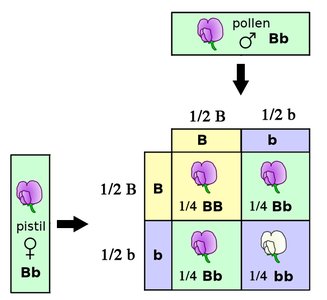
Example: Crossing two heterozygous (Bb) parents yields a 25% chance of homozygous recessive (bb) offspring.
Genetic Disorders
Genetic disorders can be inherited in various ways, including autosomal dominant, autosomal recessive, and X-linked patterns. Some disorders are caused by mutations or chromosomal abnormalities.
Autosomal dominant: Only one copy of the mutant allele is needed (e.g., Marfan syndrome).
Autosomal recessive: Two copies of the mutant allele are needed.
X-linked: Associated with genes on the X chromosome (e.g., colorblindness, Fragile X syndrome).
Lethal alleles: Cause death when present in certain combinations (e.g., Huntington’s disease).
Chromosome disorders: Abnormal number or structure of chromosomes (e.g., polyploidy).
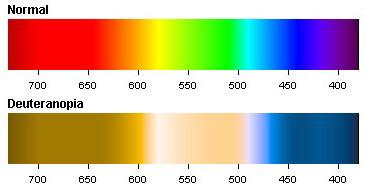
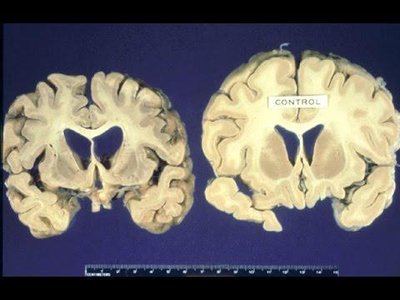
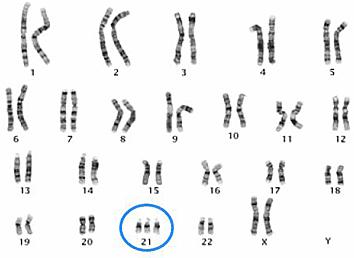
Additional info: Mutations can be spontaneous or induced by environmental factors, and chromosomal disorders often result in developmental abnormalities.
