 Back
Digestion, Absorption, and Disorders of the Digestive System
Study Guide - Smart Notes
 Tailored notes based on your materials, expanded with key definitions, examples, and context.
Digestion and Absorption
Overview of the Digestive System
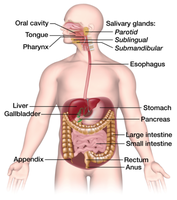
The digestive system is responsible for breaking down food into absorbable units and eliminating indigestible components. It consists of a series of organs that work together to process nutrients and expel waste.
Ingestion: The process of collecting nutrients into the digestive tract.
Mechanical breakdown: Physical processes such as chewing (mastication) and muscular contractions that mix and propel food.
Chemical breakdown: Enzymatic reactions that split food macromolecules into smaller units.
Absorption: Movement of digested nutrients into the blood or lymph.
Elimination: Removal of indigestible substances from the body.
From the Mouth to the Stomach
Digestion begins in the mouth, where food is mechanically broken down by chewing and chemically by enzymes in saliva. The food then travels through the pharynx and esophagus to the stomach, where it is mixed with gastric juices to form chyme.
Stomach functions:
Stores food
Mechanically and chemically breaks down food
Empties partially digested food into the small intestine
Time in stomach: Varies by macronutrient; high-fat or high-protein meals take longer to digest than carbohydrate-rich meals.
From the Stomach to the Small Intestine
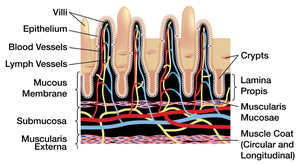
The small intestine is the primary site for nutrient absorption. Its structure, with folds, villi, and microvilli, greatly increases the surface area for absorption. Nutrients are absorbed into capillaries or lymphatic vessels within each microvillus.
From the Small Intestine to the Large Intestine
Indigestible food and fiber move from the small intestine to the large intestine (colon), where water and electrolytes are reabsorbed. The remaining material is eventually eliminated as feces.
Accessory Organs
Salivary glands: Secrete enzymes that begin carbohydrate digestion.
Pancreas: Produces digestive enzymes and bicarbonate to neutralize stomach acid.
Liver: Produces bile for fat emulsification and processes absorbed nutrients.
Gallbladder: Stores and releases bile into the small intestine.
Energy and Calories
Energy Balance and Metabolic Homeostasis
Energy is required for all biological processes. Metabolic homeostasis is achieved when nutrient intake matches energy expenditure. The liver plays a central role in storing and exporting nutrients depending on the body's fed or fasted state.
Energy: The capacity to do work, existing as potential (stored) or kinetic (movement) energy.
Forms of energy: Thermal, chemical, and electrochemical.
Calories as a Unit of Energy
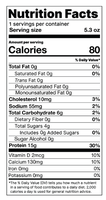
A calorie is the amount of energy needed to raise 1 gram of water by 1°C. In nutrition, the kilocalorie (kcal) is used, representing the energy to raise 1 kilogram of water by 1°C. Nutrition Facts panels list the kilocalories per serving of food.
Calculating Energy from Macronutrients
Carbohydrates: 4 kcal/gram
Protein: 4 kcal/gram
Fat: 9 kcal/gram
Alcohol: 7 kcal/gram
To calculate energy from protein in a serving:
To calculate the percentage of energy from protein:
Disorders of Digestion and Absorption
Gastroesophageal Reflux Disease (GERD)
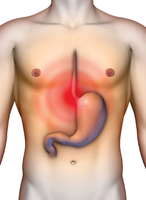
GERD is a chronic condition where stomach acid frequently flows back into the esophagus, causing symptoms such as heartburn and regurgitation. Management includes dietary and lifestyle changes, and in severe cases, surgery.
Irritable Bowel Syndrome (IBS)
IBS is characterized by muscle spasms in the colon, leading to abdominal pain, bloating, and changes in bowel habits (constipation and/or diarrhea). Diet and stress are major contributing factors. Treatment focuses on dietary adjustments, increased fiber, hydration, and exercise.
Celiac Disease
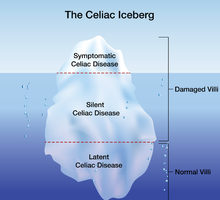
Celiac disease is an autoimmune disorder triggered by gluten, a protein found in wheat, barley, and rye. It leads to damage of the small intestine's villi, resulting in malabsorption and various gastrointestinal and systemic symptoms.
Diverticulitis
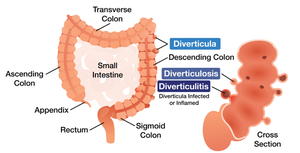
Diverticulitis occurs when small pouches (diverticula) in the colon wall become inflamed or infected. Symptoms include lower abdominal pain, nausea, and alternating constipation and diarrhea. Treatment may involve antibiotics and, in severe cases, hospitalization.
Colon Cancer
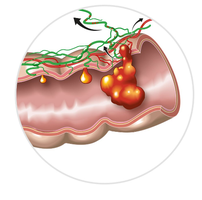
Colon cancer is a malignancy of the colon that develops slowly, often from benign polyps. Risk reduction strategies include a high-fiber diet, regular exercise, and routine screenings.
Food Allergies
Food allergies are immune responses to specific proteins in foods, affecting approximately 15 million Americans. Symptoms range from mild (tingling mouth, hives) to severe (anaphylaxis, loss of consciousness, death). Proper diagnosis and management are essential for safety.
Summary Table: Macronutrient Energy Values
Macronutrient | Energy Yield (kcal/gram) |
|---|---|
Carbohydrate | 4 |
Protein | 4 |
Fat | 9 |
Alcohol | 7 |
Key Takeaways
The digestive system breaks down food into absorbable units and eliminates waste.
Energy balance is essential for health; calories measure the energy content of food.
Disorders such as GERD, IBS, celiac disease, diverticulitis, and colon cancer can compromise digestion and absorption, impacting overall health.
Proper diet, lifestyle, and medical management are crucial for preventing and treating digestive disorders.
