 Back
BackDigestive System: Physiology, Alterations, and Nursing Care
Study Guide - Smart Notes
 Tailored notes based on your materials, expanded with key definitions, examples, and context.
Digestive System: Overview and Physiology
Concept of Digestion
Digestion is the physiological process by which food is broken down into smaller components that can be absorbed and utilized by the body. The digestive system consists of the gastrointestinal (GI) tract and accessory organs, each playing a specific role in the breakdown and absorption of nutrients.
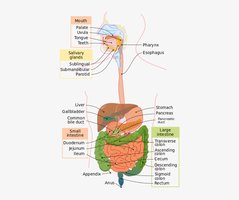
Components of the Digestive System: Includes the mouth, pharynx, esophagus, stomach, small intestine, large intestine, rectum, and anus.
Accessory Organs: Salivary glands, liver, gallbladder, and pancreas assist in digestion by producing enzymes and other substances.
Role: The digestive system is responsible for ingestion, propulsion, mechanical and chemical digestion, absorption, and elimination.
Example: The pancreas secretes digestive enzymes that help break down carbohydrates, proteins, and fats in the small intestine.
Alterations to Digestion
Common Clinical Manifestations
Alterations in digestion can lead to a variety of clinical symptoms and disorders, affecting nutrient absorption and overall health.
Nausea and Vomiting: Sensation of unease and expulsion of stomach contents, often due to irritation or infection.
Anorexia: Loss of appetite, which may be associated with chronic illness or psychological factors.
Gastroesophageal Reflux Disease (GERD): Backflow of stomach acid into the esophagus, causing heartburn and discomfort.
Hepatitis: Inflammation of the liver, often due to viral infection or toxins.
Malabsorption and Maldigestion: Impaired absorption or breakdown of nutrients, leading to deficiencies.
Pancreatitis: Inflammation of the pancreas, affecting enzyme production.
Pyloric Stenosis: Narrowing of the pylorus, obstructing gastric emptying.

Risk Factors and Genetic Considerations
Genetic and Environmental Influences
Early identification of risk factors is crucial for prevention and management of digestive disorders. Both genetic and environmental factors contribute to disease development.
Genetic Disorders: Chromosomal alterations can lead to conditions such as Crohn disease.
Hereditary Risk: Family history may increase risk for GERD, pyloric stenosis, celiac disease, and pancreatitis.
Environmental Factors: Diet, lifestyle, and exposure to toxins also play significant roles.
Health Promotion and Nursing Assessment
Promoting Healthy Digestion
Health promotion focuses on dietary choices, physical activity, and stress management to maintain optimal digestive function.
Balanced Diet: Adequate fiber, hydration, and nutrient intake support digestive health.
Exercise: Regular physical activity enhances GI motility.
Stress Reduction: Reduces risk of functional GI disorders.
Nursing Assessment
Assessment includes both subjective and objective data collection to identify digestive alterations.
Observation & Patient Interview: Gather information on symptoms, dietary habits, and medical history.

Physical Assessment: Inspect, auscultate, percuss, and palpate the abdomen for abnormalities.

Diagnostic Tests
Common Diagnostic Procedures
Various tests are used to evaluate digestive function and identify underlying disorders.
Upper GI Series (Barium Swallow): Radiographic examination of the upper GI tract after ingestion of barium.
Endoscopy: Direct visualization of the GI tract using a flexible scope.
Abdominal X-ray and CT Scan: Imaging to detect structural abnormalities.
Laboratory Tests: Amylase and lipase levels assess pancreatic function.

Interventions and Therapies
Pharmacologic Therapies
Medications are used to manage symptoms and treat underlying causes of digestive disorders.
Antacids: Neutralize stomach acid to relieve heartburn.
Antidiarrheals: Reduce frequency and urgency of bowel movements.
H2-Receptor Antagonists and Proton Pump Inhibitors: Decrease gastric acid secretion.
Promotility Agents: Enhance GI motility.
Antiemetics: Prevent or control nausea and vomiting.
Laxatives: Promote bowel movements in cases of constipation.
Collaborative Therapies
Interprofessional teams may implement nutrition therapy and advanced interventions for patients with significant digestive alterations.
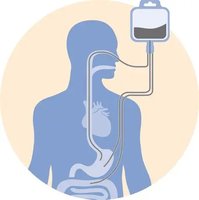
Enteral Nutrition: Delivers nutrients directly to the stomach or small intestine via tube feeding. Complications: Aspiration, tube displacement, infection.
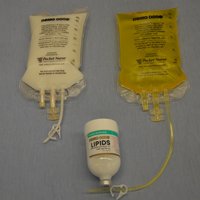
Total Parenteral Nutrition (TPN): Provides nutrients intravenously when GI tract is nonfunctional. Complications: Infection, metabolic disturbances, liver dysfunction.
Nonpharmacologic Therapy
Includes dietary modifications, physical activity, and behavioral interventions to support digestive health and manage symptoms.
Lifespan Considerations
Infants and Children
Digestive system is immature; common issues include regurgitation, colic, and food intolerances. Assessment and interventions must be age-appropriate.
Adolescents
Increased risk for eating disorders and functional GI complaints. Education on healthy eating and stress management is important.
Pregnant Women
Hormonal changes can cause nausea, vomiting, and altered GI motility. Nutritional support and symptom management are key.
Older Adults
Aging affects digestive function, including decreased saliva production, loss of teeth, reduced esophageal motility, and changes in GI tract structure. Nutritional requirements are lower, and interventions should focus on diet, exercise, and stress reduction.
Sample NCLEX Question
Question: A nursing student is reviewing interventions to reduce nausea in a newly post-op patient. Which intervention should be included in the plan?
A. Ask the client to sip fluids such as ginger ale
B. Encourage the client to take short, shallow breaths
C. Remove the NG tube 24 hours after surgery
D. If nausea occurs, place the client on their side
Correct Answer: A. Ask the client to sip fluids such as ginger ale
