 Back
Foundations of Human Anatomy: Introduction and Anatomical Terminology
Study Guide - Smart Notes
 Tailored notes based on your materials, expanded with key definitions, examples, and context.
Foundations: An Introduction to Anatomy
Definition and Scope of Anatomy
Anatomy is the scientific study of the structure of living organisms, with a focus on the human body. It encompasses both external and internal structures and examines the relationships between different body parts. Careful observation of anatomical structures provides essential clues about physiological functions.
External Anatomy: Study of structures visible on the body surface.
Internal Anatomy: Study of structures located beneath the surface.
Relationship to Physiology: Anatomical structures are closely linked to their physiological functions.
Definition and Scope of Physiology
Physiology is the study of how the body functions, focusing on the mechanisms that drive biological processes. There is a direct relationship between anatomical structure and physiological function.
Mechanisms: How body systems operate and interact.
Structure-Function Relationship: The form of a structure often determines its function.
Types of Anatomical Study
Microscopic Anatomy
Microscopic anatomy examines structures that cannot be seen without magnification. It includes:
Cytology: Study of cells.
Histology: Study of tissues.
Relationship: Cells form tissues, and tissues form organs.
Gross (Macroscopic) Anatomy
Gross anatomy studies structures visible to the naked eye. It includes:
Surface Anatomy: Study of external features and superficial markings.
Regional Anatomy: Study of all structures in a specific area (e.g., head, neck, trunk).
Systemic Anatomy: Study of organ systems (e.g., digestive, cardiovascular).
Other Types of Anatomical Studies
Developmental Anatomy: Examines structural changes over time, including embryology (early development).
Comparative Anatomy: Compares anatomical similarities and differences among animals.
Clinical Anatomy: Studies anatomical changes during illness.
Surgical Anatomy: Identifies landmarks important for surgery.
Radiographic Anatomy: Uses imaging (X-ray, CT, MRI, ultrasound) to study anatomy.
Cross-sectional Anatomy: Uses imaging to study body sections.
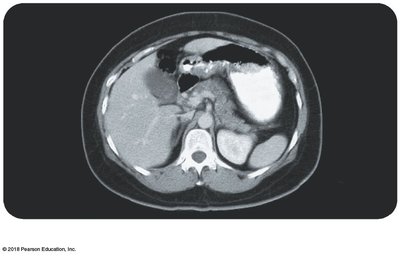
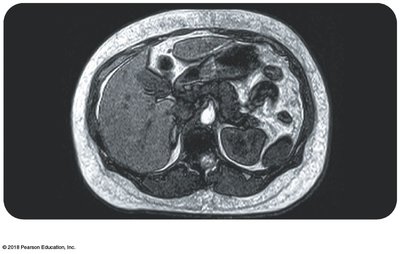
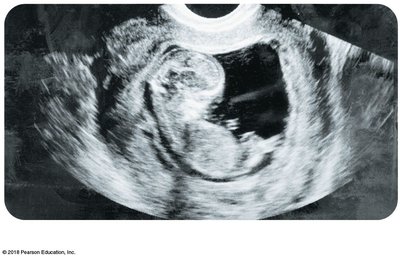
Levels of Organization in the Human Body
Hierarchical Structure
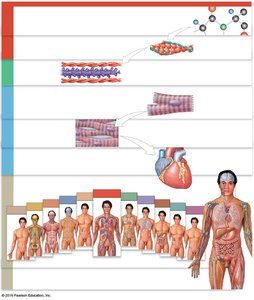
The human body is organized into increasing levels of complexity:
Chemical/Molecular Level: Atoms combine to form molecules. Four elements (hydrogen, oxygen, carbon, nitrogen) make up 99% of the body. Major compounds include water (66%), proteins (20%), lipids (10%), and carbohydrates (3%).
Cellular Level: Cells are the smallest living units, containing organelles.
Tissue Level: Groups of similar cells and surrounding material (e.g., epithelial, muscular, neural, connective tissues).
Organ Level: Two or more tissues working together (e.g., the heart).
Organ System Level: Groups of organs performing related functions (e.g., digestive system).
Organism Level: All organ systems working together to maintain life.
Introduction to Organ Systems
Overview of Human Organ Systems
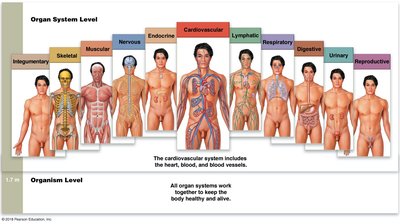
The human body consists of 11 organ systems, each with specific functions essential for survival:
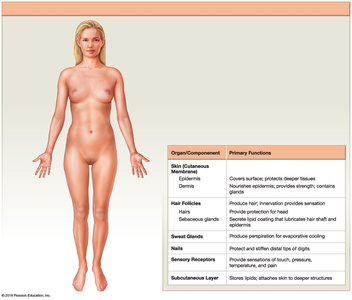
Integumentary System: Protection, temperature regulation.
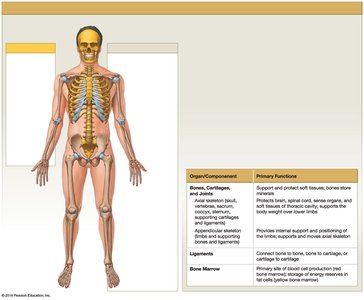
Skeletal System: Support, protection, blood cell formation.
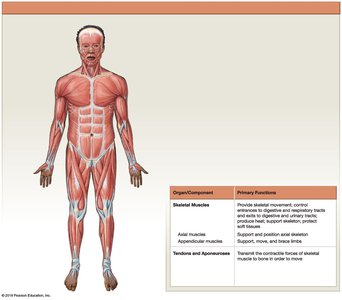
Muscular System: Movement, support, heat production.
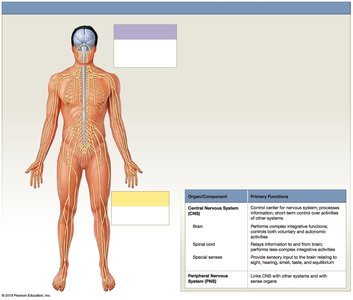
Nervous System: Immediate response, coordination.
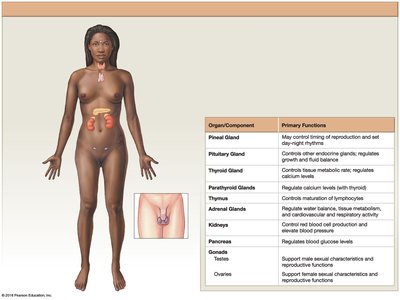
Endocrine System: Long-term regulation via hormones.
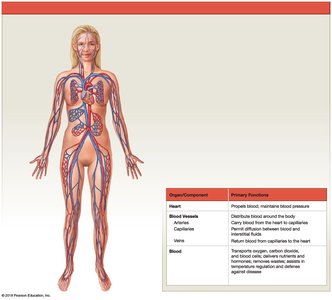
Cardiovascular System: Transport of cells and materials.
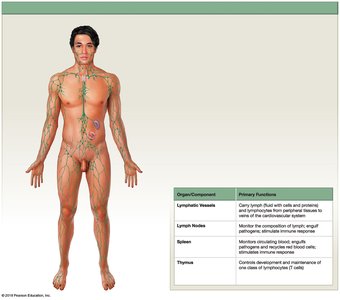
Lymphatic System: Defense, fluid return.
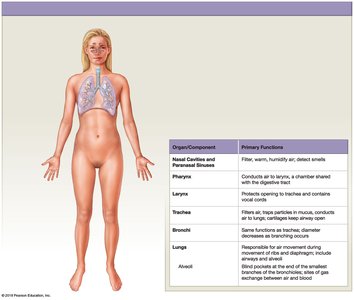
Respiratory System: Gas exchange, sound production.
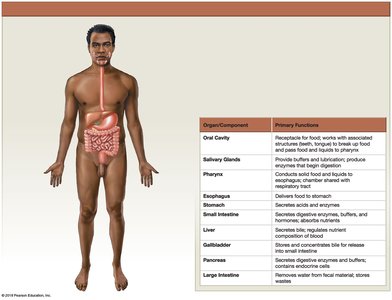
Digestive System: Food processing, nutrient absorption.
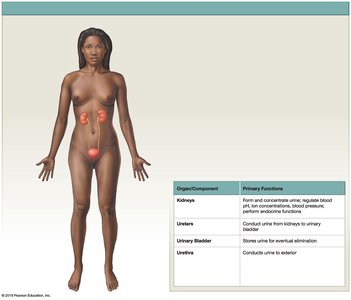
Urinary System: Waste elimination, water balance.
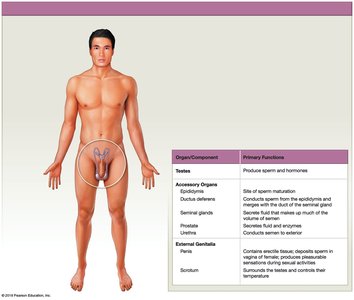
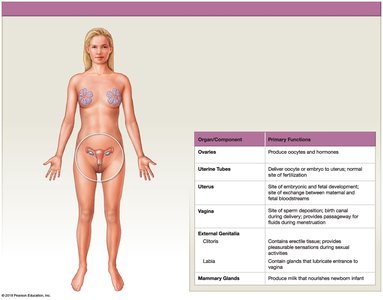
Reproductive System: Production of sex cells, offspring development.
The Language of Anatomy
Importance of Anatomical Terminology
Precise anatomical terms, often derived from Latin and Greek, are essential for clear communication in healthcare and science. These terms describe body positions, regions, and directions.
Anatomical Position and Landmarks
Anatomical Position: Standing upright, feet flat, arms at sides, palms facing forward.
Supine: Lying face up.
Prone: Lying face down.

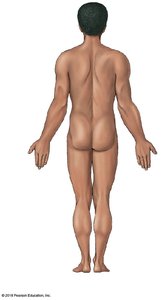
Major Anatomical Regions
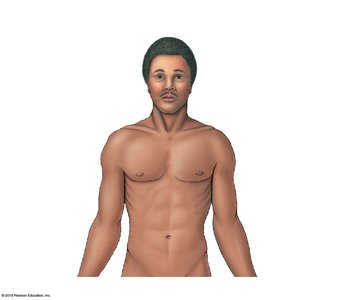
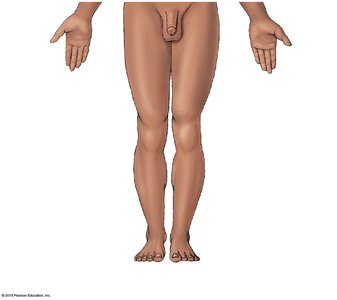
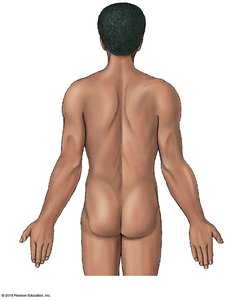
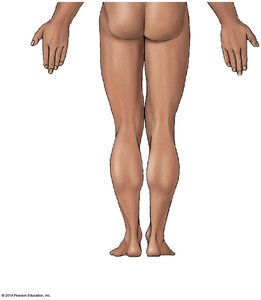
The body is divided into regions for descriptive purposes. Key regions include the head (cephalic), neck (cervical), trunk (thoracic, abdominal, pelvic), upper limb (brachial, antebrachial), and lower limb (femoral, crural).
Abdominopelvic Regions and Quadrants
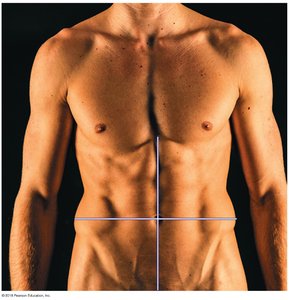
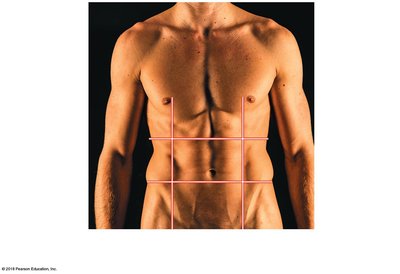
The abdomen and pelvis are divided for clinical and anatomical reference:
Quadrants: Right Upper (RUQ), Left Upper (LUQ), Right Lower (RLQ), Left Lower (LLQ).
Regions: Nine regions for more precise localization (e.g., epigastric, umbilical, hypogastric).
Directional Terms
Directional terms describe the location of structures relative to others:
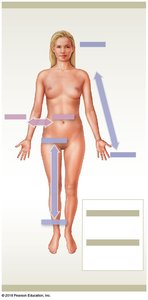
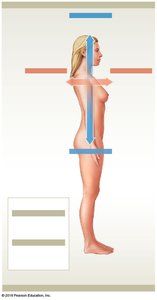
Superior/Inferior: Above/below.
Anterior (Ventral)/Posterior (Dorsal): Front/back.
Medial/Lateral: Toward/away from midline.
Proximal/Distal: Closer to/farther from attachment point.
Superficial/Deep: Toward/away from body surface.
Cranial/Caudal: Toward the head/tail.
Sectional Anatomy
Planes and Sections
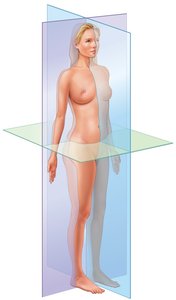
Sectional anatomy involves dividing the body or organs into planes for study:
Sagittal Plane: Divides body into left and right (midsagittal = equal, parasagittal = unequal).
Transverse Plane: Divides body into superior and inferior (horizontal).
Frontal (Coronal) Plane: Divides body into anterior and posterior.
Serial Reconstruction
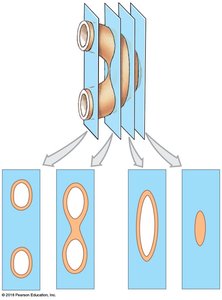
Serial reconstruction involves creating a series of sections at small intervals to study three-dimensional structures.
Body Cavities
Major Body Cavities
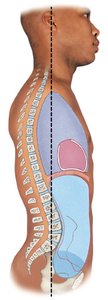
The body contains major cavities that house and protect organs:
Posterior (Dorsal) Cavity: Cranial cavity (brain), spinal cavity (spinal cord).
Anterior (Ventral) Cavity: Thoracic cavity (pleural and pericardial cavities), abdominopelvic cavity (abdominal and pelvic cavities).
Subdivisions and Serous Membranes
Thoracic Cavity: Contains pleural (lungs) and pericardial (heart) cavities.
Abdominopelvic Cavity: Contains abdominal (digestive organs) and pelvic (urinary, reproductive) cavities.
Serous Membranes: Line body cavities and reduce friction (pleura, pericardium, peritoneum).
Additional info: Understanding anatomical terminology and body organization is foundational for all further study in anatomy and physiology. Mastery of these concepts is essential for effective communication and clinical practice.
