 Back
BackHealth Behaviors, Health Beliefs, and Lifestyle Medicine: Foundations for Patient-Centered Care
Study Guide - Smart Notes
 Tailored notes based on your materials, expanded with key definitions, examples, and context.
Introduction to Health Psychology and Patient-Centered Care
Defining Health and Health Psychology
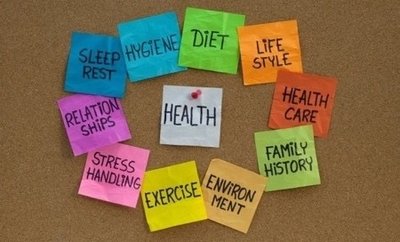
Health is defined by the World Health Organization as a state of complete physical, mental, and social well-being, not merely the absence of disease or infirmity. Health psychology is the study of psychological and behavioral processes in health, illness, and healthcare. It emphasizes the role of beliefs, attitudes, and behaviors in health outcomes and utilizes the biopsychosocial model to understand patient care.
Patient-centered care involves a partnership among practitioners, patients, and families, ensuring that decisions respect patients’ wants, needs, and preferences.
Health psychology considers both patient and provider beliefs about health and illness.
The Biopsychosocial Model of Health
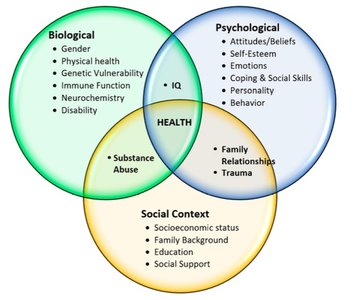
This model integrates biological, psychological, and social factors in understanding health and illness. It recognizes that health is influenced by a complex interplay of these domains.
Biological factors: Genetics, physical health, immune function, neurochemistry
Psychological factors: Attitudes, beliefs, emotions, coping skills, personality
Social context: Socioeconomic status, education, social support, family background
Health Behaviors and Health Beliefs
Defining Health Behaviors
Health behaviors are actions or inactions taken by individuals that affect their health or well-being, or their ability to treat or prevent illness or injury. Examples include diet, exercise, medication adherence, and stress management.
In chronic diseases like diabetes, daily health behaviors (e.g., glucose monitoring, medication use, dietary choices, physical activity) are essential for management.
Understanding and influencing health behaviors is a key role for healthcare professionals.
Health Beliefs
Health beliefs refer to a person’s perception of the risk or severity of an illness or injury. These beliefs influence whether individuals engage in preventive or therapeutic health behaviors.
Examples: Believing that exercise reduces heart disease risk, or that illness is due to fate or genetics.
Self-Efficacy and Locus of Control
Self-Efficacy
Self-efficacy is the confidence an individual has in their ability to successfully carry out a specific behavior. High self-efficacy is strongly associated with successful behavior change.
Low self-efficacy leads to lower expectations of success and greater influence from situational temptations.
Healthcare providers can support self-efficacy through demonstration, teach-back, and positive reinforcement.

Factors Influencing Self-Efficacy
Persuasion by others: Encouragement from healthcare providers, family, or peers
Observing others’ behaviors: Seeing others succeed increases confidence
Previous experience: Past success with a behavior increases confidence
Direct physiological feedback: Experiencing benefits reinforces the behavior
Locus of Control
Locus of control is a person’s belief about what influences their health outcomes.
Internal locus of control: Belief that outcomes are under one’s own control (e.g., through exercise or diet)
External locus of control: Belief that outcomes are due to external factors (e.g., genetics, fate, luck)
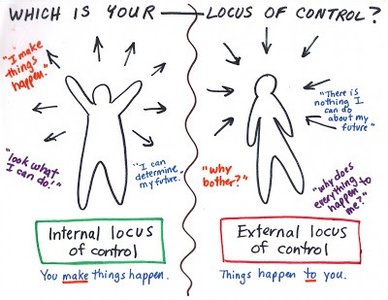
Why it matters: Patients with an internal locus of control are more likely to engage in health-promoting behaviors. Healthcare professionals can help patients recognize behaviors they can influence and support their confidence in managing health.
The Health Belief Model (HBM)
Overview and Key Components
The Health Belief Model is a framework for understanding why individuals choose to engage or not engage in health behaviors. It posits that people are more likely to take action if they believe they are at risk, the condition is serious, action will reduce risk, and benefits outweigh barriers.
Component | What it Means | Example |
|---|---|---|
Perceived Susceptibility | Belief about likelihood of developing a condition | "Heart disease runs in my family—I might be at risk too." |
Perceived Severity | Belief about seriousness of the condition | "If I don’t manage my blood pressure, it could lead to a stroke." |
Perceived Benefits | Belief that a behavior will reduce risk or improve health | "Walking regularly could help lower my blood pressure." |
Perceived Barriers | Obstacles that make behavior change difficult | "Healthy food is expensive and I don’t have much time to cook." |
Cues to Action | Triggers that prompt action | Provider recommendation, lab result, family illness |
Transtheoretical Model (TTM): Stages of Change
Stages of Change
The Transtheoretical Model (TTM) describes how individuals move through stages when changing a health behavior. Change is viewed as a process, not a single event, and individuals may move forward, remain in a stage, or relapse.
Precontemplation: No intention to change in the foreseeable future; may be unaware of consequences
Contemplation: Intending to change in the next 6 months; ambivalent about change
Preparation: Ready to change in the next 30 days; planning steps
Action: Actively making the change (within last 6 months)
Maintenance: Sustained change for at least 6 months; working to prevent relapse
Relapse can occur at any stage; focus on understanding and empathy.
Decisional Balance
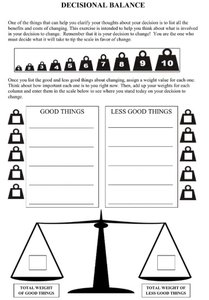
Individuals weigh the pros and cons of changing versus not changing a behavior. This process helps clarify motivation and barriers.
Lifestyle Medicine: Six Pillars
Definition and Pillars
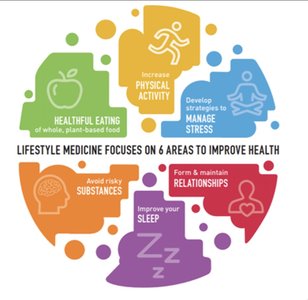
Lifestyle medicine is an evidence-based medical specialty that uses therapeutic lifestyle interventions to treat, reverse, and prevent chronic conditions. It is grounded in six interconnected pillars:
Optimal Nutrition: Emphasizes minimally processed foods, fruits, vegetables, whole grains, legumes, nuts, and seeds
Physical Activity: Regular movement; adults should aim for ~150 minutes of moderate activity per week
Restorative Sleep: 7–9 hours per night for most adults
Stress Management: Healthy coping strategies to manage chronic stress
Connectedness: Social relationships and community support
Avoidance of Risky Substances: Limiting tobacco, excessive alcohol, and other substances
SMART Goals for Health Behavior Change
SMART Goal Framework
SMART goals are used to set clear, achievable objectives for behavior change. Each goal should be:
Specific: Clearly define what you want to achieve
Measurable: Identify how you will track progress or success
Attainable: Ensure the goal is realistic and achievable
Relevant: The goal should matter to you and align with your priorities
Time-Bound: Set a clear timeframe for achieving the goal
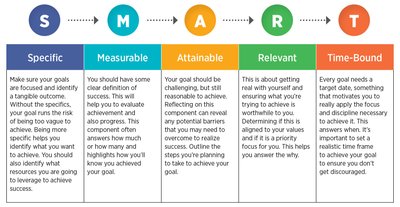
Example: "I will eat 20 grams of fiber at least three days per week for the next four weeks." This goal is specific, measurable, attainable, relevant, and time-bound.
Key Takeaways
Health behaviors are influenced by beliefs, self-efficacy, and social/cultural factors.
Behavior change is a process, often requiring support and structured frameworks.
Models such as the Health Belief Model and Transtheoretical Model help guide patient-centered care.
Lifestyle medicine focuses on modifying behaviors to prevent and manage chronic disease.
SMART goals and action steps translate intentions into realistic behavior changes.
