 Back
Homeostasis and Feedback Mechanisms in Human Physiology
Study Guide - Smart Notes
 Tailored notes based on your materials, expanded with key definitions, examples, and context.
Homeostasis: The Central Theme of Physiology
Definition and Importance
Homeostasis is the condition of equilibrium, or balance, in the body’s internal environment. It is a central concept in physiology, ensuring that the body’s internal conditions remain stable despite changes in the external environment.
Regulatory processes maintain homeostasis by constantly monitoring and adjusting physiological variables.
Examples include regulation of body temperature, blood glucose, and fluid balance.
Body Fluids and Homeostasis
The survival of body cells depends on the precise regulation of the chemical composition of their surrounding fluids.
Intracellular fluid (ICF): Fluid found within all body cells.
Extracellular fluid (ECF): Fluid outside cells, subdivided into:
Interstitial fluid (IF): Fluid between cells.
Blood plasma: Fluid portion of blood.
Homeostatic Control Systems
Basic Components
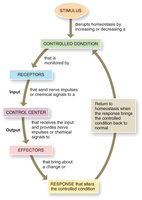
To maintain homeostasis, the body uses control systems that:
Detect deviations from normal (stimulus detection)
Integrate this information with other data
Make adjustments to restore normal conditions
Each system involves three main components:
Receptor: Detects changes in a variable (stimulus) and sends information to the control center via the afferent pathway.
Control Center: Interprets input from the receptor and initiates changes through the effector. This is often a part of the nervous system or an endocrine organ.
Effector: Brings about changes to alter the stimulus and restore balance.
Feedback Systems in Homeostasis
Types of Feedback
When homeostasis is disrupted, the body uses feedback systems to restore balance. There are two main types:
Negative Feedback: The response reverses the direction of the stimulus, maintaining variables within a normal range (set point).
Positive Feedback: The response enhances or amplifies the stimulus, moving the variable further from the original value until a specific event concludes the process.
Negative Feedback
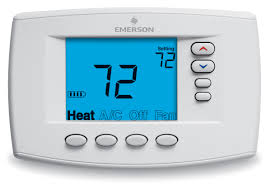
Negative feedback is the most common homeostatic control mechanism. It maintains variables within a normal range by producing a response in the opposite direction of the stimulus.
If a variable increases, the system acts to decrease it.
If a variable decreases, the system acts to increase it.
The variable fluctuates around a set point.
Examples of Negative Feedback:
Withdrawal reflex in response to injury
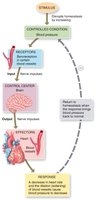
Regulation of heart rate and blood pressure during exercise
Changing breathing rate in response to increased carbon dioxide
Parathyroid hormone release in response to decreased calcium
Release of insulin by the pancreas in response to increased blood glucose
Positive Feedback
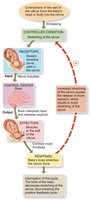
Positive feedback mechanisms move the stimulus in the same direction, amplifying the change until a climactic event occurs. These are less common than negative feedback mechanisms and do not maintain a set point.
Once the event is completed, the feedback loop is terminated.
Examples of Positive Feedback:
Blood clotting cascade
Uterine contractions during labor
Breastfeeding (milk let-down reflex)
Summary Table: Comparison of Negative and Positive Feedback
Feature | Negative Feedback | Positive Feedback |
|---|---|---|
Direction of Response | Opposite to stimulus | Same as stimulus |
Set Point | Maintained | Not maintained |
Frequency | Common | Rare |
Examples | Blood glucose regulation, temperature control | Labor contractions, blood clotting |
