 Back
BackImmune Responses: Viral, Bacterial, and Cancer Cell Defense & Clinical Blood Analysis
Study Guide - Smart Notes
 Tailored notes based on your materials, expanded with key definitions, examples, and context.
The Immune Response to the Common Cold
Overview of Viral Entry and Initial Defense
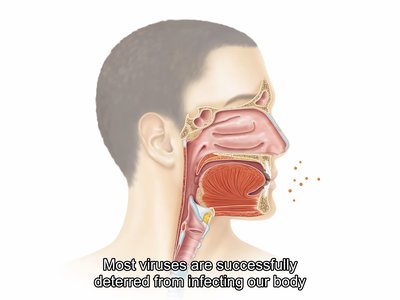
The human body is constantly exposed to viruses, such as those causing the common cold. Most viruses are successfully deterred from infecting our body by the innate immune system, which includes physical barriers and immune cells that act as the first line of defense.
Infection of Epithelial Cells
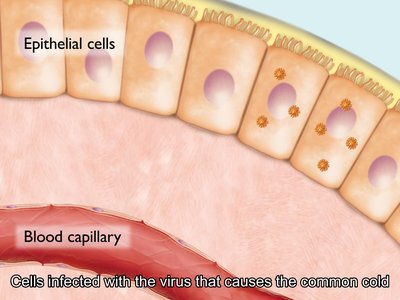
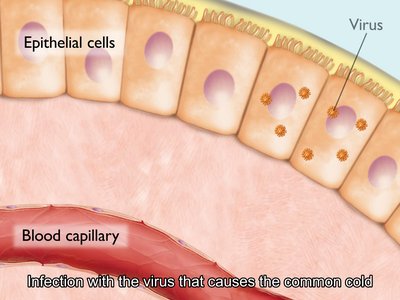
When viruses bypass the initial barriers, they infect epithelial cells lining the respiratory tract. These infected cells become the site of viral replication and trigger an immune response.
Epithelial cells form a protective layer and are the first to be infected by respiratory viruses.
Infected cells release signals that attract immune cells to the site of infection.
Spread of Infection and Immune Activation
As the virus multiplies, it can spread to neighboring cells. The immune system detects viral particles and mounts a targeted response.
Viral antigens are recognized by immune cells, initiating both innate and adaptive immune responses.
Activation of B cells and T cells occurs in lymphoid tissues and organs, leading to the production of antibodies and cytotoxic responses.
The Immune Response to Bacterial Infections
Recognition and Elimination of Bacteria
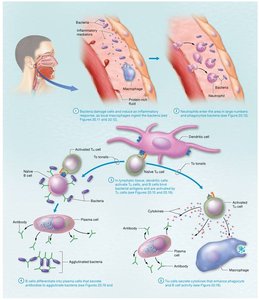
Bacterial infections trigger a robust immune response involving both innate and adaptive immunity. Neutrophils and macrophages are rapidly recruited to the site of infection, where they phagocytose bacteria and release inflammatory mediators.
Neutrophils are the first responders to bacterial invasion and are highly effective at killing bacteria.
Macrophages engulf and digest bacteria, present antigens to T cells, and secrete cytokines to amplify the immune response.
B cells produce antibodies that neutralize bacteria and facilitate their clearance.
The Immune Response to Cancer Cells
Immune Surveillance and Destruction of Cancer Cells
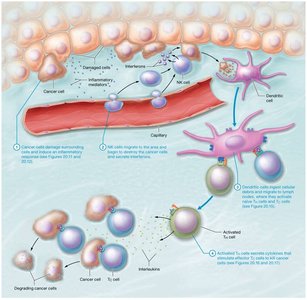
The immune system continuously monitors for abnormal cells, including cancer cells. When detected, immune cells such as natural killer (NK) cells and cytotoxic T cells target and destroy these cells to prevent tumor development.
NK cells recognize and kill cells lacking normal self-markers.
Dendritic cells present tumor antigens to T cells, activating cytotoxic responses.
Cytotoxic T cells specifically target and induce apoptosis in cancer cells.
Clinical Application: Complete Blood Count with Differential
Purpose and Interpretation of CBC with Differential
A complete blood count (CBC) with differential is a common laboratory test used to assess the immune status of a patient. It measures the total number of leukocytes (white blood cells) and the relative proportions of different leukocyte types, providing clues about the underlying cause of inflammation or infection.
Neutrophilia (elevated neutrophils): Suggests bacterial infection.
Lymphocytosis (elevated lymphocytes): Suggests viral infection.
Eosinophilia (elevated eosinophils): Suggests parasitic infection or allergic reaction.
While an elevated leukocyte count indicates inflammation, the differential helps narrow down the cause by identifying which cell types are most increased.
Leukocyte Type | Elevated in | Clinical Significance |
|---|---|---|
Neutrophils | Bacterial infections | First responders to bacteria; phagocytosis |
Lymphocytes | Viral infections | Adaptive immunity; antibody and cytotoxic responses |
Eosinophils | Parasitic infections, allergies | Defense against parasites; allergic reactions |
Summary Table: Immune Response Patterns
Pathogen/Condition | Dominant Leukocyte | Example |
|---|---|---|
Bacteria | Neutrophils | Streptococcus pneumoniae |
Virus | Lymphocytes | Rhinovirus (common cold) |
Parasite/Allergy | Eosinophils | Ascaris lumbricoides, pollen allergy |
Additional info: The CBC with differential is a critical tool in clinical diagnosis, helping physicians distinguish between different causes of infection and inflammation based on the immune cell profile.
