 Back
BackInfections of the Cardiovascular and Circulatory System
Study Guide - Smart Notes
 Tailored notes based on your materials, expanded with key definitions, examples, and context.
Infections of the Cardiovascular and Circulatory System
Overview of Cardiovascular Infections
The cardiovascular and circulatory systems are susceptible to a variety of infectious diseases caused by bacteria, viruses, fungi, and protozoa. These infections can affect the heart, blood vessels, and associated tissues, leading to significant morbidity and mortality if not promptly diagnosed and treated.
Bacterial Infections of the Heart
Endocarditis
Definition: Inflammation of the endocardium, the inner lining of the heart or its valves.
Causes: Most commonly bacterial (e.g., Staphylococcus, Streptococcus), but can also be fungal.
Symptoms: Fatigue, weakness, fever, chills, weight loss, blood in urine, muscle aches.
Treatment: Varies depending on the causative organism; often requires prolonged antibiotic therapy.
Myocarditis
Definition: Inflammation of the myocardium, the muscular layer of the heart.
Causes: Typically viral or parasitic infections.
Symptoms: Chest pain, fever, shortness of breath, leg swelling, arrhythmias, congestive heart failure.
Pericarditis
Definition: Inflammation of the pericardium, the sac surrounding the heart.
Causes: Usually a complication of viral infection.
Symptoms: Chest pain, difficulty breathing when reclining, dry cough, anxiety, fatigue, fever.
Bloodborne Infectious Diseases and Microbemia
Bloodborne Infectious Diseases
Transmission: Spread by contaminated blood or bodily fluids; high risk in healthcare and emergency response occupations.
Key Pathogens: HIV, Hepatitis B, Hepatitis C, and viruses causing hemorrhagic fevers.
Microbemia
Definition: Presence of microorganisms in the bloodstream, often entering via lymphatic drainage.
Symptoms: Fever, chills, rigors, sweating, malaise, fatigue.
Treatment: Intravenous broad-spectrum antibiotics.
Lymphatic Drainage
The lymphatic system drains excess fluid from tissues and returns it to the cardiovascular system, playing a crucial role in immune defense and the spread of infections.
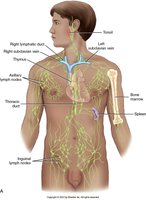
Septicemia and Related Conditions
Septicemia
Definition: A toxic condition caused by the spread of bacteria or their toxins from a local infection site into the bloodstream.
Symptoms: Loss of appetite, fever, chills, rapid breathing and heart rate, lethargy or agitation.
Complications: May progress to septic shock; high mortality rate (up to 50%).
Bacteremia vs. Septicemia
Bacteremia: Presence of bacteria in the blood, often transient and less severe.
Septicemia: Systemic, toxic response to bacteria or their toxins in the blood, requiring urgent medical intervention.
Other Bacterial Diseases Affecting the Circulatory System
Rheumatic Fever
Definition: Inflammatory disease following group A streptococcal infection.
Symptoms: Joint pain, fever, chest pain, carditis, rash, subcutaneous nodules.
Treatment: Long-term antibiotics, restricted physical activity.
Gangrene
Definition: Death of tissue due to loss of blood supply (ischemia) and subsequent infection.
Types: Dry, wet, internal (white), and gas gangrene.
Treatment: Removal of necrotic tissue, hyperbaric oxygen therapy; antibiotics alone are insufficient.
Atherosclerosis and Infection
Definition: Plaque buildup in blood vessels; certain bacteria and viruses are linked to atheroma formation.
Key Organisms: Chlamydia pneumoniae, Staphylococcus, Mycoplasma, Helicobacter, Streptococcus, Enterobacter.
Zoonotic and Vector-Transmitted Infections
Zoonotic Bacterial Infections
Definition: Diseases transmitted from vertebrate animals to humans.
Examples: Brucellosis, tularemia, cat scratch disease, rat-bite fever.
Brucellosis (Undulant Fever)
Cause: Brucella species; primarily affects livestock.
Symptoms: Flu-like; rare person-to-person transmission.
Treatment: Antibiotics.
Tularemia
Cause: Francisella tularensis; transmitted by contact with infected animals.
Symptoms: Fever, chills, headache, fatigue, muscle and joint pain.
Cat Scratch Disease
Cause: Bartonella henselae; transmitted by cat scratches or bites.
Symptoms: Fever, fatigue, malaise, headache.
Rat-Bite Fever
Transmission: Bite or scratch from infected rodent, or ingestion of contaminated food/water.
Symptoms: Chills, fever, vomiting, joint pain, headache.
Treatment: Antibiotics (penicillin, erythromycin, tetracycline).
Vector-Transmitted Diseases
General Overview
Vectors: Animals (often insects) that transmit infectious diseases (e.g., flies, ticks, fleas, mites, rats).
Significance: Major contributors to human morbidity and mortality worldwide.
Plague
Cause: Yersinia pestis; transmitted by fleas from infected rodents.
Types: Bubonic, septicemic, pneumonic.
Prevention: Vaccines available; recovery provides immunity.
Rocky Mountain Spotted Fever
Cause: Rickettsia rickettsii; transmitted by ticks.
Symptoms: Fever, nausea, headache, muscle pain, rash, abdominal pain.
Treatment: Immediate antibiotics; mortality 3–5% despite treatment.
Lyme Disease
Cause: Borrelia burgdorferi; transmitted by blacklegged tick bites.
Symptoms: Skin rash, fever, fatigue, headache, muscle pain; can progress to joint, heart, and nervous system involvement if untreated.
Treatment: Early antibiotics; late-stage may cause severe arthritis.
Ehrlichiosis
Cause: Ehrlichia species; transmitted by Lone Star tick.
Symptoms: Fever, headache, malaise, muscle aches; severe cases may involve renal failure, respiratory distress, seizures, coma.
Treatment: Immediate antibiotics.
Typhus
Epidemic Typhus: Rickettsia prowazekii; transmitted by body louse; high mortality if untreated.
Endemic Typhus: Rickettsia typhi; transmitted by rat flea; milder symptoms.
Scrub Typhus: Orientia tsutsugamushi; transmitted by chiggers.
Relapsing Fever
Cause: Borrelia recurrentis; transmitted by lice and ticks.
Symptoms: Recurrent fever episodes; prevalent in overcrowded, unhygienic conditions.
Treatment: Antibiotics.
Viral, Fungal, and Protozoan Infections
Infectious Mononucleosis
Cause: Epstein-Barr virus (EBV; human herpesvirus 4).
Symptoms: Sore throat, fever, fatigue, swollen lymph nodes, sometimes splenomegaly or liver involvement.
Transmission: Saliva contact.
Treatment: Supportive care (rest, fluids).
Cytomegalovirus (CMV) Infections
Cause: Human herpesvirus 5.
Transmission: Direct contact; can cross placenta.
Risks: Permanent disabilities in infants; healthy immune systems usually prevent severe disease.
Viral Hemorrhagic Fevers
Definition: Febrile illnesses with vascular damage and bleeding disorders; can be life-threatening.
Transmission: Contact with infected animals or their secretions.
Symptoms: Fever, vascular damage, bleeding, shock, death in severe cases.
Fungal Infections (Systemic Mycoses)
Definition: Fungal infections affecting internal organs; higher risk in immunocompromised individuals.
Treatment: Systemic antifungals; prognosis depends on immune status.
Protozoan Infections
Challenges: Difficult to treat once in the circulatory system due to toxicity of drugs.
Malaria
Cause: Plasmodium species; transmitted by mosquito bites.
Symptoms: Range from mild to severe; fever, chills, anemia.
Transmission: Also possible via blood transfusion or needle sharing.
Babesiosis
Cause: Babesia species; tick-borne, malaria-like illness.
Symptoms: Often mild or asymptomatic; severe cases cause high fever, chills, anemia.
Treatment: Atovaquone with azithromycin or clindamycin with quinine.
Toxoplasmosis
Cause: Toxoplasma gondii; reproductive cycle in cats.
Transmission: Undercooked meat, untreated water, fecal-oral, mother-to-fetus, organ transplant, blood transfusion.
Treatment: Usually not required except for pregnant or immunocompromised individuals.
American Trypanosomiasis (Chagas’ Disease)
Cause: Trypanosoma cruzi; transmitted by insect vectors in the Americas.
Symptoms: Acute and chronic phases; can be life-threatening if untreated.
Treatment: Antiparasitic and symptomatic treatments; no vaccine available.
Leishmaniasis
Cause: Leishmania species; transmitted by female sandflies.
Forms: Visceral, cutaneous, diffuse cutaneous, mucocutaneous.
Treatment: Available, but some species are drug-resistant.
