 Back
BackIntroduction to Anatomy and Physiology: Core Concepts and Systems
Study Guide - Smart Notes
 Tailored notes based on your materials, expanded with key definitions, examples, and context.
Introduction to Anatomy and Physiology
Overview of Anatomy and Physiology
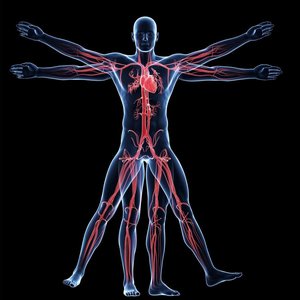
Anatomy and physiology are foundational sciences in understanding the structure and function of the human body. Anatomy is the study of the structure of body parts and their relationships, while physiology focuses on the functions of these parts and how they work together to sustain life. The integration of form and function is central to the study of the human body.


Branches of Anatomy and Physiology
There are several specialized branches within anatomy and physiology, each focusing on different aspects of the body and its functions.
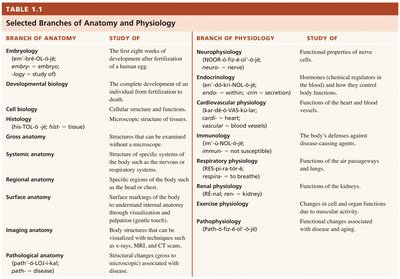
Branch of Anatomy | Study Of | Branch of Physiology | Study Of |
|---|---|---|---|
Embryology | Development from fertilization to birth | Neurophysiology | Functional properties of nerve cells |
Cell Biology | Cellular structure and function | Endocrinology | Hormone function and regulation |
Gross Anatomy | Structures visible to the naked eye | Cardiovascular Physiology | Heart and blood vessel function |
Systemic Anatomy | Structures of specific systems | Immunology | Body's defense mechanisms |
Regional Anatomy | Specific regions of the body | Respiratory Physiology | Functions of the airways and lungs |
Surface Anatomy | Surface markings of the body | Renal Physiology | Kidney function |
Imaging Anatomy | Internal structures via imaging | Exercise Physiology | Changes during exercise |
Pathological Anatomy | Structural changes in disease | Pathophysiology | Functional changes in disease |
Levels of Structural Organization
Hierarchy of Organization
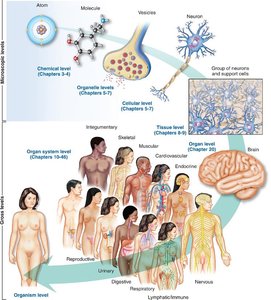
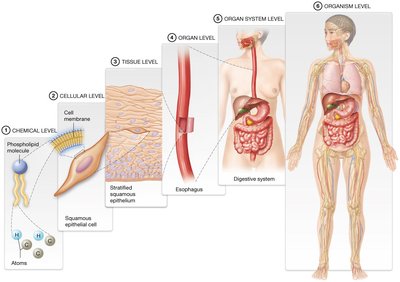
The human body is organized into a hierarchy of structural levels, from the smallest chemical building blocks to the entire organism. Understanding these levels is essential for grasping how the body functions as a whole.
Chemical Level: Atoms and molecules essential for life
Cellular Level: Cells, the basic units of life
Tissue Level: Groups of similar cells performing specific functions
Organ Level: Structures composed of two or more tissue types
Organ System Level: Groups of organs working together
Organism Level: The complete living being
Body Systems Overview
Major Organ Systems and Their Functions
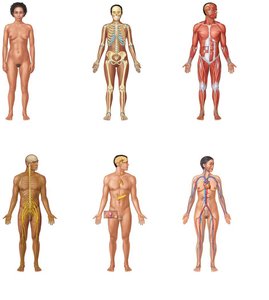
The human body consists of several organ systems, each with specific functions vital to survival and homeostasis. Below is a summary of the major systems and their primary roles:
Integumentary System: Protection, vitamin D production, water retention, temperature regulation
Skeletal System: Support, protection, movement, blood cell production, calcium storage
Muscular System: Movement, control of body openings, heat generation
Nervous System: Regulation, sensation, movement, higher mental functions
Endocrine System: Hormonal regulation of body functions
Cardiovascular System: Transport of blood, nutrients, wastes, and gases
Lymphatic System: Immunity, fluid return to cardiovascular system
Respiratory System: Gas exchange, acid-base balance
Digestive System: Digestion, nutrient absorption, waste removal
Urinary System: Waste removal, fluid and electrolyte balance
Reproductive Systems: Production of gametes, hormone secretion, fetal development (female)

Characteristics of Living Organisms
Defining Life
All living organisms share several key characteristics that distinguish them from non-living matter:
Cellular Composition: Composed of one or more cells
Metabolism: Chemical reactions for energy and synthesis
Growth: Increase in size and number of cells
Excretion: Removal of metabolic waste
Responsiveness: Ability to sense and respond to stimuli
Movement: Motion of the organism or its parts
Reproduction: Production of new cells or organisms
Anatomical Position and Directional Terms
Standard Anatomical Position
The anatomical position is a standardized stance used for reference in anatomy. The person stands erect, faces forward, arms at the sides with palms facing forward, and feet flat on the floor. This position ensures consistency in anatomical descriptions.

Directional Terms
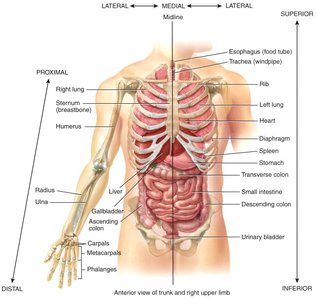
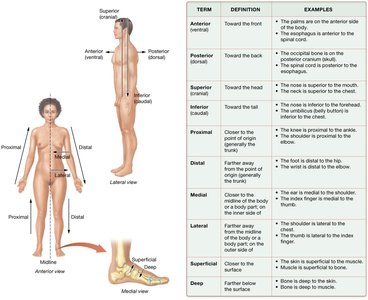
Directional terms are used to describe the locations of structures relative to other structures or locations in the body. These terms are essential for clear communication in anatomy.
Superior (Cranial): Toward the head
Inferior (Caudal): Toward the feet
Anterior (Ventral): Toward the front
Posterior (Dorsal): Toward the back
Medial: Toward the midline
Lateral: Away from the midline
Proximal: Closer to the point of attachment
Distal: Farther from the point of attachment
Superficial: Toward the surface
Deep: Away from the surface
Planes of Section
Body Planes
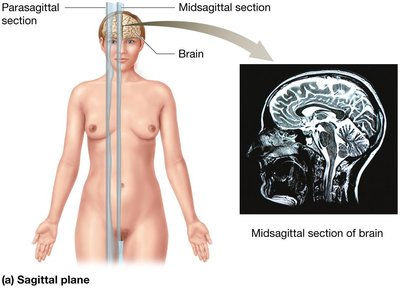
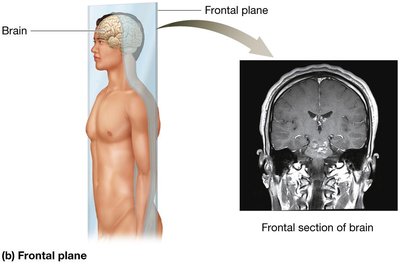
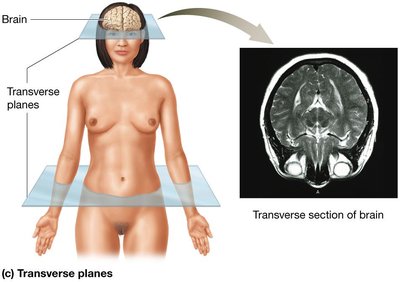
Body planes are imaginary lines used to divide the body into sections for anatomical study and medical imaging:
Sagittal Plane: Divides the body into right and left parts (midsagittal is equal halves, parasagittal is unequal)
Frontal (Coronal) Plane: Divides the body into anterior and posterior parts
Transverse (Horizontal) Plane: Divides the body into superior and inferior parts
Oblique Plane: Divides the body at an angle
Body Cavities and Regions
Major Body Cavities
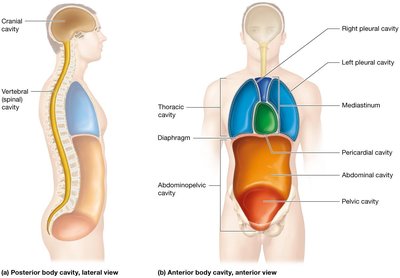
The body contains several major cavities that house and protect internal organs:
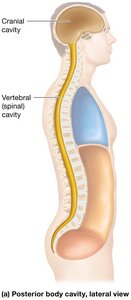
Posterior (Dorsal) Cavity: Cranial cavity (brain) and vertebral cavity (spinal cord)
Anterior (Ventral) Cavity: Thoracic cavity (heart, lungs), abdominopelvic cavity (digestive, urinary, reproductive organs)

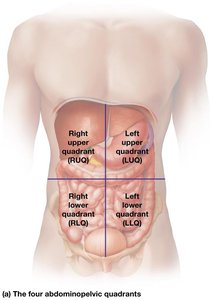
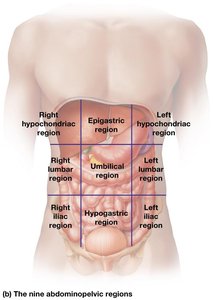
Abdominopelvic Quadrants and Regions
The abdominopelvic cavity is further divided for clinical and anatomical reference:
Four Quadrants: Right upper, left upper, right lower, left lower
Nine Regions: Right/left hypochondriac, epigastric, right/left lumbar, umbilical, right/left iliac, hypogastric
Core Principles in Anatomy and Physiology
Homeostasis
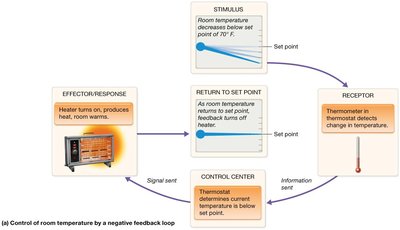
Homeostasis is the maintenance of a stable internal environment despite external changes. It is achieved through complex regulatory mechanisms involving feedback loops.
Variables: Conditions maintained (e.g., temperature, pH, fluid balance)
Set Point: The normal value or range for a variable
Receptor: Detects changes in the variable
Control Center: Processes information and determines response
Effector: Carries out the response to restore balance
Response: The action taken to correct the imbalance
Feedback Mechanisms
Feedback mechanisms are essential for homeostatic regulation:
Negative Feedback: The response reduces or eliminates the original stimulus, restoring balance (e.g., temperature regulation)
Positive Feedback: The response amplifies the original stimulus, often leading to a specific event (e.g., blood clotting, childbirth)
Example: Temperature Regulation
Body temperature is tightly regulated by negative feedback. When temperature rises above the set point, receptors signal the hypothalamus, which activates effectors (sweat glands, blood vessels) to cool the body.
Variable: Body temperature
Receptor: Thermoreceptors in skin and hypothalamus
Control Center: Hypothalamic thermoregulatory center
Set Point: 37°C (98.6°F)
Effectors: Sweat glands, blood vessels
Response: Vasodilation, increased sweating
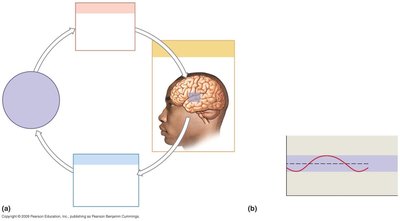
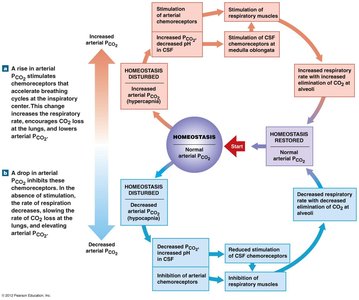
Example: Carbon Dioxide Regulation
Blood CO2 levels are regulated by chemoreceptors and the respiratory center in the medulla. Increased CO2 stimulates increased respiratory rate to expel excess CO2.
Variable: Blood CO2
Receptor: Chemoreceptors
Control Center: Respiratory center in medulla
Set Point: 35-45 mmHg
Effectors: Respiratory muscles
Response: Increased respiratory rate
Systems Integration
All organ systems work together to maintain homeostasis. Disruption in one system can affect the entire organism, potentially leading to disease or death if not corrected.
Additional info: Mastery of these foundational concepts is essential for further study in anatomy and physiology, as they underpin all subsequent topics in the course.
