 Back
BackIntroduction to Anatomy and Physiology: Foundational Concepts and Study Skills
Study Guide - Smart Notes
 Tailored notes based on your materials, expanded with key definitions, examples, and context.
Introduction to Anatomy and Physiology
Overview of Anatomy and Physiology
Anatomy and Physiology (A&P) is the study of the structure and function of the human body. Understanding the relationship between form (anatomy) and function (physiology) is essential for comprehending how the body operates as an integrated whole.
Human Anatomy: The study of the structure of the human body, including the organization of its parts.
Human Physiology: The study of the functions and processes of the body and its systems.
Form and Function: These are inextricably linked; the structure of a body part determines its function.
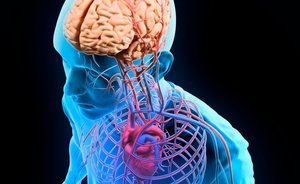
How to Succeed in Your Anatomy and Physiology Course
Effective Study Strategies
Success in A&P requires active engagement with the material, effective study habits, and regular review. Understanding how memory works can help optimize learning.
Encoding: Taking in new information.
Storage: Maintaining information over time.
Retrieval: Recalling information when needed.
Spacing Effect: Spaced repetition improves long-term retention compared to massed practice.
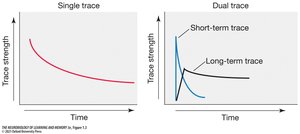
Review Schedule: Review notes within hours, then after 1-2 days, 1 week, and before exams.
Study Groups: Collaborative learning enhances understanding.
Minimize Distractions: Create a focused study environment.
Health: Adequate sleep, nutrition, and exercise support cognitive function.
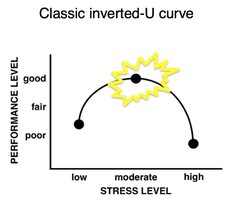
Stress: Moderate stress can enhance performance, but excessive stress is detrimental.
Characteristics of Living Organisms
Defining Life
All living organisms share certain characteristics that distinguish them from non-living matter.
Cells: Basic units of life.
Metabolism: Includes anabolism (building up) and catabolism (breaking down).
Growth: Increase in size and number of cells.
Excretion: Removal of waste products.
Responsiveness: Ability to sense and react to stimuli.
Movement: Of the organism, cells, or materials within the body.
Reproduction: Cellular (mitosis) and organismal (offspring production).
Levels of Structural Organization
Hierarchy in the Human Body
The human body is organized into a hierarchy of structural levels, each building on the previous one.
Chemical Level: Atoms and molecules.
Cellular Level: Cells and their organelles.
Tissue Level: Groups of similar cells performing a common function.
Organ Level: Structures composed of two or more tissue types.
Organ System Level: Groups of organs working together.
Organism Level: The complete living being.
Organ Systems of the Human Body
The 11 Major Organ Systems
The human body consists of 11 organ systems, each with specific functions essential for survival.
System | Main Components | Major Functions |
|---|---|---|
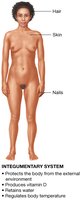
Integumentary | Skin, hair, nails | Protection, vitamin D production, temperature regulation |
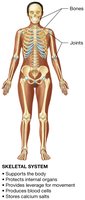
Skeletal | Bones, joints | Support, movement, blood cell production, mineral storage |
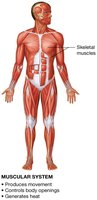
Muscular | Skeletal muscles | Movement, heat production |
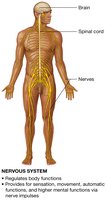
Nervous | Brain, spinal cord, nerves | Regulation, sensation, movement, higher mental functions |
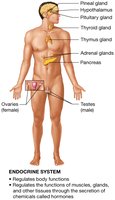
Endocrine | Glands (pituitary, thyroid, etc.) | Hormone secretion, regulation of body functions |
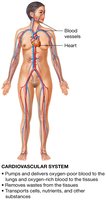
Cardiovascular | Heart, blood vessels | Transport of nutrients, gases, wastes |
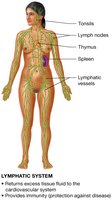
Lymphatic | Lymph nodes, vessels, spleen | Immunity, fluid balance |
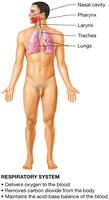
Respiratory | Lungs, trachea | Gas exchange, acid-base balance |
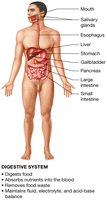
Digestive | Mouth, stomach, intestines | Digestion, absorption, waste elimination |
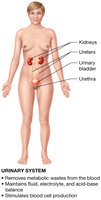
Urinary | Kidneys, bladder | Waste removal, fluid/electrolyte balance |
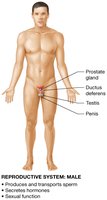
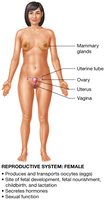
Reproductive | Ovaries/testes, uterus/penis | Offspring production, hormone secretion |
Types of Anatomy and Physiology
Subfields and Approaches
Anatomy and physiology can be studied at various levels and from different perspectives.
Gross Anatomy: Study of structures visible to the naked eye.
Microscopic Anatomy: Study of structures requiring magnification (e.g., histology, cytology).
Systemic Physiology: Study of organ systems (e.g., neurophysiology, cardiovascular physiology).
Other Levels: Chemical, cellular, tissue, and organ physiology.
The Language of Anatomy and Physiology
Terminology and Anatomical Position
Precise language is essential for describing locations and relationships in the body.
Word Roots: Core components of scientific terms (e.g., encephal- for brain, card- for heart).
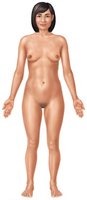
Anatomical Position: Body standing upright, feet shoulder-width apart, arms at sides, palms facing forward. All directional terms refer to this position.
Directional Terms: Used to describe locations (e.g., superior/inferior, anterior/posterior, medial/lateral, proximal/distal, superficial/deep).
Regional Terms: Specific areas of the body (e.g., brachial for arm, cervical for neck).
Planes of Section
Body Planes and Sections
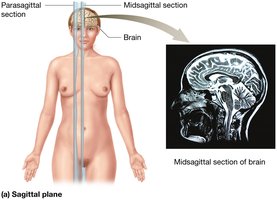
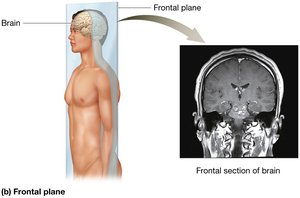
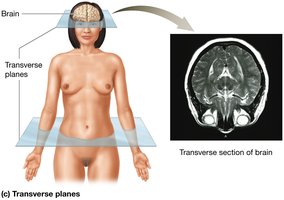
Body planes are imaginary lines used to divide the body for anatomical study and medical imaging.
Sagittal Plane: Divides body into right and left parts (midsagittal = equal halves, parasagittal = unequal).
Frontal (Coronal) Plane: Divides body into anterior and posterior parts.
Transverse (Horizontal) Plane: Divides body into superior and inferior parts.
Organization of the Human Body
Body Cavities and Membranes
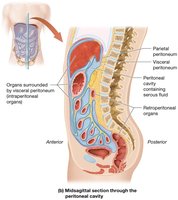
The body contains several major cavities that house and protect organs, allowing for movement and expansion.
Posterior (Dorsal) Cavity: Includes cranial cavity (brain) and vertebral cavity (spinal cord).
Anterior (Ventral) Cavity: Includes thoracic cavity (pleural, mediastinum, pericardial) and abdominopelvic cavity (abdominal, pelvic, peritoneal).
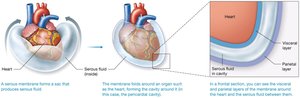
Serous Membranes: Thin, double-layered membranes that reduce friction around organs (visceral layer contacts organ, parietal layer lines cavity).
Serous Fluid: Lubricates and prevents friction between membrane layers.
Abdominopelvic Quadrants and Regions
Divisions for Clinical Reference
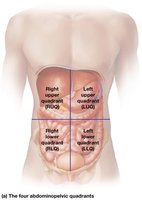
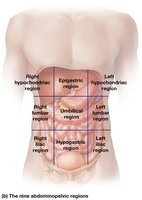
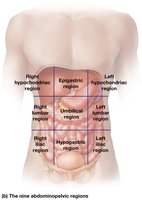
The abdominopelvic cavity is divided into quadrants and regions to help localize organs and diagnose pain.
Quadrants: Right upper (RUQ), left upper (LUQ), right lower (RLQ), left lower (LLQ).
Regions: Nine regions (e.g., epigastric, umbilical, hypogastric, lumbar, iliac, hypochondriac).
Core Principles in Anatomy and Physiology
Homeostasis and Feedback Loops
Homeostasis is the maintenance of a stable internal environment. Most physiological processes operate to keep variables within a narrow range.
Negative Feedback: Opposes changes to return a variable to its set point (e.g., body temperature regulation).
Positive Feedback: Amplifies a response until a specific outcome is achieved (e.g., childbirth contractions).

Misconceptions: Negative feedback is not 'bad'; homeostasis is dynamic, not static.
Other Core Principles
Structure-Function: The shape of a structure determines its function at all levels of organization.
Gradients: Differences in concentration, pressure, or temperature drive physiological processes.
Cell-Cell Communication: Cells communicate via chemical or electrical signals to coordinate function.

Medical Imaging
Noninvasive Visualization of Internal Structures
Medical imaging techniques allow visualization of internal body structures without surgery.
X-Ray: Uses ionizing radiation to view dense structures like bone.
CT Scan: Produces cross-sectional images using X-rays and computer processing.
MRI: Uses magnetic fields and radio waves to produce detailed images of soft tissues.
Additional info: This guide covers foundational concepts from Chapter 1 of a typical Anatomy and Physiology I course, including study skills, characteristics of life, levels of organization, organ systems, anatomical terminology, body planes, cavities, membranes, and core physiological principles.
