 Back
BackIntroduction to Anatomy & Physiology: Foundational Concepts and Terminology
Study Guide - Smart Notes
 Tailored notes based on your materials, expanded with key definitions, examples, and context.
Introduction to Anatomy & Physiology
What is Anatomy and Physiology?
Anatomy and Physiology (A&P) is the study of the structure and function of the human body. Anatomy focuses on the physical structures of the body, while physiology examines how those structures function and interact to sustain life.
Anatomy: The study of the body’s structures (e.g., bones, muscles, organs).
Physiology: The study of the body’s functions (e.g., how the heart pumps blood, how muscles contract).
Principle of Complementarity: Structure and function are closely related; understanding one helps explain the other.
Example: The heart’s structure (chambers and valves) allows it to function as a pump for blood circulation.
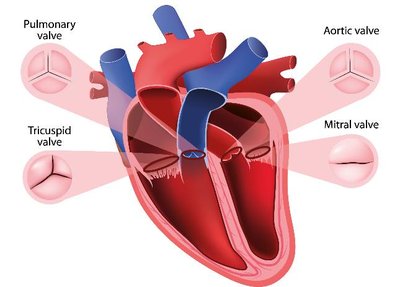
Additional info: Anatomy and physiology are often studied together because changes in structure can affect function and vice versa.
Levels of Organization in the Human Body
Hierarchy of Structural Organization
The human body is organized into a hierarchy of levels, each building on the previous one. This organization allows for specialization and division of labor among cells and tissues.
Atomic and Molecular Level: Atoms combine to form molecules (e.g., water, proteins).
Macromolecule Level: Large molecules essential for life (e.g., DNA, carbohydrates).
Cellular Level: Cells are the basic units of life.
Tissue Level: Groups of similar cells performing a common function.
Organ Level: Structures composed of two or more tissue types (e.g., heart, liver).
Organ System Level: Groups of organs working together (e.g., digestive system).
Organism Level: The complete living being.
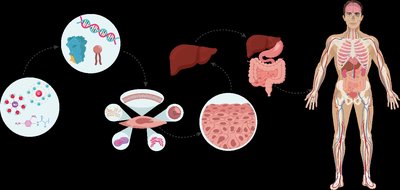
Example: Statins work at the molecular level to inhibit cholesterol synthesis, but their effects are seen at the organ and organism levels (e.g., reduced risk of heart attack).
Variation in Anatomy and Physiology
Anatomical Variation
There is significant variation in human anatomy and physiology. While textbooks present a 'reference body,' real individuals may differ in organ arrangement, size, or function.
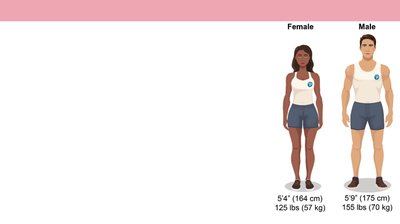
Reference Body: Typically a healthy young adult of average size (female: 5’4”, 125 lbs; male: 5’9”, 155 lbs).
Normal Variation: Most variations do not affect function, but some can lead to medical errors if not recognized.
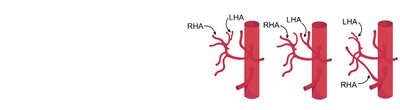
Example: Situs inversus is a condition where organs are mirrored from their normal positions but may function normally.
Introduction to Organ Systems
Overview of Major Organ Systems
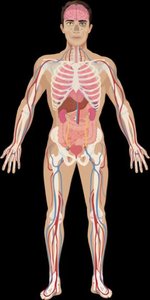
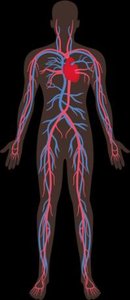
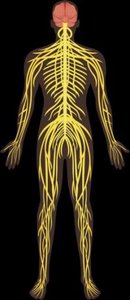
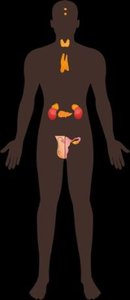
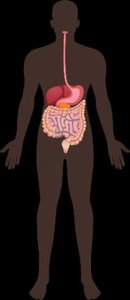
The human body is organized into organ systems, each with specific functions. These systems work together to maintain homeostasis and overall health.
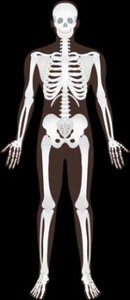
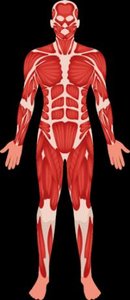
Protection and Support: Integumentary, skeletal, and muscular systems.
Communication and Integration: Nervous and endocrine systems.
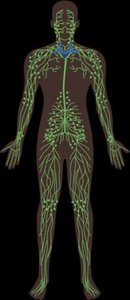
Transport and Immunity: Cardiovascular and lymphatic systems.
Exchange of Gases, Nutrients, and Wastes: Respiratory, digestive, and urinary systems.
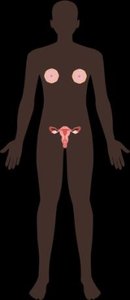
Reproduction: Male and female reproductive systems.

Homeostasis
Definition and Importance
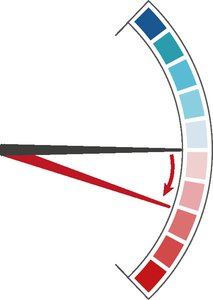
Homeostasis is the maintenance of a stable internal environment within narrow limits, despite external changes. It is essential for survival and proper function.
Set Point: The ideal value for a physiological variable (e.g., body temperature, blood pH).
Dynamic Equilibrium: Internal conditions fluctuate within a normal range.
Examples of Homeostatic Variables:
Variable | Normal Range | Pathology (if out of range) |
|---|---|---|
Blood pH | 7.35–7.45 | Acidosis or alkalosis |
Body Temperature | 36–37.5°C (97–99.5°F) | Hypo-/Hyperthermia |
Blood Glucose | 70–90 mg/dL (fasting) | Hypo-/Hyperglycemia (diabetes) |
Feedback Loops
Mechanisms of Homeostatic Control
Homeostasis is maintained through feedback loops that detect and respond to changes in the internal environment.
Negative Feedback: Opposes the original stimulus, returning the system to the set point. Most common type.
Positive Feedback: Enhances the original stimulus, moving the system further from the set point. Less common, used in specific situations (e.g., blood clotting, childbirth).


Example of Negative Feedback: Body temperature regulation—when temperature rises, sweating cools the body; when it falls, shivering generates heat.
Example of Positive Feedback: During childbirth, pressure on the cervix increases oxytocin release, which intensifies contractions until delivery.
Anatomical Position and Directional Terms
Standard Reference Position
The anatomical position is the universally accepted starting point for describing body parts and positions. The body stands upright, facing forward, feet shoulder-width apart, arms at the sides, and palms facing forward.
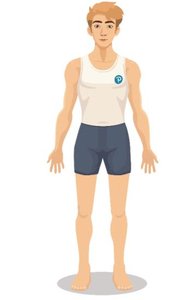
Left and Right: Always refer to the subject’s left and right, not the observer’s.
Importance: Provides a consistent frame of reference for anatomical terminology.
Directional Terms
Describing Locations and Relationships
Directional terms are used to describe the positions of structures relative to other structures or locations in the body.
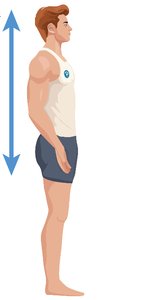
Superior (Cranial): Toward the head or upper part of a structure.
Inferior (Caudal): Away from the head or toward the lower part of a structure.
Anterior (Ventral): Toward the front of the body.
Posterior (Dorsal): Toward the back of the body.
Medial: Toward the midline of the body.
Lateral: Away from the midline.
Proximal: Closer to the point of attachment (used for limbs).
Distal: Farther from the point of attachment (used for limbs).
Superficial: Closer to the surface of the body.
Deep: Further from the surface of the body.
Anatomical Planes and Sections
Dividing the Body for Study
Anatomical planes are imaginary lines used to divide the body for anatomical study or medical imaging.
Frontal (Coronal) Plane: Divides the body into anterior and posterior parts.
Sagittal Plane: Divides the body into right and left parts. Midsagittal is exactly at the midline; parasagittal is off-center.
Transverse (Horizontal) Plane: Divides the body into superior and inferior parts.
Oblique Plane: Divides the body at an angle.
Body Cavities and Serous Membranes
Major Body Cavities
The body contains internal cavities that house and protect organs.
Anterior (Ventral) Cavity: Includes the thoracic and abdominopelvic cavities.
Posterior (Dorsal) Cavity: Includes the cranial and vertebral cavities.
Thoracic Cavity: Contains the heart and lungs, protected by the rib cage.
Abdominopelvic Cavity: Contains digestive, urinary, and reproductive organs.
Serous Membranes
Serous membranes (serosa) are double-layered membranes that line body cavities and cover organs. They secrete serous fluid to reduce friction.
Visceral Layer: Covers the organ.
Parietal Layer: Lines the cavity wall.
Serous Fluid: Lubricates and reduces friction between layers.
Examples:
Pleura: Surrounds the lungs.
Pericardium: Surrounds the heart.
Peritoneum: Surrounds most abdominal organs.
Abdominopelvic Quadrants and Regions
Divisions for Clinical Reference
The abdomen is divided into quadrants and regions for clinical and anatomical reference.
Quadrants: Right Upper (RUQ), Left Upper (LUQ), Right Lower (RLQ), Left Lower (LLQ).
Regions: Nine regions including epigastric, umbilical, hypogastric, and others for more precise localization.
Summary Table: Major Organ Systems and Functions
System | Main Organs | Primary Functions |
|---|---|---|
Integumentary | Skin, hair, nails | Protection, temperature regulation |
Skeletal | Bones, cartilage | Support, movement, protection |
Muscular | Muscles | Movement, heat production |
Nervous | Brain, spinal cord, nerves | Rapid communication, control |
Endocrine | Glands (e.g., thyroid, adrenal) | Hormonal regulation |
Cardiovascular | Heart, blood vessels | Transport of nutrients, gases |
Lymphatic | Lymph nodes, vessels | Immunity, fluid balance |
Respiratory | Lungs, trachea | Gas exchange |
Digestive | Stomach, intestines, liver | Breakdown and absorption of food |
Urinary | Kidneys, bladder | Waste removal, water balance |
Reproductive | Ovaries/testes, uterus/penis | Production of offspring |
Additional info: Mastery of anatomical terminology and understanding of body organization is foundational for all further study in anatomy and physiology.
