 Back
Introduction to Anatomy and Physiology: Foundational Concepts and Terminology
Study Guide - Smart Notes
 Tailored notes based on your materials, expanded with key definitions, examples, and context.
Introduction to Anatomy and Physiology
What is Anatomy and Physiology?
Anatomy and physiology are closely related fields that study the structure and function of the human body. Anatomy focuses on the physical structures of organisms, while physiology examines how those structures function to sustain life.
Anatomy: The study of the body's structures, such as organs, tissues, and cells.
Physiology: The study of the body's functions and processes.
Principle of Complementarity: Structure and function are interdependent; understanding one requires knowledge of the other.
Example: The structure of the heart valves ensures that blood flows in only one direction, which is essential for proper heart function.
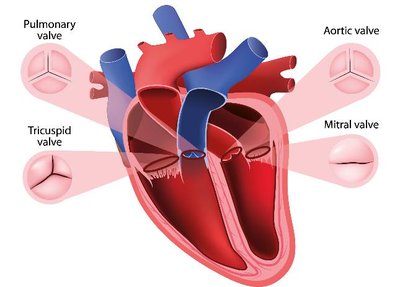
Additional info: Anatomy and physiology are often studied together because changes in structure can affect function and vice versa.
Levels of Organization
Hierarchical Organization of the Human Body
The human body is organized into a hierarchy of structural levels, each building upon the previous one. Changes at one level can affect other levels.
Atomic and Molecular Level: Atoms and molecules form the chemical basis of life.
Macromolecule Level: Large molecules such as proteins, lipids, and nucleic acids.
Cellular Level: Cells are the basic units of life.
Tissue Level: Groups of similar cells performing a common function.
Organ Level: Structures composed of two or more tissue types.
Organ System Level: Groups of organs working together for a common purpose.
Organism Level: The complete living being.
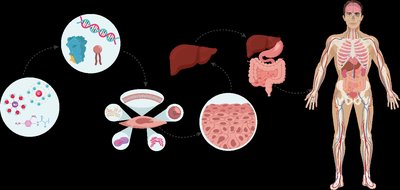
Example: Statins work at the molecular level to inhibit cholesterol synthesis, but their effects are seen at the organ and organism levels.
Variation in Anatomy and Physiology
Normal Variation and Reference Body
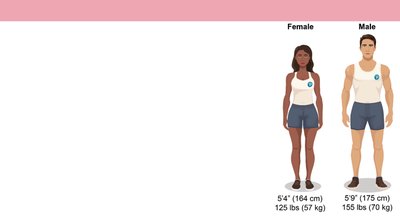
There is significant variation in human anatomy and physiology. Textbooks use a reference body (healthy young adult) to standardize learning, but real individuals may differ.
Reference Body: Typically a healthy young adult of average height and weight.
Normal Variation: Differences that do not affect function are considered normal.
Extreme Variation: May impact function or health.
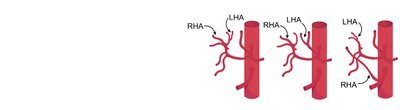
Example: Situs inversus is a condition where organs are mirrored from their normal positions; it is a variation of anatomy, not necessarily physiology.
Introduction to Organ Systems
Overview of Major Organ Systems
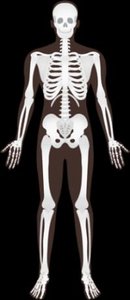
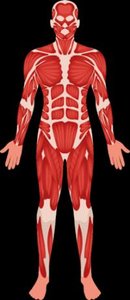
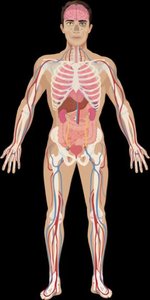
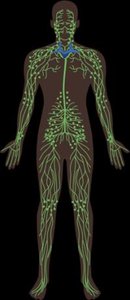
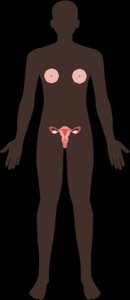
The human body is organized into organ systems, each with specific functions but highly integrated with others. Systems are grouped by function: protection, support, communication, transport, exchange, and reproduction.
Protection and Support: Integumentary, skeletal, and muscular systems.
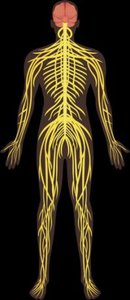
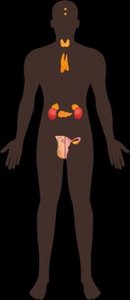
Communication and Integration: Nervous and endocrine systems.
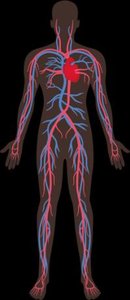
Transport and Immunity: Cardiovascular and lymphatic systems.
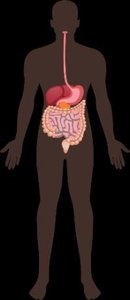
Exchange: Respiratory, digestive, and urinary systems.
Reproduction: Male and female reproductive systems.

Homeostasis
Maintaining Internal Stability
Homeostasis is the maintenance of a stable internal environment. The body regulates variables such as temperature, pH, and blood glucose within narrow ranges. Failure to maintain homeostasis leads to disease (pathology).
Set Point: The ideal value for a physiological variable.
Dynamic Equilibrium: The body is always adjusting, not fixed.
Examples of Homeostatic Variables:
Variable | Normal Range | Pathology (Out of Range) |
|---|---|---|
Blood pH | 7.35–7.45 | Acidosis or alkalosis |
Body Temperature | 36–37.5°C (97–99.5°F) | Hypo-/Hyperthermia |
Blood Glucose | 70–90 mg/dL (fasting) | Hypoglycemia/Hyperglycemia |
Feedback Loops
Mechanisms of Homeostatic Control
Homeostasis is maintained through feedback loops that detect changes and initiate responses. There are two main types:
Negative Feedback: Opposes the original stimulus, returning the variable to the set point. Most common type.
Positive Feedback: Amplifies the original stimulus, moving the variable further from the set point. Less common, used in specific situations (e.g., blood clotting, childbirth).


Example (Negative Feedback): When body temperature rises, sweat glands produce sweat to cool the body. When temperature falls, shivering generates heat.




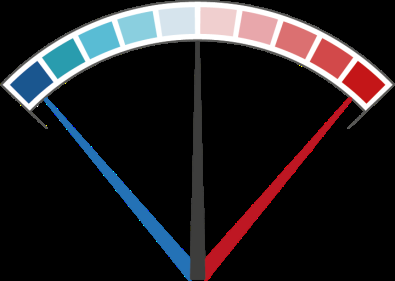
Example (Positive Feedback): During childbirth, pressure on the cervix triggers the release of oxytocin, which increases contractions, leading to more pressure and more oxytocin until delivery.
Anatomical Position and Directional Terms
Standard Reference for Describing the Body
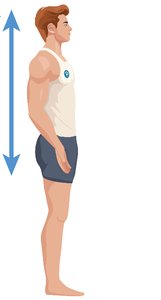
The anatomical position is the universally accepted starting point for describing body parts and positions. The body stands upright, facing forward, feet shoulder-width apart, arms at the sides, and palms facing forward. Left and right always refer to the subject's left and right.
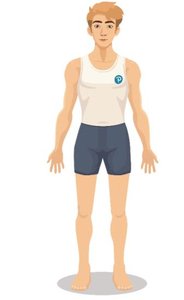
Directional Terms: Used to describe the location of one body part relative to another.
Superior (Cranial): Toward the head
Inferior (Caudal): Toward the feet
Anterior (Ventral): Toward the front
Posterior (Dorsal): Toward the back
Medial: Toward the midline
Lateral: Away from the midline
Proximal: Closer to the point of attachment (limbs)
Distal: Farther from the point of attachment (limbs)
Superficial: Closer to the surface
Deep: Further from the surface
Anatomical Planes and Sections
Dividing the Body for Study
Anatomical planes are imaginary lines used to divide the body for anatomical study and medical imaging.
Frontal (Coronal) Plane: Divides the body into anterior and posterior parts.
Sagittal Plane: Divides the body into right and left parts. Midsagittal is exactly at the midline; parasagittal is off-center.
Transverse (Horizontal) Plane: Divides the body into superior and inferior parts.
Oblique Plane: Divides the body at an angle.
Body Cavities
Major Body Cavities and Their Subdivisions
The body contains internal cavities that house and protect organs.
Posterior (Dorsal) Cavity: Contains the cranial cavity (brain) and vertebral cavity (spinal cord).
Anterior (Ventral) Cavity: Divided by the diaphragm into:
Thoracic Cavity: Contains the heart and lungs.
Abdominopelvic Cavity: Contains digestive, urinary, and reproductive organs.
Abdominal Cavity: Most digestive organs, kidneys.
Pelvic Cavity: Bladder, internal reproductive organs.
Peritoneal Cavity: Serous membrane-bound cavity within the abdomen.
Retroperitoneal Space: Behind the peritoneum; contains kidneys, pancreas, rectum.
Example: The pleural cavities surround the lungs, the pericardial cavity surrounds the heart, and the peritoneal cavity surrounds most abdominal organs.
Abdominopelvic Quadrants and Regions
Dividing the Abdomen for Clinical Reference
The abdomen is divided into quadrants and regions for clinical and anatomical reference.
Quadrants: Right Upper (RUQ), Left Upper (LUQ), Right Lower (RLQ), Left Lower (LLQ).
Regions: Nine regions including right/left hypochondriac, epigastric, right/left lumbar, umbilical, right/left inguinal, and hypogastric.
Quadrant | Main Organs |
|---|---|
RUQ | Liver, gallbladder |
LUQ | Stomach, spleen, pancreas |
RLQ | Appendix, small intestine, large intestine |
LLQ | Small intestine, large intestine, bladder |
Example: Tenderness in the RLQ may indicate appendicitis.
Summary Table: Key Anatomical Terms
Term | Definition |
|---|---|
Superior | Toward the head |
Inferior | Toward the feet |
Anterior (Ventral) | Toward the front |
Posterior (Dorsal) | Toward the back |
Medial | Toward the midline |
Lateral | Away from the midline |
Proximal | Closer to the point of attachment |
Distal | Farther from the point of attachment |
Superficial | Closer to the surface |
Deep | Further from the surface |
Additional info: Mastery of anatomical terminology and concepts is essential for effective communication in health sciences and for understanding the relationships between structure and function in the human body.
