 Back
BackIntroduction to Anatomy & Physiology: Foundational Concepts and Body Organization
Study Guide - Smart Notes
 Tailored notes based on your materials, expanded with key definitions, examples, and context.
Introduction to Anatomy & Physiology
Definitions and Relationship
Anatomy is the study of the structure of the body, while physiology is the study of the function of the body. These disciplines are closely related, as the structure of a body part often determines its function. For example, the anatomy of the heart (its chambers and valves) enables its physiological role in pumping blood.
Types of Anatomy
Microscopic Anatomy: Structures too small to be seen without a microscope (e.g., cells and tissues).
Cytology: Study of individual cells.
Histology: Study of tissues.
Macroscopic (Gross) Anatomy: Structures visible to the naked eye (e.g., organs and organ systems).
Characteristics and Needs of Living Organisms
Major Characteristics of Life
Organization: Distinct boundaries separating the organism from its environment (e.g., skin, cell membrane).
Responsiveness: Ability to sense and respond to stimuli (e.g., moving hand from a hot surface).
Growth and Differentiation: Increase in size and specialization of cells.
Movement: Internal (transport of materials) and external (locomotion).
Metabolism and Excretion: All chemical reactions in the body (metabolism) and removal of waste (excretion).
Reproduction: Production of new organisms or cells.
Major Needs of Organisms
Water
Food
Oxygen
Heat
Pressure
Levels of Organization in the Human Body
Hierarchical Structure
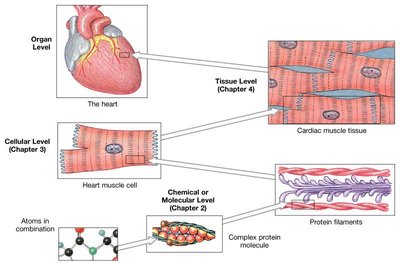
The human body is organized into several levels, each building upon the previous:
Chemical/Molecular Level: Atoms combine to form molecules.
Cellular Level: Molecules form organelles, which make up cells—the basic unit of life.
Tissue Level: Groups of similar cells performing a common function.
Organ Level: Two or more tissue types combine to form organs.
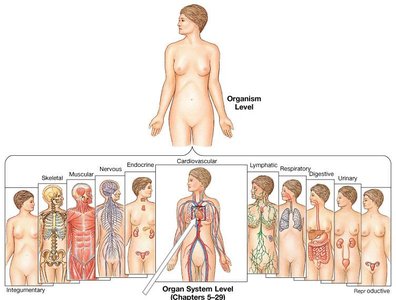
Organ System Level: Organs work together to perform complex functions.
Organism Level: All organ systems working together in a single living individual.
Major Body Systems and Their Functions
Overview of Organ Systems
The human body consists of eleven major organ systems, each with specific organs and functions:
System | Major Organs | Functions |
|---|---|---|
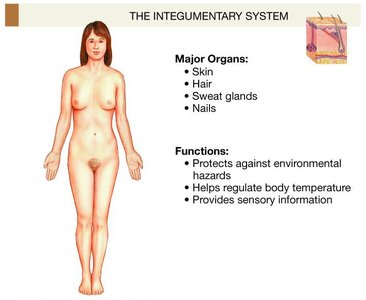
Integumentary | Skin, hair, sweat glands, nails | Protection, temperature regulation, sensory information |
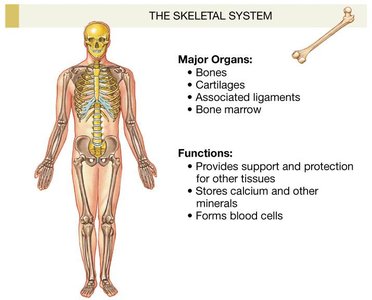
Skeletal | Bones, cartilages, ligaments, bone marrow | Support, protection, mineral storage, blood cell formation |
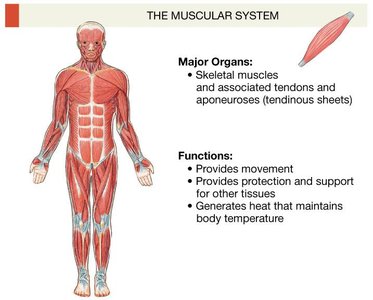
Muscular | Skeletal muscles, tendons | Movement, support, heat production |
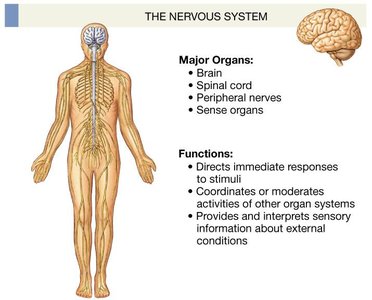
Nervous | Brain, spinal cord, nerves, sense organs | Immediate response, coordination, sensory interpretation |
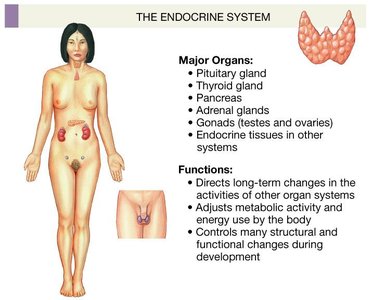
Endocrine | Pituitary, thyroid, pancreas, adrenal glands, gonads | Hormonal regulation, metabolic activity, development |
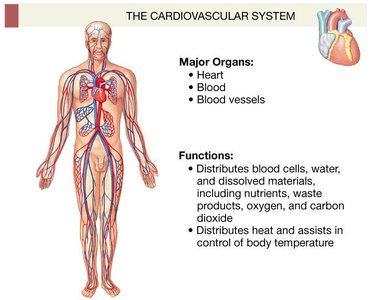
Cardiovascular | Heart, blood, blood vessels | Transport of cells and materials, heat distribution |
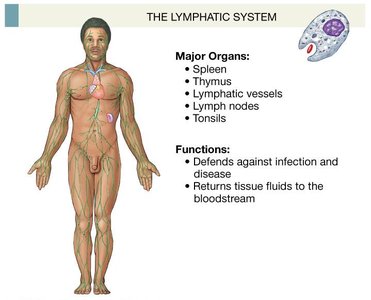
Lymphatic | Spleen, thymus, lymph nodes, vessels, tonsils | Defense, fluid return |
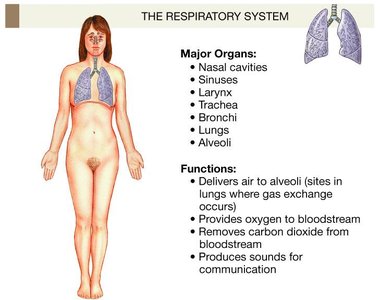
Respiratory | Nasal cavities, sinuses, larynx, trachea, bronchi, lungs, alveoli | Gas exchange, sound production |
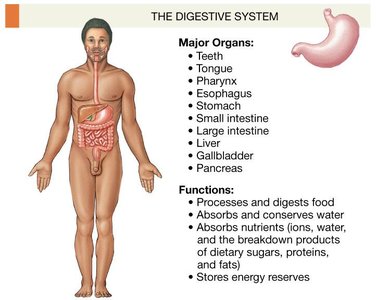
Digestive | Teeth, tongue, pharynx, esophagus, stomach, intestines, liver, gallbladder, pancreas | Food processing, nutrient absorption, waste elimination |
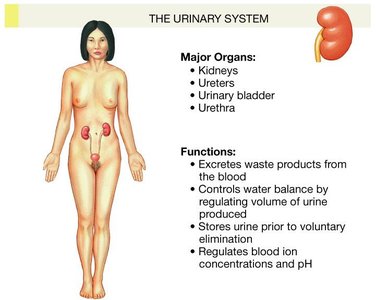
Urinary | Kidneys, ureters, bladder, urethra | Waste excretion, water balance, pH regulation |
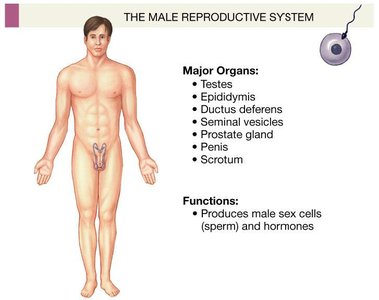
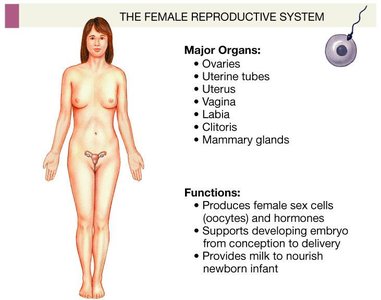
Reproductive | Male: testes, penis, etc.; Female: ovaries, uterus, etc. | Production of sex cells and hormones, support of offspring |
Homeostasis and Feedback Mechanisms
Definition and Importance
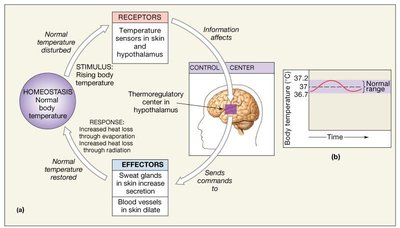
Homeostasis is the maintenance of a stable internal environment. It is essential for survival, as it allows the body to function optimally despite external changes.
Types of Regulatory Mechanisms
Negative Feedback: A change in a physiological variable triggers a response that counteracts the initial change, restoring balance. Example: Regulation of body temperature.
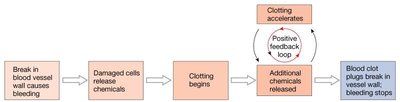
Positive Feedback: A change triggers a response that amplifies the original stimulus. Example: Blood clotting cascade.
Anatomical Position, Body Sections, and Regions
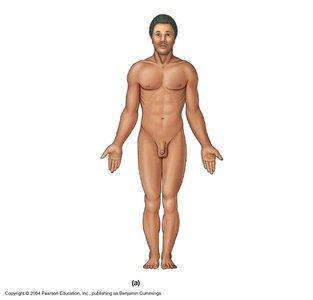
Anatomical Position
The standard anatomical position is standing upright, facing forward, arms at the sides with palms facing forward. This position is used as a reference for describing locations and directions on the body.
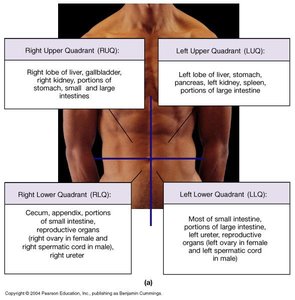
Abdominopelvic Quadrants and Regions
Quadrants: The abdomen is divided into four quadrants (RUQ, LUQ, RLQ, LLQ) for clinical reference.
Regions: The abdomen can also be divided into nine regions for more precise localization.
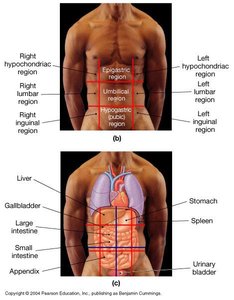
Directional Terms
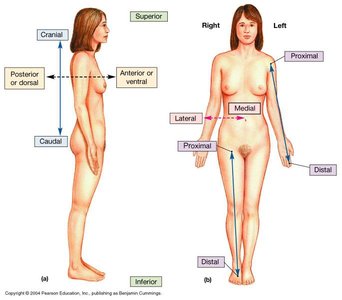
Anterior (ventral): Toward the front
Posterior (dorsal): Toward the back
Superior: Above
Inferior: Below
Medial: Toward the midline
Lateral: Away from the midline
Proximal: Closer to the trunk
Distal: Farther from the trunk
Superficial: Near the surface
Deep: Away from the surface
Sectional Anatomy
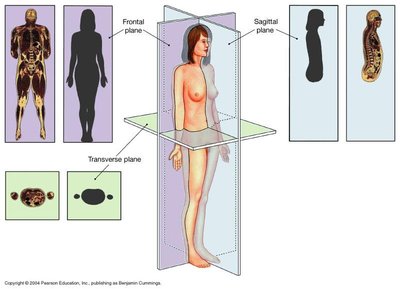
Frontal (Coronal) Plane: Divides the body into anterior and posterior parts.
Sagittal Plane: Divides the body into right and left parts.
Transverse Plane: Divides the body into superior and inferior parts (cross-section).
Body Cavities and Membranes
Major Body Cavities
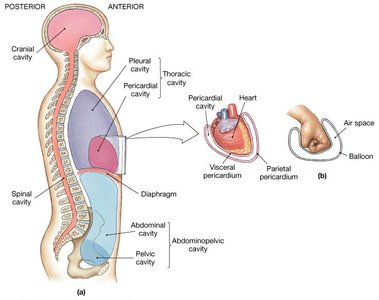
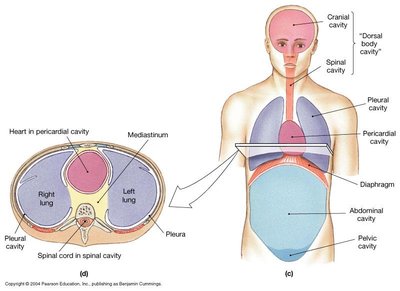
Dorsal Body Cavity: Contains the cranial cavity (brain) and spinal cavity (spinal cord).
Ventral Body Cavity (Coelom): Subdivided into the thoracic cavity (pleural cavities for lungs, pericardial cavity for heart) and abdominopelvic cavity (abdominal and pelvic cavities).
The mediastinum is the central compartment of the thoracic cavity, containing the heart, trachea, and esophagus.
Key Terms and Concepts
Cytology: Study of cells
Histology: Study of tissues
Gross Anatomy: Study of structures visible to the naked eye
Pathology: Study of disease
Homeostasis: Maintenance of a stable internal environment
Summary Table: Body Systems and Major Organs
System | Major Organs |
|---|---|
Integumentary | Skin, hair, sweat glands, nails |
Skeletal | Bones, cartilages, ligaments, bone marrow |
Muscular | Skeletal muscles, tendons |
Nervous | Brain, spinal cord, nerves, sense organs |
Endocrine | Pituitary, thyroid, pancreas, adrenal glands, gonads |
Cardiovascular | Heart, blood, blood vessels |
Lymphatic | Spleen, thymus, lymph nodes, vessels, tonsils |
Respiratory | Nasal cavities, sinuses, larynx, trachea, bronchi, lungs, alveoli |
Digestive | Teeth, tongue, pharynx, esophagus, stomach, intestines, liver, gallbladder, pancreas |
Urinary | Kidneys, ureters, bladder, urethra |
Reproductive | Male: testes, penis, etc.; Female: ovaries, uterus, etc. |
Example: Homeostatic Regulation Equation
Homeostatic regulation can be modeled as a feedback loop:
where is a proportionality constant, and the negative sign indicates negative feedback.
Additional info: This mini-textbook guide covers all foundational concepts from the provided materials, including definitions, organization, body systems, homeostasis, anatomical terminology, and body cavities, with relevant images and tables for clarity.
