 Back
Introduction to Anatomy & Physiology: Structured Study Notes
Study Guide - Smart Notes
 Tailored notes based on your materials, expanded with key definitions, examples, and context.
Introduction to Anatomy & Physiology
Anatomy and Physiology: Definitions and Scope
Anatomy and physiology are foundational sciences in understanding the human body. Anatomy describes the structures of the body, including what they are made of, where they are located, and their associated structures. Physiology is the study of the functions of anatomical structures, both individually and cooperatively.
Anatomy: Focuses on structure.
Physiology: Focuses on function.
Example: The heart's anatomy includes chambers and valves; its physiology involves pumping blood.
Branches of Anatomy
Human anatomy is divided into several branches, each focusing on different levels of structural organization.
Gross (Macroscopic) Anatomy: Examines large, visible structures.
Surface Anatomy: Studies exterior features.
Regional Anatomy: Focuses on specific body areas.
Sectional Anatomy: Uses cross sections to study internal structures.
Systemic Anatomy: Studies organ systems.
Clinical Anatomy: Applies anatomical knowledge to medical specialties.
Developmental Anatomy: Studies changes from conception to adulthood, including embryology.
Microscopic Anatomy: Examines cells and molecules (cytology and histology).
Branches of Physiology
Physiology is also divided into specialized fields based on the level of organization.
Cell Physiology: Functions of cells.
Organ Physiology: Functions of specific organs.
Systemic Physiology: Functions of organ systems.
Pathological Physiology: Effects of diseases on organs or systems.
Clinical Application: Signs, Symptoms, and Diagnosis
In clinical practice, physicians distinguish between signs (objective indicators, such as fever) and symptoms (subjective feelings, such as tiredness). The scientific method is used to reach a diagnosis:
Evaluate observations
Form a hypothesis
Test the hypothesis by collecting and analyzing data
Levels of Organization in the Human Body
Hierarchical Structure
The human body is organized into several levels, each building upon the previous.
Chemical Level: Atoms and molecules
Cellular Level: Cells, the smallest living units
Tissue Level: Groups of cells working together
Organ Level: Two or more tissues working together
Organ System Level: Groups of interacting organs
Organism Level: The individual life form
Overview of Organ Systems
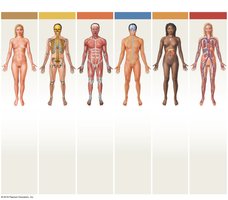
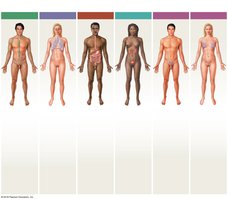
Humans have 11 organ systems, each with specific major organs and functions.
Organ System | Major Organs | Functions |
|---|---|---|
Integumentary | Skin, hair, sweat glands, nails | Protection, temperature regulation, sensory information |
Skeletal | Bones, cartilages, ligaments, bone marrow | Support, protection, mineral storage, blood cell formation |
Muscular | Skeletal muscles, tendons | Movement, heat generation, protection |
Nervous | Brain, spinal cord, nerves, sense organs | Immediate responses, coordination, sensory interpretation |
Endocrine | Pituitary, thyroid, pancreas, adrenal glands, gonads | Long-term changes, metabolic regulation, development |
Cardiovascular | Heart, blood, blood vessels | Transport, heat distribution |
Lymphatic | Spleen, thymus, lymphatic vessels, nodes, tonsils | Defense, fluid return |
Respiratory | Nasal cavities, sinuses, larynx, trachea, bronchi, lungs | Gas exchange, sound production |
Digestive | Teeth, tongue, pharynx, esophagus, stomach, intestines, liver, gallbladder, pancreas | Food processing, absorption, water conservation, energy storage |
Urinary | Kidneys, ureters, bladder, urethra | Waste excretion, water balance, ion regulation |
Reproductive | Male: testes, ducts, glands, penis, scrotum; Female: ovaries, tubes, uterus, vagina, labia, clitoris, mammary glands | Sex cell production, hormone secretion, support of embryo, nourishment of infant |
Medical and Anatomical Terminology
Medical Terminology
Medical terminology consists of precise terms related to the body in health and disease. Eponyms (commemorative names) are being replaced by standardized terms for clarity.
Anatomical Position and Landmarks
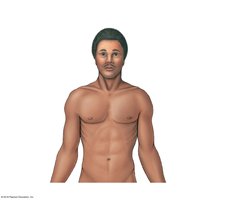
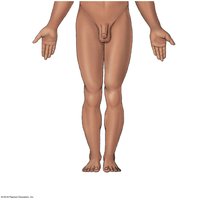
The anatomical position is the standard reference: hands at sides, palms forward. Supine means lying face up; prone means lying face down. Surface anatomy involves locating structures on or near the body surface using anatomical landmarks.
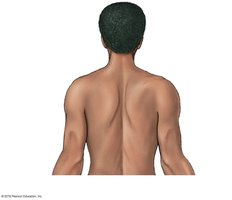
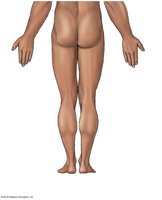
Anatomical Regions and Directions
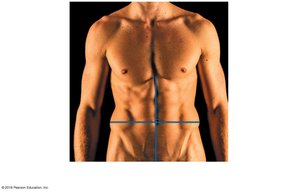
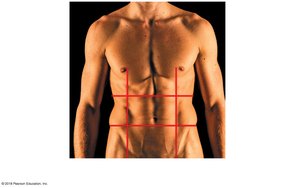
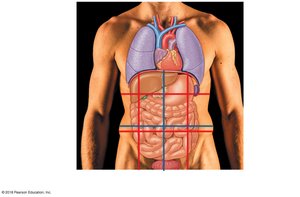
The abdominopelvic area is divided into quadrants and regions for clinical reference. Anatomical directions are based on the subject's orientation.
Quadrants: RUQ, RLQ, LUQ, LLQ
Regions: Nine regions including hypochondriac, lumbar, inguinal, epigastric, umbilical, hypogastric
Directional References
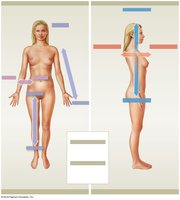
Directional terms describe the location of structures relative to each other.
Superior: Above; toward the head
Inferior: Below; toward the feet
Anterior (Ventral): Front surface
Posterior (Dorsal): Back surface
Medial: Toward the midline
Lateral: Away from the midline
Proximal: Toward the point of attachment
Distal: Away from the point of attachment
Superficial: Near the surface
Deep: Farther from the surface
Sectional Anatomy and Planes
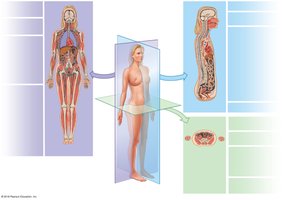
Sectional anatomy uses slices through the body to visualize internal organization, important in radiological techniques (MRI, PET, CT).
Frontal (Coronal) Plane: Divides body into anterior and posterior portions
Sagittal Plane: Divides body into left and right portions (midsagittal = equal sides, parasagittal = unequal sides)
Transverse (Horizontal) Plane: Divides body into superior and inferior portions
Body Cavities
Functions and Structure of Body Cavities
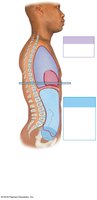
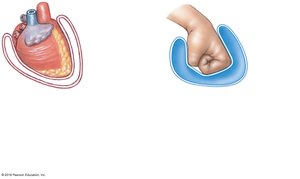
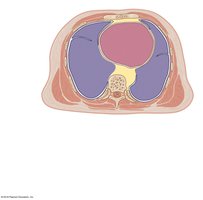
Body cavities protect organs from shocks and impacts and permit changes in size and shape. The ventral body cavity (coelom) is divided by the diaphragm into the thoracic and abdominopelvic cavities, containing viscera (internal organs).
Serous Membranes
Serous membranes (serosa) line body cavities and cover organs, consisting of parietal (lines cavity) and visceral (covers organ) layers.
Thoracic Cavity
The thoracic cavity contains right and left pleural cavities (lungs), the mediastinum (blood vessels, trachea, esophagus, thymus), and the pericardial cavity (heart).
Abdominopelvic Cavity
The abdominopelvic cavity includes the peritoneal cavity (lined by parietal and visceral peritoneum), abdominal cavity (digestive organs), retroperitoneal space (pancreas, kidneys, ureters), and pelvic cavity (reproductive organs, rectum, bladder).
Homeostasis
Definition and Importance
Homeostasis is the maintenance of a stable internal environment. All body systems work together to keep variables within normal ranges, responding to external and internal changes.
Homeostatic Regulation
Homeostatic regulation involves:
Autoregulation: Automatic response in a cell, tissue, or organ
Extrinsic Regulation: Controlled by nervous and endocrine systems
Homeostatic Regulatory Mechanism
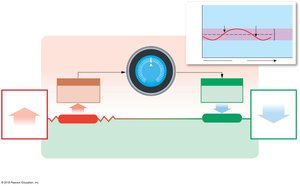
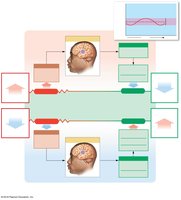
A regulatory mechanism consists of:
Receptor: Receives stimulus
Control Center: Processes signal and sends instructions
Effector: Carries out instructions
Negative Feedback
Negative feedback occurs when the response of the effector negates the stimulus, restoring homeostasis and maintaining the normal range.
Positive Feedback
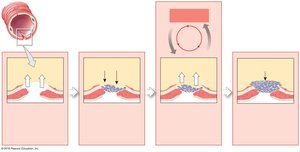
Positive feedback amplifies the original change, moving the body away from homeostasis. It is used to complete processes quickly, such as blood clotting.
Systems Integration and Dynamic Equilibrium
Physiological systems work together to maintain balance (dynamic equilibrium). Failure to maintain homeostasis results in disease.
Additional info: These notes provide a comprehensive overview of Chapter 1, covering the introduction to anatomy and physiology, levels of organization, organ systems, medical terminology, anatomical directions and planes, body cavities, and homeostasis mechanisms. All images included directly reinforce the corresponding explanations and are essential for visual understanding of the concepts.
