 Back
BackIntroduction to Anatomy & Physiology: The Human Body – An Orientation
Study Guide - Smart Notes
 Tailored notes based on your materials, expanded with key definitions, examples, and context.
Introduction to Anatomy & Physiology
Overview of Anatomy and Physiology
Anatomy and physiology are foundational sciences in understanding the human body. Anatomy is the study of the structure and shape of the body and its parts, as well as the relationships between those parts. Physiology is the study of how the body and its parts function. These disciplines are closely related, as the structure of a body part often determines its function.
Gross Anatomy: Study of large, visible structures (e.g., organs, muscles).
Microscopic Anatomy: Study of structures only visible with a microscope (e.g., cells, tissues).

Example: The heart's muscular walls (anatomy) enable it to pump blood (physiology).
Levels of Structural Organization
Hierarchy of Organization
The human body is organized into a hierarchy of structural levels, each building on the previous one:
Chemical Level: Atoms combine to form molecules.
Cellular Level: Cells are made up of molecules.
Tissue Level: Tissues consist of similar types of cells.
Organ Level: Organs are made up of different types of tissues.
Organ System Level: Organ systems consist of different organs that work together closely.
Organismal Level: The human organism is made up of many organ systems.
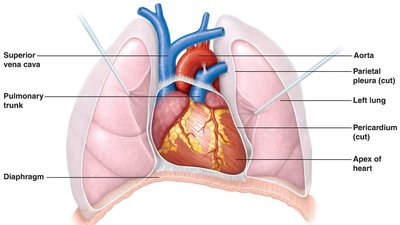
Example: The cardiovascular system includes the heart and blood vessels, which work together to circulate blood throughout the body.
Organ System Overview
Major Organ Systems of the Human Body
The body is composed of several organ systems, each with specific functions essential for survival. Below is a summary of the main organ systems:
System | Main Components | Primary Functions |
|---|---|---|
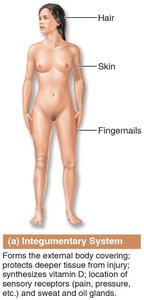
Integumentary | Skin, hair, nails | Protection, temperature regulation, sensation |
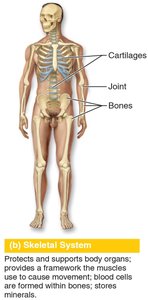
Skeletal | Bones, cartilages, joints | Support, movement, protection, blood cell formation |
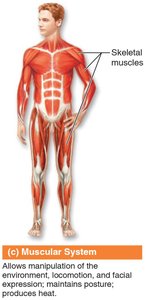
Muscular | Skeletal muscles | Movement, posture, heat production |
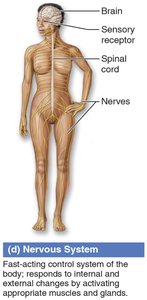
Nervous | Brain, spinal cord, nerves | Control, coordination, response to stimuli |
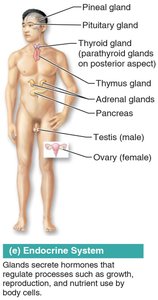
Endocrine | Glands (e.g., pituitary, thyroid) | Hormone production, regulation of growth and metabolism |
Cardiovascular | Heart, blood vessels | Transport of nutrients, gases, wastes |
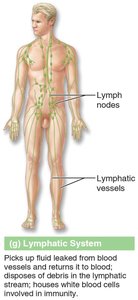
Lymphatic | Lymph nodes, lymphatic vessels | Immunity, fluid balance |
Respiratory | Lungs, trachea | Gas exchange (O2/CO2) |
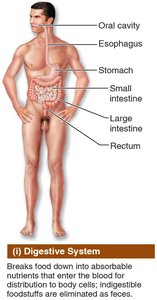
Digestive | Stomach, intestines, liver | Breakdown and absorption of nutrients |
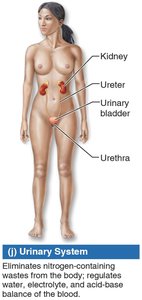
Urinary | Kidneys, bladder | Waste elimination, water balance |
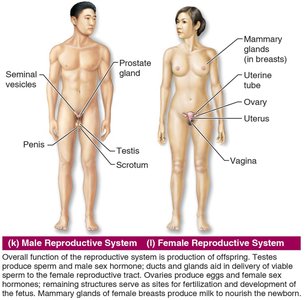
Reproductive | Testes, ovaries | Production of offspring |
Necessary Life Functions
Basic Functions Required for Life
To sustain life, the human body must perform several essential functions:
Maintain Boundaries: Separation between internal and external environments (e.g., skin).
Movement: Locomotion and movement of substances within the body.
Responsiveness: Ability to sense and respond to stimuli.
Digestion: Breakdown and absorption of nutrients.
Metabolism: All chemical reactions in the body, including energy production and building body structures.
Excretion: Removal of metabolic wastes.
Reproduction: Production of offspring.
Growth: Increase in size and number of cells.
Survival Needs
Conditions Required for Life
Life functions depend on certain survival needs, which must be present in appropriate amounts:
Nutrients: Carbohydrates, proteins, lipids, vitamins, and minerals for energy and cell building.
Oxygen: Required for energy-releasing chemical reactions.
Water: Makes up 60–80% of body weight; essential for chemical reactions.
Stable Body Temperature: Necessary for proper metabolic reactions.
Atmospheric Pressure: Required for adequate breathing and gas exchange.
Homeostasis
Maintaining Internal Balance
Homeostasis is the body's ability to maintain a stable internal environment, despite changes in the external environment. It is essential for normal body functioning and survival. Homeostatic mechanisms regulate variables such as nutrient levels, heart rate, blood pressure, and body temperature.
Dynamic Equilibrium: Homeostasis involves continuous monitoring and adjustment.
Homeostatic Imbalance: Disturbances can lead to disease or dysfunction.
Feedback Mechanisms
Homeostasis is maintained through feedback mechanisms:
Negative Feedback: Most common; reduces or shuts off the original stimulus (e.g., regulation of blood glucose, temperature).
Positive Feedback: Enhances the original stimulus (e.g., blood clotting, labor contractions).
Example: When blood glucose rises, insulin is released to lower it (negative feedback).
The Language of Anatomy
Anatomical Position and Terminology
Precise terminology is used to describe body positions, directions, regions, and structures to avoid confusion:
Anatomical Position: Standard reference position for the body (standing, facing forward, arms at sides, palms forward).
Directional Terms: Describe the location of one body part relative to another (e.g., superior, inferior, anterior, posterior).
Regional Terms: Refer to specific areas of the body (e.g., brachial for arm, femoral for thigh).
Body Planes and Sections: Sagittal, frontal (coronal), and transverse planes divide the body for study.
Body Cavities
Closed Body Cavities
The body contains internal cavities that protect organs:
Dorsal Body Cavity: Includes the cranial cavity (brain) and spinal cavity (spinal cord).
Ventral Body Cavity: Divided by the diaphragm into the thoracic cavity (heart, lungs) and abdominopelvic cavity (digestive, urinary organs).
The abdominopelvic cavity is further divided into quadrants for clinical reference.
Open Body Cavities
Open body cavities are exposed to the external environment:
Oral and Digestive Cavities: Open at the mouth, continuous through the digestive tract to the anus.
Nasal Cavity: Located within and posterior to the nose.
Orbital Cavities: Eye sockets.
Middle Ear Cavities: Contain tiny bones for hearing.
Summary Table: Body Cavities
Cavity | Location | Contents |
|---|---|---|
Cranial | Within skull | Brain |
Spinal | Within vertebral column | Spinal cord |
Thoracic | Chest, above diaphragm | Heart, lungs |
Abdominopelvic | Below diaphragm | Digestive, urinary, reproductive organs |
Oral | Mouth | Tongue, teeth |
Nasal | Nose | Nasal passages |
Orbital | Eye sockets | Eyes |
Middle Ear | Skull (ear region) | Ear bones |
Additional info: This summary provides foundational knowledge for further study in anatomy and physiology, including the relationship between structure and function, the organization of the human body, and the importance of homeostasis.
