 Back
Introduction to Anatomy: Foundational Concepts and Body Organization
Study Guide - Smart Notes
 Tailored notes based on your materials, expanded with key definitions, examples, and context.
Introduction to Anatomy
Definition and Scope of Anatomy
Anatomy is the scientific study of the structure of living organisms, with a primary focus on the human body in medical and health sciences. It provides the foundational knowledge necessary for understanding physiological processes and clinical practice.
Gross Anatomy: The study of structures visible to the naked eye, such as organs and organ systems.
Microscopic Anatomy: The study of structures requiring magnification, including cells and tissues (histology).
Developmental Anatomy: Examines structural changes from conception through adulthood, including embryology.

Levels of Structural Organization
The human body is organized into hierarchical levels, each building upon the previous to form the complete organism.
Chemical Level: Atoms and molecules essential for life.
Cellular Level: Cells are the basic units of structure and function.
Tissue Level: Groups of similar cells performing a common function.
Organ Level: Structures composed of two or more tissue types working together.
Organ System Level: Related organs with a common function.
Organismal Level: The complete living individual.
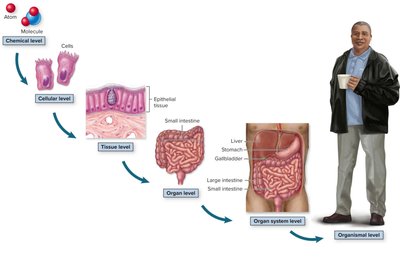
Overview of Organ Systems
Major Organ Systems of the Human Body
The human body consists of multiple organ systems, each with specialized functions essential for survival and homeostasis.
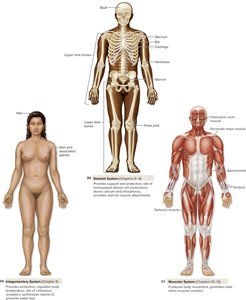
Integumentary System: Protects the body, regulates temperature, and provides sensory information.
Skeletal System: Supports and protects organs, stores minerals, and forms blood cells.
Muscular System: Produces movement, maintains posture, and generates heat.
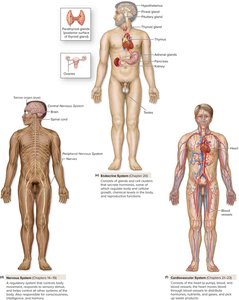
Nervous System: Directs immediate responses to stimuli, coordinates activities of other organ systems.
Endocrine System: Secretes hormones that regulate growth, metabolism, and reproduction.
Cardiovascular System: Distributes blood, nutrients, gases, and waste products.
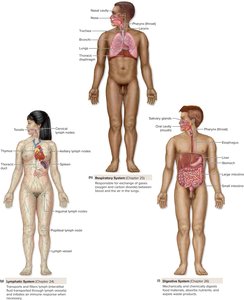
Lymphatic System: Defends against infection and disease, returns tissue fluids to the bloodstream.
Respiratory System: Delivers air to sites where gas exchange occurs.
Digestive System: Processes food, absorbs nutrients, and eliminates waste.
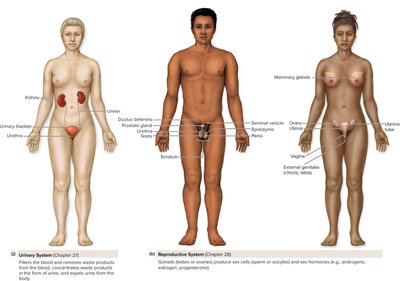
Urinary System: Eliminates waste, regulates water and electrolyte balance.
Reproductive System: Produces gametes and hormones for reproduction.
Anatomical Terminology
Body Planes and Sections
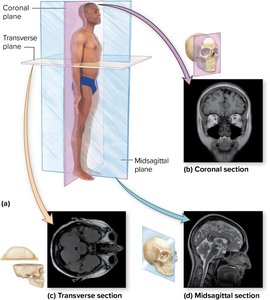
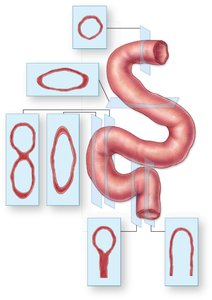
Body planes are imaginary lines used to divide the body for anatomical study and medical imaging.
Coronal (Frontal) Plane: Divides the body into anterior (front) and posterior (back) portions.
Transverse (Horizontal) Plane: Divides the body into superior (upper) and inferior (lower) portions.
Midsagittal (Median) Plane: Divides the body into equal right and left halves.
Directional Terms
Directional terms describe the positions of structures relative to other structures or locations in the body.
Anterior (Ventral): Toward the front of the body.
Posterior (Dorsal): Toward the back of the body.
Superior: Toward the head or upper part of a structure.
Inferior: Away from the head or toward the lower part of a structure.
Medial: Toward the midline of the body.
Lateral: Away from the midline of the body.
Proximal: Closer to the point of attachment or origin.
Distal: Farther from the point of attachment or origin.
Body Regions
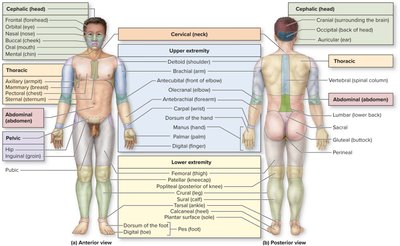
The body is divided into specific regions for precise anatomical reference.
Cephalic (Head)
Cervical (Neck)
Thoracic (Chest)
Abdominal (Abdomen)
Pelvic (Pelvis)
Upper Extremity (Arm)
Lower Extremity (Leg)

Body Cavities and Membranes
Major Body Cavities
Body cavities protect internal organs and allow for changes in organ shape and size.
Dorsal Cavity: Contains the cranial cavity (brain) and vertebral canal (spinal cord).
Ventral Cavity: Divided into the thoracic cavity (heart and lungs) and abdominopelvic cavity (digestive, urinary, and reproductive organs).
Serous Membranes
Serous membranes line body cavities and cover organs, reducing friction through the secretion of serous fluid.
Pleura: Surrounds the lungs.
Pericardium: Surrounds the heart.
Peritoneum: Surrounds abdominal organs.

Abdominopelvic Regions and Quadrants
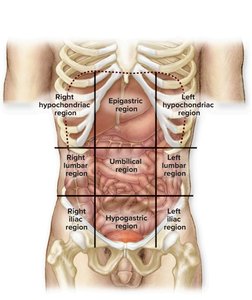
The abdominopelvic cavity is divided into regions and quadrants for clinical and anatomical reference.
Nine Regions: Right/left hypochondriac, epigastric, right/left lumbar, umbilical, right/left iliac, hypogastric.
Four Quadrants: Right upper (RUQ), left upper (LUQ), right lower (RLQ), left lower (LLQ).

Medical Imaging in Anatomy
Common Imaging Techniques
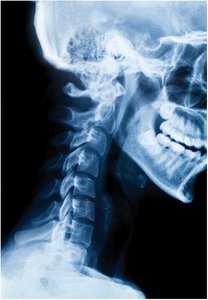
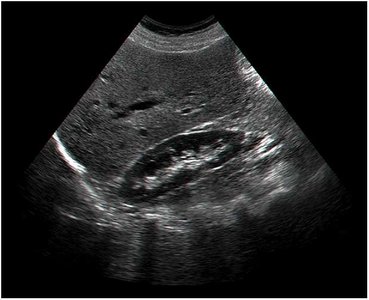
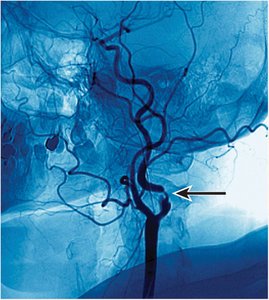
Medical imaging allows visualization of internal structures for diagnosis and study.
X-ray: Uses ionizing radiation to view bones and dense structures.
Ultrasound: Uses high-frequency sound waves to visualize soft tissues.
Angiography: Visualizes blood vessels using contrast dye and X-rays.
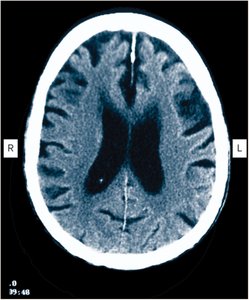
CT (Computed Tomography): Produces cross-sectional images using X-rays and computer processing.
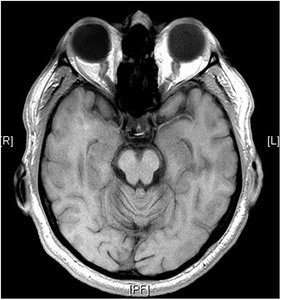
MRI (Magnetic Resonance Imaging): Uses magnetic fields and radio waves to produce detailed images of soft tissues.
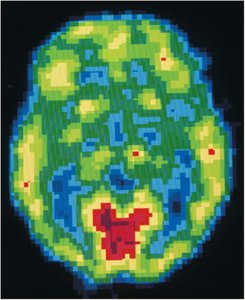
PET (Positron Emission Tomography): Shows metabolic activity using radioactive tracers.
Summary Table: Major Organ Systems and Functions
Organ System | Main Functions |
|---|---|
Integumentary | Protection, temperature regulation, sensation |
Skeletal | Support, protection, blood cell formation |
Muscular | Movement, posture, heat production |
Nervous | Control, coordination, response to stimuli |
Endocrine | Hormone production, regulation of metabolism |
Cardiovascular | Transport of nutrients, gases, wastes |
Lymphatic | Immunity, fluid balance |
Respiratory | Gas exchange |
Digestive | Breakdown and absorption of nutrients |
Urinary | Waste elimination, water balance |
Reproductive | Production of gametes, hormone secretion |
Additional info: This guide provides foundational concepts for further study in anatomy and physiology, including terminology, body organization, and clinical applications.
