 Back
BackIntroduction to Anatomy, Physiology, and Metabolism
Study Guide - Smart Notes
 Tailored notes based on your materials, expanded with key definitions, examples, and context.
Welcome to Anatomy & Physiology II
Course Overview
This course, Anatomy and Physiology II, continues the exploration of the human body, focusing on the structure and function of organ systems, cellular processes, and the biochemical mechanisms that sustain life. The course uses the textbook "Marieb Human Anatomy & Physiology" (12th Edition) as its primary reference.
The Human Body: An Orientation
Major Organ Systems and Their Functions
The human body is organized into several organ systems, each with specialized functions essential for maintaining homeostasis and supporting life. Below is a summary of key systems and their primary roles:
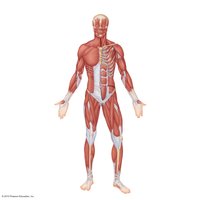
Muscular System: Enables movement, maintains posture, and produces heat.
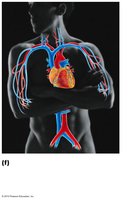
Cardiovascular System: Transports blood, oxygen, nutrients, and waste products throughout the body.
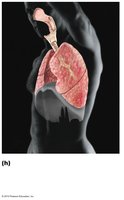
Respiratory System: Facilitates gas exchange, supplying oxygen and removing carbon dioxide.
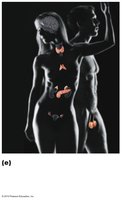
Endocrine System: Secretes hormones to regulate growth, metabolism, and reproduction.
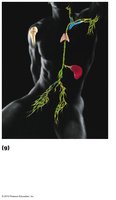
Lymphatic/Immune System: Returns leaked fluids to blood, disposes of debris, and houses immune cells.
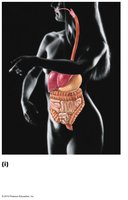
Digestive System: Breaks down food, absorbs nutrients, and eliminates waste.
Urinary System: Eliminates nitrogenous wastes and regulates water, electrolytes, and acid-base balance.
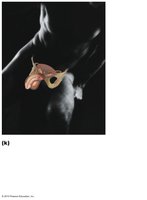
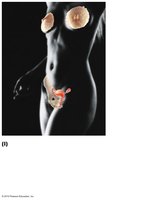
Reproductive System: Produces offspring and sex hormones; supports fertilization and fetal development.

Cells: The Living Units
Cellular Composition and Diversity
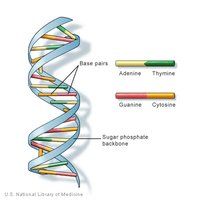
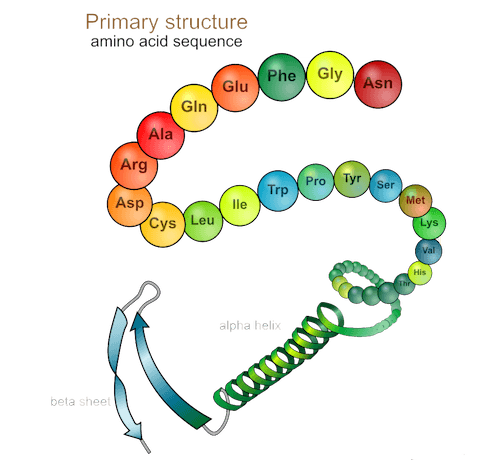
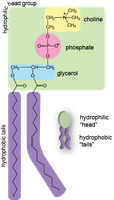
All cells in the human body are constructed from four fundamental types of biomolecules:
Carbohydrates
Proteins
Lipids
Nucleic acids
Despite their diverse functions, all cells share these building blocks. The activation of different genes allows for the specialization of cell types.
Metabolism and Cellular Respiration
Introduction to Metabolism
Metabolism refers to all biochemical reactions occurring within cells, involving nutrients to sustain life. These reactions are classified as:
Anabolism: Synthesis of large molecules from smaller ones (e.g., amino acids forming proteins).
Catabolism: Breakdown of complex molecules into simpler ones (e.g., proteins breaking down into amino acids).
Metabolism is essential for energy production, growth, maintenance, and repair.
Cellular Respiration
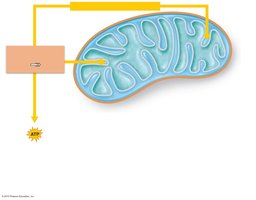
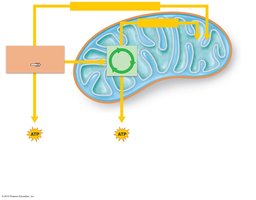
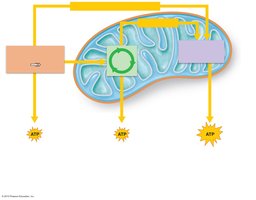
Cellular respiration is the process by which cells extract energy from nutrients, primarily glucose, to produce ATP (adenosine triphosphate). This process involves three main stages:
Glycolysis: Occurs in the cytosol; glucose is broken down into pyruvic acid, producing a small amount of ATP.
Krebs Cycle (Citric Acid Cycle): Takes place in the mitochondrial matrix; pyruvic acid is further broken down, releasing CO2 and transferring high-energy electrons to coenzymes.
Electron Transport Chain and Oxidative Phosphorylation: Occurs in the inner mitochondrial membrane; high-energy electrons are used to generate the majority of ATP.
The overall goal is to trap chemical energy in ATP, the "energy currency" of the cell.
ATP: The Cellular Energy Currency
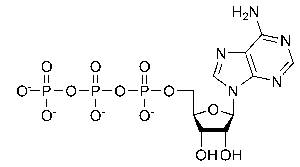
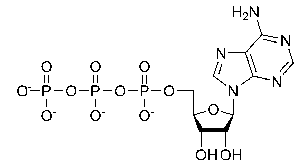
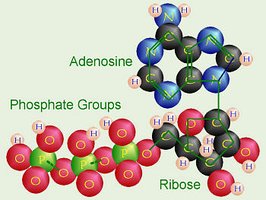
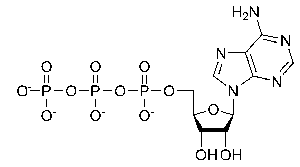
ATP (adenosine triphosphate) is the primary molecule for storing and transferring energy in cells. By donating its terminal phosphate group, ATP provides energy for various cellular processes. The process of transferring a phosphate group to another molecule is called phosphorylation, which activates the recipient molecule for cellular functions.
Stages of Metabolism
The processing of nutrients for energy and biosynthesis occurs in three stages:
Digestion, absorption, and transport: Nutrients are broken down in the gastrointestinal tract and transported to tissues.
Cellular processing: Nutrients are either incorporated into macromolecules (anabolism) or broken down into intermediates (catabolism).
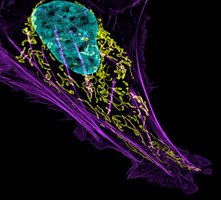
Oxidative breakdown: Intermediates are further oxidized in mitochondria, producing CO2, water, and large amounts of ATP.
Nutrition and Energy Balance
Major Nutrients
Nutrients are substances in food required for growth, maintenance, and repair. They are classified as:
Major nutrients: Carbohydrates, lipids, and proteins (bulk of ingested food).
Other nutrients: Vitamins and minerals (required in small amounts).
Water: Essential for all physiological processes.
Energy value of food is measured in kilocalories (kcal), defined as the heat needed to raise the temperature of 1 kg of water by 1°C.
Food Groups and Dietary Recommendations
Fruits
Vegetables
Grains
Protein
Dairy
Recommendations include eating a variety of foods, emphasizing fruits, vegetables, and whole grains, while limiting processed foods and maintaining regular physical activity.
Summary Table: Major Organ Systems and Functions
Organ System | Main Functions |
|---|---|
Muscular | Movement, posture, heat production |
Cardiovascular | Transport of blood, oxygen, nutrients, wastes |
Respiratory | Gas exchange (O2/CO2) |
Endocrine | Hormone secretion, regulation of metabolism |
Lymphatic/Immune | Fluid return, immune defense |
Digestive | Breakdown and absorption of nutrients |
Urinary | Waste elimination, water/electrolyte balance |
Reproductive | Production of offspring, sex hormones |
Key Equations
Glucose (C6H12O6) + 6 O2 → 6 CO2 + 6 H2O + ATP (energy)
Additional info:
Muscle and nerve cells have high energy demands and require abundant glucose and oxygen for ATP production.
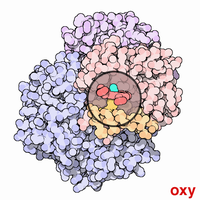
Hemoglobin in red blood cells transports oxygen to tissues, while insulin facilitates glucose uptake into cells.
