 Back
Introduction to Eukaryotic Cells: Structure, Function, and Diversity
Study Guide - Smart Notes
 Tailored notes based on your materials, expanded with key definitions, examples, and context.
Introduction to Eukaryotic Cells
Overview of Eukaryotes
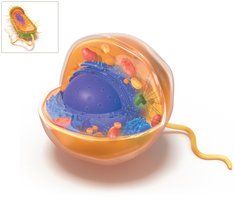
Eukaryotic cells are complex cells that contain a nucleus and various membrane-bound organelles. They are found in plants, animals, fungi, and protists. Eukaryotes differ from prokaryotes in size, complexity, and cellular organization.
Eukaryotes have a defined nucleus and multiple linear chromosomes.
Prokaryotes lack a nucleus and have a single circular chromosome.
Eukaryotic cells are generally larger and more complex than prokaryotic cells.
The Endosymbiotic Theory
Origin of Eukaryotic Cells
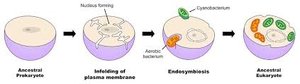
The endosymbiotic theory explains the evolution of eukaryotic cells from ancestral prokaryotes through a series of symbiotic events. This theory is supported by the presence of mitochondria and chloroplasts, which share similarities with bacteria.
Mitochondria evolved from engulfed nonphotosynthetic prokaryotes (possibly Rickettsia species).
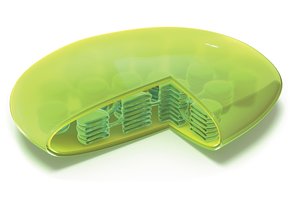
Chloroplasts evolved from engulfed photosynthetic prokaryotes (such as cyanobacteria).
Evidence includes their own circular DNA, 70S ribosomes, double membranes, and replication by binary fission.
Eukaryotic Cell Structures
Membrane-Bound Organelles
Eukaryotic cells contain a variety of organelles, each with specialized functions. These structures are essential for cellular processes such as energy production, protein synthesis, and waste removal.
Nucleus: Contains genetic material (DNA).
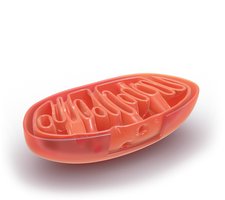
Mitochondria: Site of ATP production.
Golgi apparatus: Modifies, sorts, and packages proteins and lipids.
Endoplasmic reticulum (ER): Rough ER synthesizes proteins; smooth ER synthesizes lipids and detoxifies substances.
Lysosomes: Contain hydrolytic enzymes for digestion.
Peroxisomes: Break down fatty acids and detoxify harmful substances.
Cell Division in Eukaryotes
Mitosis and Meiosis
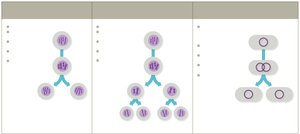
Eukaryotic cells divide by mitosis for growth and repair, and by meiosis for sexual reproduction. These processes ensure genetic continuity and diversity.
Mitosis: Produces two genetically identical diploid cells.
Meiosis: Produces four genetically unique haploid gametes; involves crossing over for genetic recombination.
Prokaryotes divide by binary fission, producing two identical cells.
Transport Mechanisms in Eukaryotic Cells
Endocytosis and Exocytosis
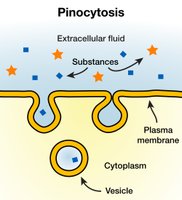
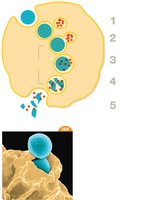
Eukaryotic cells use specialized mechanisms to transport materials across their plasma membrane. Endocytosis brings substances into the cell, while exocytosis expels materials.
Endocytosis: Includes pinocytosis (cell drinking), phagocytosis (cell eating), and receptor-mediated endocytosis.
Exocytosis: Vesicles fuse with the plasma membrane to release contents outside the cell.
Classification of Eukaryotes
The Four Kingdoms of Eukaryotes
Eukaryotic organisms are classified into four kingdoms: Animals, Plants, Fungi, and Protists. Each kingdom has unique characteristics and modes of nutrition.
Animals: Multicellular, heterotrophic, lack cell walls.
Plants: Multicellular, autotrophic, have cell walls made of cellulose.
Fungi: Mostly multicellular (except yeasts), absorb nutrients, have cell walls made of chitin.
Protists: Diverse group, can be unicellular or multicellular, autotrophic or heterotrophic.
Parasitic Helminths
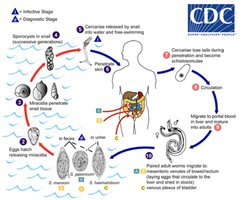
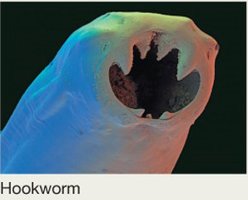
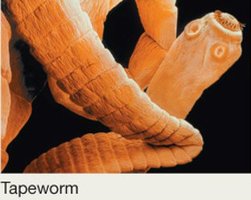
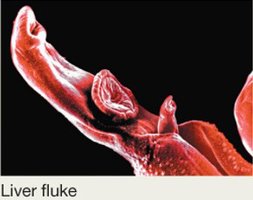
Helminths are parasitic worms that infect humans and animals. They include roundworms (nematodes) and flatworms (platyhelminths).
Complex life cycles, often involving multiple hosts.
Spread in microscopic forms such as eggs or larvae.
Fungi
Fungi are a diverse kingdom that includes molds, yeasts, and mushrooms. They play important roles as decomposers, pathogens, and in symbiotic relationships.
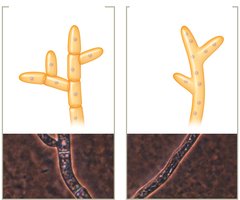
Most fungi grow as hyphae (filamentous structures).
Hyphae can be septate (with divisions) or aseptate (without divisions).
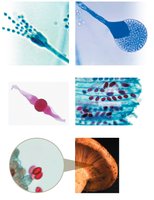
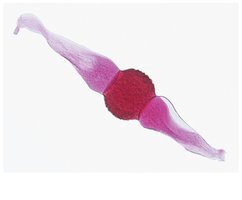
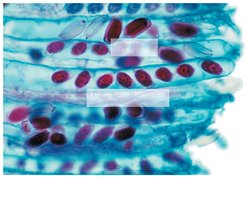
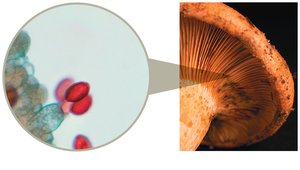
Fungi reproduce by forming spores, which can be asexual or sexual.
Fungal Diseases (Mycoses)
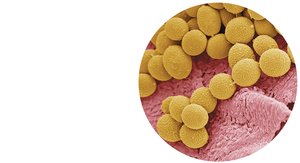
Mycoses are diseases caused by fungi. They are more common in immunocompromised individuals and can affect the skin, nails, and internal organs.
Dermatophytes: Infect skin, hair, and nails (e.g., tinea unguium, athlete's foot).
Some fungi produce mycotoxins, which can be harmful if ingested or inhaled.

Protists
Protists are a diverse group of eukaryotes that do not fit into the other kingdoms. They include algae, slime molds, and protozoans.
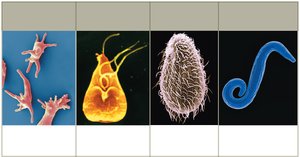
Protozoans are classified by their mode of movement: amoeboid (pseudopods), flagellated (flagella), ciliated (cilia), and spore-forming (gliding).
Some protozoans are important human pathogens (e.g., Plasmodium causes malaria).
Extracellular Structures
Plasma Membrane and Cell Wall
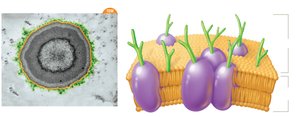
All eukaryotic cells have a plasma membrane composed of a phospholipid bilayer with embedded proteins and sterols. Some eukaryotes also have a cell wall for additional support and protection.
Fungal cell walls contain chitin; plant cell walls contain cellulose.
Animal cells lack cell walls but may have a glycocalyx for protection and adhesion.
Flagella and Cilia
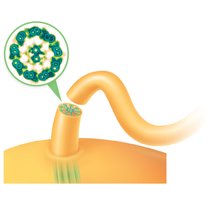
Eukaryotic flagella and cilia are used for movement. Flagella are long and few, while cilia are short and numerous. Both have a 9+2 arrangement of microtubules.
Flagella move in a wave-like motion; cilia move with a power and recovery stroke.
Intracellular Structures
Ribosomes
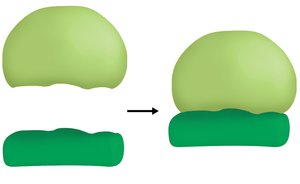
Ribosomes are the sites of protein synthesis. Eukaryotic ribosomes are 80S, composed of 60S and 40S subunits. Mitochondria and chloroplasts contain 70S ribosomes, similar to those in prokaryotes.
Cytoskeleton
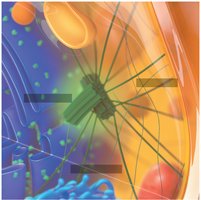
The cytoskeleton is a network of protein fibers that provides structural support, facilitates movement, and organizes cellular components.
Microtubules: Hollow tubes made of tubulin; form the mitotic spindle and serve as tracks for organelle movement.
Intermediate filaments: Provide tensile strength.
Microfilaments: Made of actin; involved in cell movement and shape changes.
Nucleus
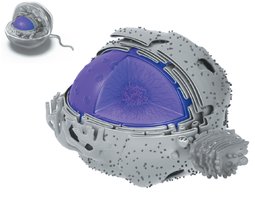
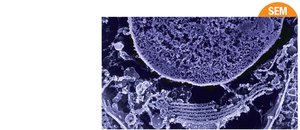
The nucleus is the control center of the cell, housing DNA and the nucleolus. It is surrounded by a double-membrane nuclear envelope with pores for molecular transport.
Endoplasmic Reticulum (ER)
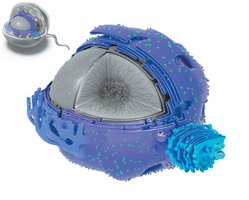
The ER is a network of membranes involved in protein and lipid synthesis. The rough ER is studded with ribosomes, while the smooth ER is involved in lipid synthesis and detoxification.
Golgi Apparatus
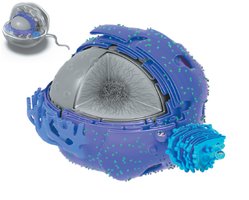
The Golgi apparatus modifies, sorts, and packages proteins and lipids for delivery to various destinations within or outside the cell.
Vesicles and Vacuoles
Vesicles are small membrane-bound sacs that transport materials within the cell. Vacuoles are larger sacs, prominent in plant and fungal cells, used for storage and maintaining osmotic balance.
Mitochondria and Chloroplasts
Mitochondria are the powerhouses of the cell, generating ATP through cellular respiration. Chloroplasts, found in plants and algae, carry out photosynthesis. Both organelles have double membranes, their own DNA, and 70S ribosomes.
Visual Summary
Clinical Application
Case Study: Yeast and Protozoan Infections
Clinical cases often involve distinguishing between different types of eukaryotic pathogens, such as fungi (e.g., Candida albicans) and protozoa (e.g., Trichomonas vaginalis). Understanding their cellular features, modes of reproduction, and susceptibility to drugs is essential for diagnosis and treatment.
Antibiotic therapy can disrupt normal microbiota, leading to fungal overgrowth.
Antifungal drugs like fluconazole target ergosterol synthesis in fungal membranes, which is not present in human cells.
