 Back
BackIntroduction to Human Anatomy & Physiology: Orientation and Foundational Concepts
Study Guide - Smart Notes
 Tailored notes based on your materials, expanded with key definitions, examples, and context.
The Human Body: An Orientation
Course Introduction to Anatomy & Physiology I
This unit introduces the foundational concepts of anatomy and physiology, focusing on the organization, characteristics, and regulatory mechanisms of the human body. Understanding these basics is essential for further study in the biological and health sciences.
Levels of Structural Organization
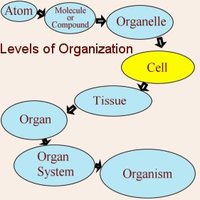
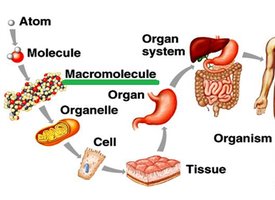
Hierarchy of Biological Organization
Chemical Level: Atoms combine to form molecules and compounds, which are the building blocks of all matter.
Organelle Level: Molecules form organelles, specialized structures within cells that perform distinct functions.
Cellular Level: Cells are the basic structural and functional units of life.
Tissue Level: Groups of similar cells that perform a common function.
Organ Level: Structures composed of at least two types of tissues that perform specific functions.
Organ System Level: Groups of organs that work together to accomplish a common purpose.
Organismal Level: The sum total of all structural levels working together to keep the organism alive.
Anatomy & Physiology Defined
Distinguishing Structure and Function
Anatomy: The study of the structure of body parts and their relationships to one another.
Physiology: The study of the function of the body’s structural machinery—how the body parts work and carry out their life-sustaining activities.
Principle of Complementarity: Function always reflects structure; what a structure can do depends on its specific form.
Areas of Study Related to Anatomy & Physiology
Specialized Fields
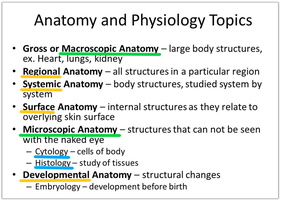
Cytology: The study of individual cells and their structures.
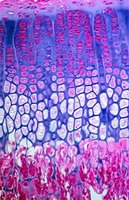
Histology: The study of tissues, which are groups of similar cells performing a common function.

Characteristics of Life
Necessary Life Functions
Maintenance of Boundaries: Separation between internal and external environments must exist.
Digestion: Breakdown of ingested foodstuffs into simple molecules that can be absorbed into the blood.
Growth: Increase in size of a body part or the organism as a whole.
Excretion: Removal of wastes produced by metabolism and digestion.
Reproduction: Cellular division for growth or repair, and production of offspring.
Movement: Activities promoted by the muscular system, including movement of body parts and substances.
Metabolism: All chemical reactions that occur within body cells.
Responsiveness/Excitability: Ability to sense changes in the environment and respond to them.
Survival Needs
Basic Requirements for Human Life
Nutrients: Chemicals for energy and cell building (carbohydrates, proteins, fats, minerals, vitamins).
Oxygen: Essential for energy release (ATP production) from foods.
Water: Most abundant chemical in the body; provides the environment for metabolic reactions.
Stable Body Temperature: Necessary for chemical reactions to occur at life-sustaining rates.
Pressure: Atmospheric and hydrostatic pressures are required for breathing and proper blood flow.
Organ Systems of the Human Body
Overview of Major Systems
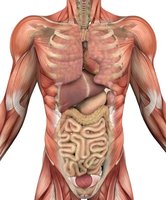
The human body is organized into organ systems, each with specific functions that contribute to the maintenance of homeostasis and overall health.
Integumentary System
Skeletal System
Muscular System
Nervous System
Endocrine System
Cardiovascular System
Lymphatic System
Respiratory System
Digestive System
Urinary System
Reproductive System
Homeostasis & Feedback Loop Systems
Maintaining Internal Balance
Homeostasis: The maintenance of a relatively stable internal environment despite continuous outside changes.
All body systems contribute to homeostasis, which is essential for survival.
Disruptions in homeostasis can lead to disease or death.
Feedback Loops
Feedback Loops: Mechanisms that the body uses to monitor, evaluate, and change physiological conditions to maintain homeostasis.
Three main components: Receptor (detects change), Control Center (processes information and determines response), Effector (carries out response).
Types of Feedback Loops
Negative Feedback Loop: Reverses a change to bring the system back to its set point. Most common in the body. Examples: Regulation of blood pressure, blood glucose, and body temperature.
Positive Feedback Loop: Enhances or intensifies the original stimulus, moving the system further from its starting state. Rare and usually self-limiting. Examples: Childbirth contractions, blood clotting.
Imbalances in Homeostasis
Disorders, Diseases, and Death
Disorder: Any abnormality of structure or function.
Disease: A specific illness with recognizable signs and symptoms.
Death: Failure to maintain homeostasis can ultimately result in death.
Signs: Objective changes that can be observed and measured (e.g., fever, rash).
Symptoms: Subjective changes not apparent to an observer (e.g., pain, fatigue).
Summary Table: Levels of Structural Organization
Level | Description | Example |
|---|---|---|
Chemical | Atoms and molecules | Oxygen, water |
Organelle | Specialized subunits within a cell | Mitochondria, nucleus |
Cellular | Basic unit of life | Muscle cell, neuron |
Tissue | Group of similar cells | Muscle tissue |
Organ | Structure composed of tissues | Heart, stomach |
Organ System | Group of organs working together | Digestive system |
Organism | All organ systems combined | Human being |
Additional info: This guide covers foundational concepts from "The Human Body: An Orientation" and related introductory topics, providing a basis for further study in anatomy and physiology.
