 Back
BackIntroduction to Human Anatomy & Physiology: Structure, Function, and Chemical Foundations
Study Guide - Smart Notes
 Tailored notes based on your materials, expanded with key definitions, examples, and context.
Introduction to Anatomy & Physiology
Definition and Importance
Anatomy and physiology are foundational sciences for understanding the human body. Anatomy is the study of body structures, while physiology focuses on how living organisms perform vital functions. The relationship between form and function is central: the structure of a body part determines its function.
Anatomy: Examines the physical structures of organisms.
Physiology: Explores the mechanisms and processes that allow organisms to function.
Interrelation: Form and function are closely linked; changes in structure affect function.
Characteristics of the Human Body
Key Features
The human body exhibits several essential characteristics that enable life and adaptation.
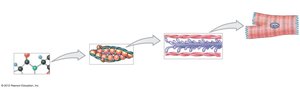
Organization: Increasing complexity from atoms to organism.
Adaptability: Ability to respond to internal and external stimuli.
Homeostasis: Maintenance of stable internal conditions.
Movement: Includes cellular, organ, and whole-body movement.
Development: Growth (increase in size) and differentiation (specialization of cells).
Reproduction: Formation of new individuals.
Vital Functions: Respiration, circulation, digestion, excretion.
Levels of Organization in the Human Body
Hierarchical Structure
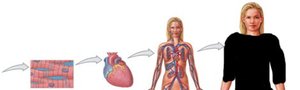
The human body is organized into increasing levels of complexity, each with distinct structural and functional roles.
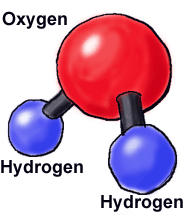
Atom: Smallest unit of an element (e.g., hydrogen).
Molecule: Two or more atoms bonded together (e.g., water).
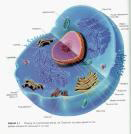
Organelle: Specialized compartments within cells (e.g., Golgi apparatus).
Cell: Basic unit of life capable of independent existence (e.g., endothelial cell).
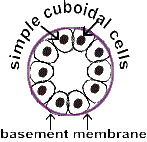
Tissue: Group of cells performing a specific function (e.g., endothelial layer).
Organ: Combination of tissues working together (e.g., kidney).
Organ System: Group of organs performing related functions (e.g., cardiovascular system).
Organism: Complete living entity.
Sectional Anatomy
Body Planes and Sections
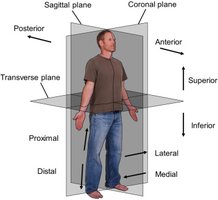
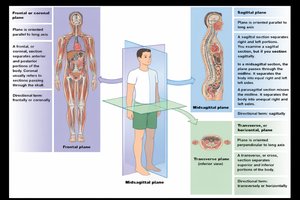
Sectional anatomy uses planes to describe locations and divisions within the body, aiding in anatomical study and medical imaging.
Frontal (Coronal) Plane: Divides body into anterior and posterior portions.
Sagittal Plane: Divides body into left and right portions. Midsagittal is at the midline; parasagittal is offset.
Transverse Plane: Divides body into superior and inferior portions (cross section).
Organ Systems Overview
Major Organ Systems and Their Functions
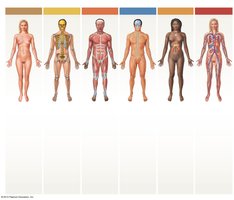
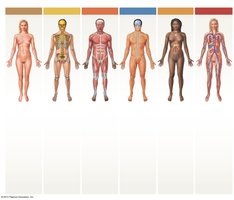
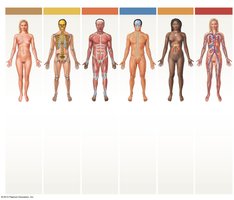
The human body is composed of multiple organ systems, each with specialized functions essential for survival and homeostasis.
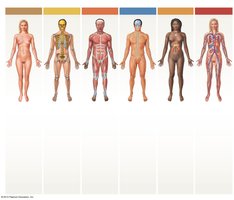
Integumentary System: Skin, hair, sweat glands, nails. Protects, regulates temperature, sensory information, vitamin D production.
Skeletal System: Bones, cartilages, ligaments, bone marrow. Support, protection, movement, mineral storage, blood cell formation.
Muscular System: Skeletal muscles, tendons. Movement, protection, heat generation.
Nervous System: Brain, spinal cord, nerves, sense organs. Sensory information, rapid response, coordination.
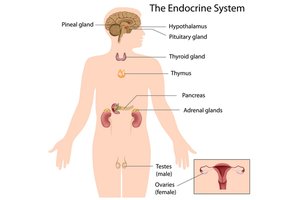
Endocrine System: Glands (pituitary, thyroid, adrenal, etc.), pancreas, gonads. Long-term regulation, metabolism, development.
Cardiovascular System: Heart, blood, blood vessels. Transport, heat distribution.
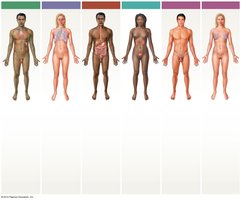
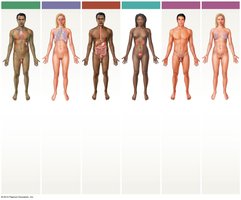
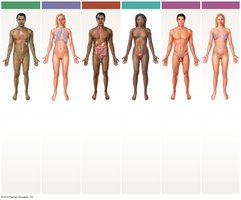
Lymphatic System: Spleen, thymus, lymph nodes, vessels, tonsils. Defense, fluid return.
Respiratory System: Nasal cavities, lungs, bronchi, alveoli. Gas exchange, sound production.
Digestive System: Mouth, stomach, intestines, liver, pancreas. Food processing, nutrient absorption, water conservation.
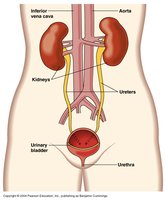
Urinary System: Kidneys, ureters, bladder, urethra. Waste excretion, water balance, ion regulation.
Reproductive System: Ovaries, uterine tubes, uterus, mammary glands (female). Sex cell production, hormone secretion, support of offspring.
Homeostasis
Definition and Mechanisms
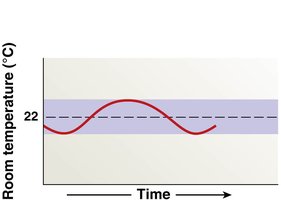
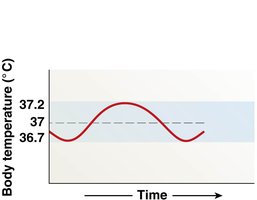
Homeostasis is the body's ability to maintain stable internal conditions despite external changes. Organ systems work together to keep parameters within physiological limits.
Set Point: Ideal normal value for a parameter.
Range: Acceptable variation around the set point.
Example: Blood glucose (80-120 mg/dL), body temperature (37°C).
Regulatory Systems
Nervous System: Uses electrical impulses for rapid control.
Endocrine System: Uses hormones for slower, long-term regulation.
Feedback Mechanisms
Homeostasis is maintained through feedback cycles:
Receptor: Detects changes.
Control Center: Processes information and directs response.
Effector: Carries out the response.
Negative Feedback
Negative feedback opposes deviations from normal, restoring homeostasis. The effector's response negates the stimulus.
Example: Body temperature regulation—when temperature rises, blood vessels dilate and sweat glands activate to cool the body.
Positive Feedback
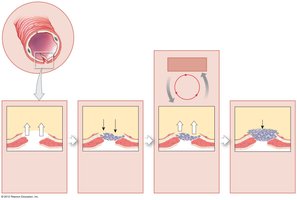
Positive feedback amplifies changes, moving the body away from homeostasis. Used for rapid processes, such as blood clotting.
Example: Blood clotting—chemicals released at injury site accelerate clot formation until bleeding stops.
Basic Chemistry for Anatomy & Physiology
Atoms and Elements
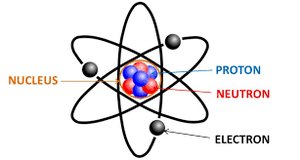
Chemistry is essential for understanding cellular and physiological processes. Atoms are the smallest units of matter, composed of protons, neutrons, and electrons.
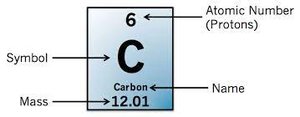
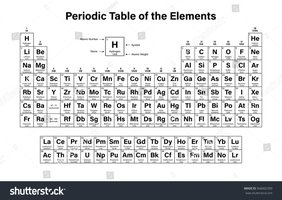
Atomic Number: Number of protons; defines the element.
Atomic Mass: Number of protons plus neutrons.
Isotopes: Atoms of the same element with different numbers of neutrons.
Chemical Bonding
Atoms form bonds to achieve stability, creating molecules and compounds.
Ionic Bonds: Complete transfer of electrons; forms ions (cations and anions).
Covalent Bonds: Sharing of electrons; can be polar (unequal sharing) or nonpolar (equal sharing).
Hydrogen Bonds: Weak attraction between polar molecules, important in water and biological molecules.

Water: The Universal Solvent
Water is the most important inorganic compound in the body, accounting for up to two-thirds of body weight. Its properties are essential for life.
Solvent: Dissolves many substances.
Reactivity: Participates in chemical reactions.
High Heat Capacity: Absorbs and releases heat slowly.
Lubrication: Reduces friction.
Acids, Bases, and pH
Acids and bases regulate hydrogen ion concentration in body fluids. The pH scale measures this concentration.
Acid: Adds hydrogen ions (H+) to a solution.
Base: Removes hydrogen ions.
Salt: Dissociates into ions other than H+ or OH-.
pH Scale: Ranges from 0 (acidic) to 14 (basic); blood pH is 7.35–7.45.
Buffers: Stabilize pH by neutralizing acids or bases.
Summary Table: Levels of Organization
Level | Description | Example |
|---|---|---|
Atom | Smallest unit of an element | Hydrogen |
Molecule | Two or more atoms bonded | Water (H2O) |
Organelle | Specialized cell compartment | Golgi apparatus |
Cell | Basic unit of life | Endothelial cell |
Tissue | Group of cells with function | Endothelial layer |
Organ | Combination of tissues | Kidney |
Organ System | Group of organs | Cardiovascular system |
Organism | Complete living entity | Human |
Summary Table: Types of Chemical Bonds
Bond Type | Mechanism | Example |
|---|---|---|
Ionic | Transfer of electrons | Sodium chloride (NaCl) |
Covalent | Sharing of electrons | Water (H2O) |
Hydrogen | Weak attraction between molecules | Between water molecules |
Key Equations
Atomic Mass Number:
pH Calculation:
Additional info: Academic context was added to clarify feedback mechanisms, chemical bonding, and levels of organization. Images were included only when directly relevant to the explanation.
