 Back
BackIntroduction to Physiology and Homeostasis: Foundations of Human Anatomy & Physiology
Study Guide - Smart Notes
 Tailored notes based on your materials, expanded with key definitions, examples, and context.
Introduction to Physiology and Homeostasis
Key Concepts in Anatomy & Physiology
This section introduces the foundational concepts of anatomy and physiology, emphasizing their definitions, the principle of complementarity, and the hierarchical organization of the human body. Understanding these basics is essential for further study in human biology and health sciences.
Anatomy: The study of the structure of the body and its parts.
Physiology: The study of the functions and processes of living organisms.
Complementarity of Structure and Function: Structure determines function; anatomical features are designed to perform specific physiological roles.
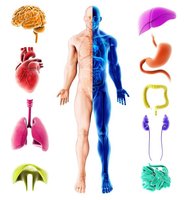
Topics of Physiology
Physiology can be studied at various levels, from organ systems to cellular and molecular mechanisms. It relies on principles from physics and chemistry to explain how the body works.
Organ system focus (e.g., cardiovascular, renal physiology)
Cellular and molecular processes (e.g., chemical reactions, ion movement)
Physical principles (e.g., pressure, electrical currents)
Chemical principles (e.g., pH, acids, bases)
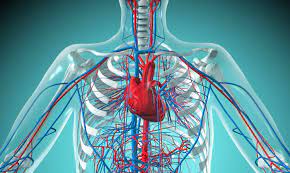
Complementarity of Structure and Function
Principle of Complementarity
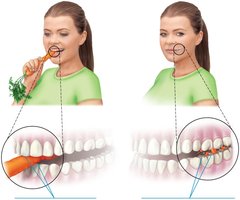
Anatomy and physiology are inseparable because the structure of a body part enables its function. This principle is evident in various organs and tissues.
Example: The sharp edges of incisors are ideal for cutting, while the flat surfaces of molars are suited for grinding food.
Levels of Structural Organization
Hierarchy of Organization
The human body is organized into a hierarchy of structural levels, each building on the previous one:
Chemical Level: Atoms (mainly oxygen, carbon, hydrogen, nitrogen) combine to form molecules.
Cellular Level: Cells are the basic units of life, each with specialized functions.
Tissue Level: Groups of similar cells form tissues (epithelial, connective, muscle, nervous).
Organ Level: Different tissues combine to form organs with specific functions.
Organ System Level: Organs work together in systems (e.g., digestive, respiratory).
Organismal Level: All systems function together to sustain life.
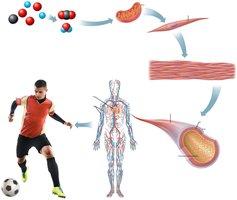
The Cellular Level
Cells are the fundamental units of life, capable of performing all basic life functions. In multicellular organisms, cells differentiate to perform specialized roles.
Basic Cell Functions: Obtaining nutrients and oxygen, energy production, waste elimination, protein synthesis, material transport, environmental response, and reproduction.
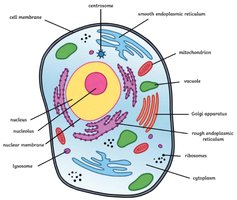
Overview of Four Basic Tissue Types
The body is composed of four primary tissue types, each with distinct roles:
Epithelial Tissue: Forms boundaries, protects, secretes, absorbs, and filters.
Connective Tissue: Supports, protects, and binds other tissues.
Muscle Tissue: Contracts to cause movement.
Nervous Tissue: Enables internal communication.
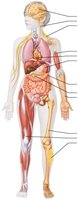
Body Systems and Their Components
Major Organ Systems
The human body consists of several organ systems, each with specialized functions that contribute to overall health and homeostasis:
Circulatory
Digestive
Respiratory
Urinary
Skeletal
Muscular
Integumentary
Lymphatic
Nervous
Endocrine
Reproductive
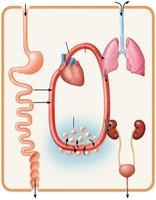
Interrelationships Among Body Systems
Organ systems interact to maintain the internal environment. For example, the cardiovascular system distributes nutrients and oxygen, while the respiratory, digestive, and urinary systems manage gas exchange, nutrient absorption, and waste elimination.
Example: Oxygen from the respiratory system is transported by the cardiovascular system to tissues, while waste products are removed by the urinary system.
Necessary Life Functions and Survival Needs
Life Functions
To sustain life, organisms must perform several essential functions:
Maintaining boundaries
Movement
Responsiveness to stimuli
Digestion
Metabolism (catabolism and anabolism)
Excretion
Reproduction
Growth
Survival Needs
Humans require certain environmental factors to survive:
Nutrients (for energy and cell building)
Oxygen (for energy release from food)
Water (most abundant chemical in the body)
Regulated body temperature (around 98.6°F)
Regulated atmospheric pressure (for breathing)

Homeostasis: The Central Theme
Definition and Importance
Homeostasis is the maintenance of a stable internal environment despite external changes. It is a dynamic state of equilibrium, essential for health and survival, and is maintained by all organ systems, especially the nervous and endocrine systems.

Homeostatically Regulated Factors
Key variables regulated by homeostatic mechanisms include:
Concentration of nutrients, oxygen, and carbon dioxide
Concentration of waste products
pH levels
Water, salt, and electrolyte balance
Blood volume and pressure
Body temperature
Homeostatic Set Points
Each regulated variable has a set point, or ideal value, that the body strives to maintain. For example, body temperature is tightly regulated around 37°C (98.6°F).

Control Systems and Feedback Mechanisms
How Homeostasis is Maintained
Homeostatic control systems detect deviations from set points, integrate information, and initiate responses to restore balance. Control can be intrinsic (within an organ) or extrinsic (involving the nervous and endocrine systems).
Feedback Mechanisms
Negative Feedback: Opposes initial changes, restoring balance (most common mechanism).
Positive Feedback: Enhances or amplifies the original stimulus (less common, but important in specific cases).
Negative Feedback Loop
Negative feedback loops involve a receptor (detects change), control center (processes information), and effector (produces response). This mechanism maintains stability.
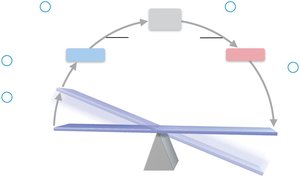
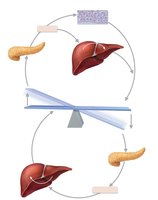
Negative Feedback Example: Blood Glucose Regulation
Blood glucose levels are regulated by insulin and glucagon from the pancreas. When glucose rises, insulin lowers it; when it falls, glucagon raises it.
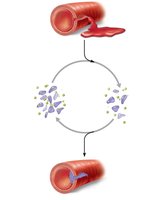
Positive Feedback Example: Platelet Plug Formation
Positive feedback amplifies a process until a specific outcome is achieved. For example, during blood clotting, platelets attract more platelets until a plug is formed.
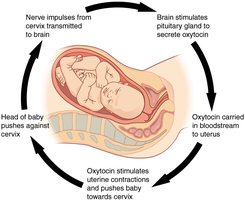
Positive Feedback Example: Childbirth
During labor, uterine contractions push the baby toward the cervix, stimulating the release of oxytocin, which increases contractions until delivery is complete.
Homeostatic Imbalance
Consequences of Disrupted Homeostasis
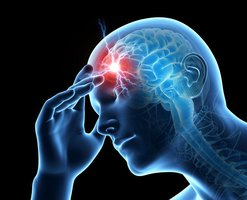
Disturbances in homeostasis increase the risk of disease and contribute to aging. If negative feedback mechanisms fail, harmful positive feedback may dominate, leading to further imbalance.
Summary Table: Comparison of Negative and Positive Feedback
Feedback Type | Direction of Response | Example | Purpose |
|---|---|---|---|
Negative Feedback | Opposes change | Blood glucose regulation | Maintains stability |
Positive Feedback | Amplifies change | Childbirth, blood clotting | Drives process to completion |
Additional info: Homeostasis is a central theme in all physiology and is foundational for understanding disease, adaptation, and the integration of body systems.
