 Back
Introduction to the Human Body: Structure, Function, and Homeostasis
Study Guide - Smart Notes
 Tailored notes based on your materials, expanded with key definitions, examples, and context.
Introduction to the Human Body
Overview of Anatomy and Physiology
The study of the human body is divided into two closely related fields: anatomy and physiology. Anatomy focuses on the structures of body parts and their relationships, while physiology examines how these parts function to sustain life. Understanding both is essential for recognizing normal and abnormal states in clinical practice.
Anatomy: Study of body structures and their relationships.
Physiology: Study of the normal functioning of body parts and how they carry out life-sustaining activities.
Principle of Complementarity: Structure and function are inseparable; the function of a body part always reflects its structure.
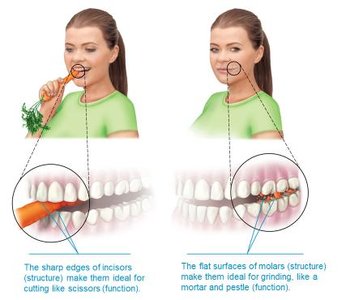
Example: The sharp edges of incisors are ideal for cutting food, while the flat surfaces of molars are suited for grinding, illustrating how structure determines function.
Levels of Structural Organization
Hierarchy of Organization
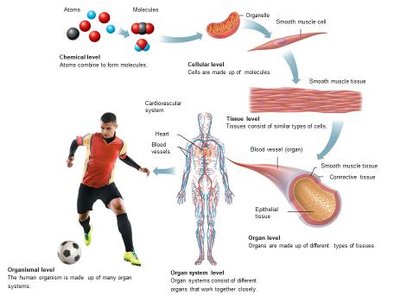
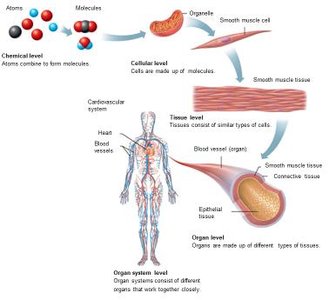
The human body is organized into a hierarchy of structural levels, each building on the previous one. This organization is fundamental to understanding how the body functions as a whole.
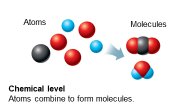
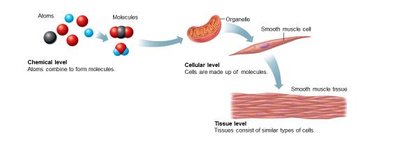
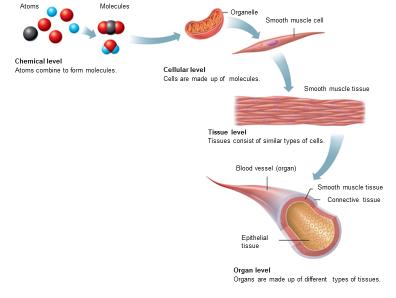
Chemical Level: Atoms combine to form molecules, which are the building blocks of all matter.
Cellular Level: Molecules form organelles, which make up cells—the smallest living units.
Tissue Level: Groups of similar cells form tissues with common functions. Four basic types: epithelial, muscle, connective, and nervous tissue.
Organ Level: Organs are composed of at least two tissue types and perform specific functions.
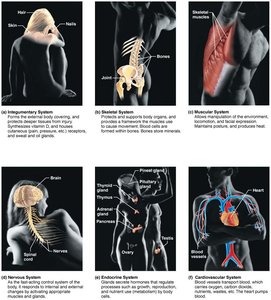
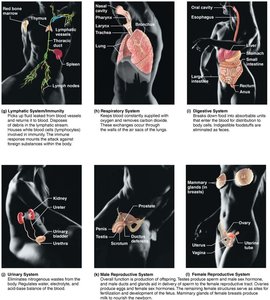
Organ System Level: Organ systems consist of different organs working together for a common purpose. There are 11 major organ systems in the human body.
Organismal Level: The human organism is the sum of all structural levels working together to maintain life.
Chemical Level
Atoms such as carbon, hydrogen, oxygen, nitrogen, phosphorus, calcium, and sulfur are essential for life. These atoms combine to form molecules, including water and macromolecules (carbohydrates, lipids, proteins, nucleic acids).
Cellular Level
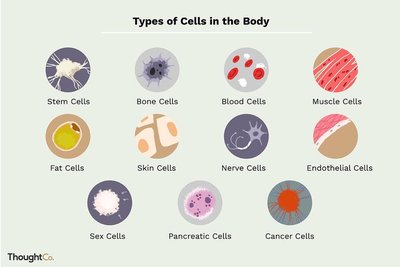
Organelles formed from molecules are the functional components of cells. Cells are the basic structural and functional units of life, with many specialized types reflecting their unique roles in the body.
Tissue Level
Tissues are groups of similar cells performing a common function. The four basic tissue types are:
Epithelial tissue
Muscle tissue
Connective tissue
Nervous tissue
Organ and Organ System Levels
Organs are specialized structures composed of multiple tissue types, each performing specific functions. Organ systems are groups of organs that work together to accomplish common physiological tasks.
Organismal Level
The highest level of organization, where all organ systems function together to maintain the life of the human organism.
Necessary Life Functions
Basic Functions Required for Life
To sustain life, the human body must perform several essential functions:
Maintaining boundaries: Separation between internal and external environments (e.g., plasma membranes, skin).
Movement: Locomotion and movement of substances within the body (muscular, cardiac, and smooth muscle activity).
Responsiveness: Ability to sense and respond to stimuli (e.g., withdrawal reflex, breathing rate adjustment).
Digestion: Breakdown of food and absorption of nutrients.
Metabolism: All chemical reactions in the body, including catabolism (breakdown) and anabolism (synthesis).
Excretion: Removal of metabolic wastes (e.g., urea, carbon dioxide, feces).
Reproduction: Cellular division for growth/repair and production of offspring.
Growth: Increase in size of a body part or the organism as a whole.
Survival Needs
Factors Essential for Human Survival
Humans require several factors in appropriate amounts for survival. Imbalances can be harmful or fatal.
Nutrients: Chemicals for energy and cell building (carbohydrates, proteins, fats, vitamins, minerals).
Oxygen: Essential for energy release from food; survival without oxygen is limited to a few minutes.
Water: Most abundant chemical in the body; necessary for chemical reactions and as a fluid base for secretions/excretions.
Normal body temperature: Required for proper rates of metabolic reactions (optimal at 37°C).
Appropriate atmospheric pressure: Necessary for adequate breathing and gas exchange in the lungs.




Homeostasis
Definition and Importance
Homeostasis is the maintenance of relatively stable internal conditions despite continuous changes in the external environment. It is a dynamic state of equilibrium, essential for health and survival, and is maintained by the coordinated actions of all organ systems.
Homeostatic Control Mechanisms
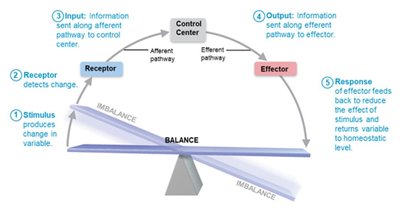
Homeostatic regulation involves three main components:
Receptor: Detects changes (stimuli) and sends information to the control center.
Control Center: Determines the set point, analyzes input, and determines the appropriate response.
Effector: Carries out the response to restore balance; feedback influences the effect of the stimulus.
Negative Feedback Mechanisms
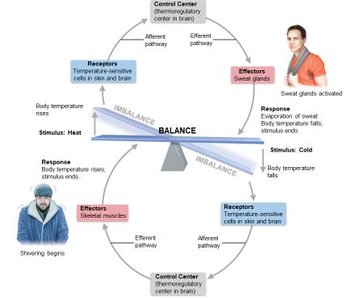
Most homeostatic control mechanisms operate via negative feedback, where the response reduces or shuts off the original stimulus, returning the variable to its ideal value.
Example (Nonbiological): A thermostat regulates room temperature by turning the furnace on or off as needed.
Example (Biological): Regulation of body temperature or blood glucose levels.

Positive Feedback Mechanisms
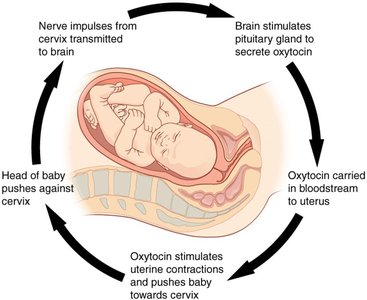
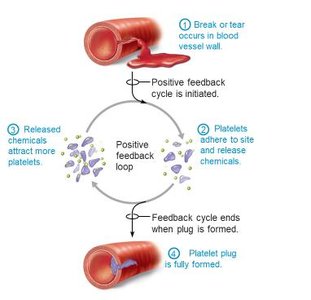
In positive feedback, the response enhances the original stimulus, causing the variable to deviate further from its original value. These mechanisms usually control infrequent events that require rapid responses.
Example: Enhancement of labor contractions by oxytocin.
Example: Platelet plug formation and blood clotting.
Homeostatic Imbalance
When homeostasis fails, it results in a disease state or pathophysiology. For example, diabetes mellitus is characterized by abnormally high blood glucose due to failed homeostatic regulation.
Plasma glucose test | Normal | Prediabetes | Diabetes |
|---|---|---|---|
Random | Below 11.1 mmol/l Below 200 mg/dl | N/A | 11.1 mmol/l or more 200 mg/dl or more |
Fasting | Below 6.1 mmol/l Below 108 mg/dl | 6.1 to 6.9 mmol/l 108 to 125 mg/dl | 7.0 mmol/l or more 126 mg/dl or more |
2 hour post-prandial | Below 7.8 mmol/l Below 140 mg/dl | 7.8 to 11.0 mmol/l 140 to 199 mg/dl | 11.1 mmol/l or more 200 mg/dl or more |
Clinical Relevance
Understanding anatomy and physiology is foundational for clinical care. Recognizing normal structure and function allows clinicians to detect dysfunction early and intervene appropriately. Homeostatic mechanisms underlie many clinical interventions, such as administering insulin (negative feedback) or monitoring labor progression (positive feedback).
Additional info: The study of pathophysiology helps clinicians understand how diseases disrupt normal homeostatic mechanisms, guiding diagnosis and treatment.
