 Back
Lipids: Structure, Function, and Health Implications
Study Guide - Smart Notes
 Tailored notes based on your materials, expanded with key definitions, examples, and context.
Lipids: Structure, Function, and Health Implications
What Are Lipids?
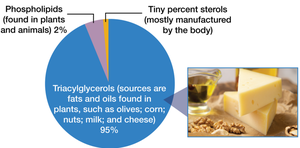
Lipids are a diverse group of organic compounds that are largely insoluble in water. They are essential for various biological functions and are a major source of energy in the human diet. Lipids are primarily composed of carbon, hydrogen, and oxygen, and are classified into three main types: triacylglycerols, phospholipids, and sterols.
Triacylglycerols: The most abundant form of lipid in the body and diet, serving as the main energy storage molecule.
Phospholipids: Key structural components of cell membranes, contributing to membrane fluidity and function.
Sterols: Complex molecules, with cholesterol being the most well-known, involved in hormone synthesis and cell membrane structure.
The Functions of Lipids in the Body
Lipids perform several critical roles in the body, including energy storage, cellular structure, and signaling. Excess energy from food is stored as adipose tissue, which is densely packed with energy-rich fat molecules.
Energy Storage: Fat provides more than double the energy per gram compared to carbohydrates or proteins.
Cell Membrane Structure: Phospholipids and cholesterol are integral to cell membrane integrity and function.
Hormone Synthesis: Cholesterol is a precursor for steroid hormones, vitamin D, and bile salts.
Insulation and Protection: Adipose tissue helps maintain body temperature and cushions vital organs.
Absorption of Fat-Soluble Nutrients: Lipids facilitate the absorption of vitamins A, D, E, and K, as well as phytochemicals.
The Role of Lipids in Food
Foods high in fat are energy-dense and contribute to satiety, making them important for individuals with high energy needs, such as athletes, growing children, and those recovering from illness. Fats also enhance the flavor and texture of foods.

Structure and Types of Lipids
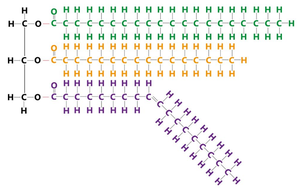
The structure of lipids determines their function and impact on health. Triacylglycerols consist of a glycerol backbone attached to three fatty acids, which can vary in chain length and degree of saturation.
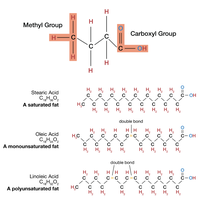
Saturated Fatty Acids: Contain no double bonds; solid at room temperature.
Monounsaturated Fatty Acids: Contain one double bond; typically liquid at room temperature.
Polyunsaturated Fatty Acids: Contain two or more double bonds; also liquid at room temperature.
Essential and Nonessential Fatty Acids
Fatty acids are classified based on whether the body can synthesize them:
Essential Fatty Acids: Must be obtained from the diet (e.g., omega-3 and omega-6 fatty acids).
Nonessential Fatty Acids: Can be synthesized by the body.
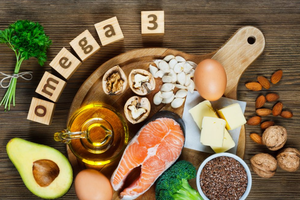
Omega-3 fatty acids (such as alpha-linolenic acid, EPA, and DHA) and omega-6 fatty acids (such as linoleic acid and arachidonic acid) are crucial for health, influencing inflammation, brain development, and cellular function.
Phospholipids
Phospholipids are amphiphilic molecules, meaning they have both hydrophilic (water-loving) and hydrophobic (fat-loving) properties. This makes them ideal for forming cell membranes and acting as emulsifiers, allowing fats to mix with water in biological systems.
Sterols
Sterols, such as cholesterol, have a multi-ring structure and are vital for cell membrane stability, hormone production, and vitamin D synthesis. While cholesterol is essential, excessive levels in the blood can increase the risk of cardiovascular disease.
Digestion and Absorption of Lipids
Lipid digestion begins in the mouth and continues in the stomach and small intestine. Enzymes such as lipase break down triacylglycerols into fatty acids and monoglycerides. Bile, produced by the liver, emulsifies fats, aiding their absorption. Lipids are transported in the blood as lipoproteins, with chylomicrons being the primary vehicle for dietary fat transport.
Blood Cholesterol and Lipoproteins
Lipoproteins are complexes that transport lipids through the bloodstream. The major types include:
VLDL (Very Low-Density Lipoprotein): Transports triacylglycerols from the liver to tissues.
IDL (Intermediate-Density Lipoprotein): Transitional form between VLDL and LDL.
LDL (Low-Density Lipoprotein): Known as "bad cholesterol"; high levels increase heart disease risk.
HDL (High-Density Lipoprotein): Known as "good cholesterol"; helps remove excess cholesterol from the bloodstream.
Maintaining optimal levels of LDL and HDL is crucial for cardiovascular health. Oxidized LDL can promote atherosclerosis, increasing the risk of heart attack and stroke.
Recommended Fat Intake and Dietary Sources
The recommended fat intake for adults is 20–35% of total calories, with less than 10% from saturated fats. Most fats should come from unsaturated sources, such as plant oils, nuts, seeds, and fatty fish. Essential fatty acids, particularly omega-3 and omega-6, must be balanced in the diet to support health and reduce disease risk.
Lipids and Disease
Excessive intake of saturated fat and cholesterol is linked to cardiovascular disease, obesity, and other health problems. Replacing saturated fats with monounsaturated and polyunsaturated fats, increasing fiber intake, and engaging in regular physical activity can reduce disease risk.
Summary Table: Types of Lipids and Their Functions
Lipid Type | Main Function | Dietary Sources |
|---|---|---|
Triacylglycerols | Energy storage, insulation, protection | Oils, butter, nuts, animal fats |
Phospholipids | Cell membrane structure, emulsification | Egg yolks, soybeans, peanuts |
Sterols (Cholesterol) | Hormone synthesis, cell membrane stability | Animal products (meat, dairy, eggs) |
Key Takeaways
Lipids are essential for energy storage, cellular structure, and hormone production.
Triacylglycerols are the main dietary and storage form of fat.
Phospholipids and sterols play critical roles in cell membranes and signaling.
Essential fatty acids must be obtained from the diet and are vital for health.
Balancing fat intake and choosing healthy sources can reduce the risk of chronic diseases.
