 Back
Lipids: Structure, Function, and Health Implications
Study Guide - Smart Notes
 Tailored notes based on your materials, expanded with key definitions, examples, and context.
Lipids: Structure, Function, and Health Implications
Section 1: What Are Lipids?
Lipids are a diverse group of organic compounds that are mostly insoluble in water. They are essential for various biological functions, including energy storage, cellular structure, and signaling. Lipids are composed mainly of carbon, hydrogen, and oxygen, and yield more energy per gram than carbohydrates or proteins.
Primary Biological Functions:
Structural components of cell membranes
Energy storage
Signaling molecules
Main Types of Lipids:
Triacylglycerols (triglycerides)
Phospholipids
Sterols
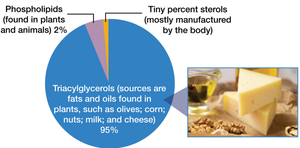
Example: Fats and oils in foods such as cheese, nuts, and oils are primarily triacylglycerols.
Section 2: Functions of Lipids in the Body
Lipids play critical roles in maintaining health and supporting physiological processes.
Adipose Tissue: Stores excess energy as fat, cushions organs, and insulates the body.
Cholesterol: Essential for cell membrane structure, hormone synthesis, vitamin D production, and bile salt formation.
Triacylglycerols: Main form of stored fat; regulate body temperature and hormone production.
Bioavailability: Lipids enhance the absorption of fat-soluble vitamins (A, D, E, K) and phytochemicals.
Recommended Body Fat Ranges: 10–20% for males, 20–32% for females.
Example: Lipids are vital for athletes and individuals with high energy needs due to their high caloric density.
Section 3: Types and Structures of Lipids
The structure of each lipid type determines its function and impact on health.
Triacylglycerols: Composed of three fatty acids attached to a glycerol backbone.
Phospholipids: Contain two fatty acids and a phosphate group; amphiphilic, making them ideal for cell membranes.
Sterols: Complex ring structures; cholesterol is the most well-known sterol.
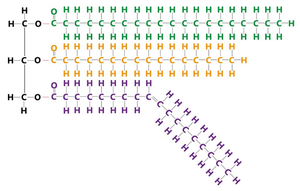
Fatty Acids
Fatty acids differ by essentiality, chain length, and degree of saturation.
Saturated Fatty Acids: No double bonds; fully saturated with hydrogen.
Monounsaturated Fatty Acids: One double bond.
Polyunsaturated Fatty Acids: Two or more double bonds.
Essential Fatty Acids: Cannot be synthesized by the body (e.g., omega-3 and omega-6).
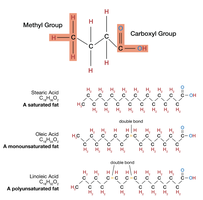
Example: Stearic acid (saturated), oleic acid (monounsaturated), linoleic acid (polyunsaturated).
Sources of Essential Fatty Acids
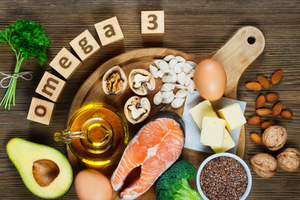
Omega-3: Fish, flaxseed oil, walnuts, leafy vegetables
Omega-6: Vegetable oils, tofu
Section 4: Digestion and Absorption of Lipids
Lipid digestion begins in the mouth and continues in the stomach and small intestine. Enzymes and emulsifiers break down fats for absorption.
Lipase: Enzyme that breaks down triacylglycerols and phospholipids.
Bile: Emulsifies fats, aiding in digestion and absorption.
Micelles: Transport digested lipids to intestinal cells for absorption.
Lipoproteins (e.g., chylomicrons): Transport lipids through blood and lymph.
Example: Short and medium-chain fatty acids are absorbed directly into the bloodstream, while long-chain fatty acids require chylomicrons for transport.
Section 5: Blood Cholesterol and Lipoproteins
Lipoproteins transport cholesterol and other lipids in the blood. Their composition and function influence cardiovascular health.
VLDL (Very Low-Density Lipoprotein): Transports triacylglycerols from the liver to tissues.
IDL (Intermediate-Density Lipoprotein): Transitional form between VLDL and LDL.
LDL (Low-Density Lipoprotein): "Bad cholesterol"; high levels increase heart disease risk.
HDL (High-Density Lipoprotein): "Good cholesterol"; removes excess cholesterol from blood.
Blood Lipid Profile Recommendations:
Component | Optimal Value | Borderline High | High |
|---|---|---|---|
Total Cholesterol | <200 mg/dL | 200–239 mg/dL | >240 mg/dL |
LDL | <100 mg/dL | 130–159 mg/dL | >160 mg/dL |
HDL | >60 mg/dL | — | <40 mg/dL (low) |
Triacylglycerols | 10–150 mg/dL | 150–199 mg/dL | >200 mg/dL |
Example: High LDL and low HDL levels are associated with increased cardiovascular risk.
Section 6: Dietary Recommendations and Sources of Lipids
Balancing dietary fat intake is crucial for health. The type and amount of fat consumed can influence disease risk.
Recommended Intake: 20–35% of total calories from fat; less than 10% from saturated fat.
Sources of Healthy Fats: Nuts, seeds, whole grains, legumes, vegetable oils (canola, olive, flaxseed).
Omega-3 Sources: Canola oil, flaxseed oil, fish, nuts, green leafy vegetables.
Omega-6 Sources: Eggs, poultry, vegetable oils, whole grains.
Example: Replacing saturated fats with monounsaturated and polyunsaturated fats can reduce heart disease risk.
Section 7: Lipids and Disease
Excessive intake of saturated fat and cholesterol is linked to cardiovascular disease and other health problems. Proper dietary choices and lifestyle modifications can mitigate these risks.
Health Risks: Heart attack, stroke, heart failure, arrhythmia, obesity.
Prevention Strategies:
Limit saturated fat intake
Increase monounsaturated and polyunsaturated fat intake
Choose whole grains and high-fiber foods
Engage in regular physical activity
Example: Consuming fatty fish, nuts, and olive oil supports a healthy lipid profile and reduces cardiovascular risk.
Summary Table: Types of Lipids and Their Functions
Lipid Type | Main Function | Dietary Source |
|---|---|---|
Triacylglycerols | Energy storage | Oils, butter, nuts, cheese |
Phospholipids | Cell membrane structure | Egg yolk, soybeans |
Sterols (Cholesterol) | Hormone and vitamin D synthesis | Animal products |
