 Back
BackLipids: Structure, Function, and Health Implications
Study Guide - Smart Notes
 Tailored notes based on your materials, expanded with key definitions, examples, and context.
Lipids: Structure, Function, and Health Implications
What Are Lipids?
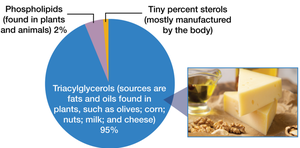
Lipids are a diverse group of organic compounds that are mostly insoluble in water and serve critical roles in the human body. They are composed mainly of carbon, hydrogen, and oxygen, and yield high amounts of energy. Lipids perform three primary biological functions: they are structural components of cell membranes, act as energy storehouses, and serve as important signaling molecules. The three main types of lipids are triacylglycerols, phospholipids, and sterols.
Triacylglycerols: The most common type of lipid, found in both food and the human body.
Phospholipids: Essential for cell membrane structure.
Sterols: Include cholesterol, which is vital for hormone and vitamin D synthesis.
The Functions of Lipids in the Body
Lipids are crucial for maintaining health and supporting various physiological processes:
Energy Storage: Excess energy from food is stored as adipose tissue, which is densely packed with energy (more than double the energy per gram compared to carbohydrates).
Structural Role: Cholesterol is a key component of cell membranes and is required for the synthesis of sex hormones, vitamin D, and bile salts.
Hormone Regulation: Lipids help produce and regulate hormones.
Body Temperature and Organ Protection: Fats help maintain body temperature and cushion vital organs.
Nutrient Absorption: Lipids transport fat-soluble nutrients and phytochemicals, promoting their bioavailability.
Recommended body fat ranges: 10–20% for males, 20–32% for females.
The Role of Lipids in Food
Foods high in fat are energy-dense and provide more calories than those high in protein or carbohydrates. Fats contribute to satiety (the sensation of fullness) and are especially important for individuals with high energy needs, such as infants, growing children, athletes, and those recovering from illness.

How Lipids Work: Structure and Function
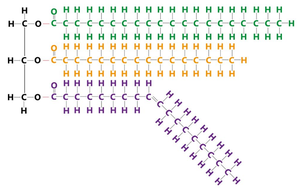
The structure of each lipid type determines its function and impact on health. Triacylglycerols are composed of three fatty acids attached to a glycerol backbone. Fatty acids differ in essentiality, carbon-chain length, and degree of saturation.
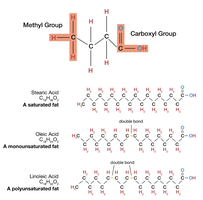
Saturated Fatty Acids: Contain the maximum number of hydrogen atoms, with no double bonds.
Monounsaturated Fatty Acids: Have one double bond (one point of unsaturation).
Polyunsaturated Fatty Acids: Have two or more double bonds (multiple points of unsaturation).
Essential and Nonessential Fatty Acids
Essential Fatty Acids: Cannot be synthesized by the body and must be obtained from the diet (e.g., omega-3 and omega-6 fatty acids).
Nonessential Fatty Acids: Can be synthesized by the body.
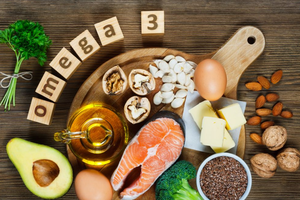
Omega-3 fatty acids (e.g., DHA) are especially important for brain growth and development in infants. Omega-6 fatty acids are also essential but must be balanced with omega-3 intake to promote health.
Phospholipids
Phospholipids have a glycerol backbone with two fatty acids and a phosphate group. They are amphiphilic, meaning they have both water-loving (hydrophilic) and fat-loving (hydrophobic) properties. This makes them ideal for forming cell membranes and acting as emulsifiers, allowing oil and water to mix without separating.
Sterols
Sterols, such as cholesterol, have a complex structure with interlinking rings of carbon atoms. Cholesterol is vital for cell membrane structure, hormone synthesis, and vitamin D production. However, excess cholesterol in the blood can increase the risk of cardiovascular disease.
Digestion and Absorption of Lipids
Lipid digestion begins in the mouth and continues in the stomach, where enzymes like lipase start breaking down triacylglycerols. In the small intestine, bile acts as an emulsifier, allowing fats to be digested and absorbed. Lipids are transported in the blood as lipoproteins, with chylomicrons carrying dietary fats to the liver and other tissues.
Understanding Blood Cholesterol
Lipoproteins transport lipids in the blood. The major types include:
VLDL (Very Low-Density Lipoprotein): Transports triacylglycerols and cholesterol from the liver to tissues.
IDL (Intermediate-Density Lipoprotein): Transitional form between VLDL and LDL.
LDL (Low-Density Lipoprotein): Known as "bad cholesterol"; high levels increase heart disease risk.
HDL (High-Density Lipoprotein): Known as "good cholesterol"; helps remove excess cholesterol from the bloodstream.
Healthy blood lipid profile values:
Total cholesterol: <200 mg/dL is optimal
LDL: <100 mg/dL is optimal
HDL: >60 mg/dL is optimal
Triacylglycerols: 10–150 mg/dL is optimal
Balancing Your Diet with Lipids
Current recommendations for fat intake:
Fat should provide 20–35% of total calories for adults.
Saturated fat should be less than 10% of total calories (lowering to 7% further reduces heart disease risk).
Most fats should come from polyunsaturated and monounsaturated sources (e.g., nuts, seeds, vegetable oils, fatty fish).
Omega-3 and omega-6 fatty acids are essential for health, but must be consumed in balance. Excess omega-6 intake relative to omega-3 can increase the risk of chronic diseases.
Lipids and Disease
Excessive intake of saturated fat and cholesterol is linked to cardiovascular disease, heart attack, stroke, and other health problems. The main cause of unfavorable blood cholesterol values is overconsumption of saturated fats, not dietary cholesterol alone. To reduce disease risk:
Limit saturated fat intake
Replace saturated fats with monounsaturated and polyunsaturated fats
Increase physical activity
Choose whole-grain and high-fiber foods
Summary Table: Types of Lipids and Their Functions
Lipid Type | Main Function | Food Sources |
|---|---|---|
Triacylglycerols | Energy storage, insulation, organ protection | Oils, butter, nuts, seeds, animal fats |
Phospholipids | Cell membrane structure, emulsification | Egg yolks, soybeans, peanuts |
Sterols (Cholesterol) | Hormone and vitamin D synthesis, cell membranes | Animal products (meat, dairy, eggs) |
