 Back
Lipids: Structure, Function, and Health Implications
Study Guide - Smart Notes
 Tailored notes based on your materials, expanded with key definitions, examples, and context.
Lipids: Structure, Function, and Health Implications
What Are Lipids?
Lipids are a diverse group of organic compounds that are mostly insoluble in water. They play essential roles in the human body, including energy storage, structural functions, and signaling. Lipids are composed mainly of carbon, hydrogen, and oxygen, and yield high energy upon metabolism.
Structural components: Lipids are integral to cell membranes, providing flexibility and integrity.
Energy storehouses: Lipids store energy more efficiently than carbohydrates or proteins.
Signaling molecules: Some lipids act as hormones or participate in cellular communication.
Main types: Triacylglycerols, phospholipids, and sterols.
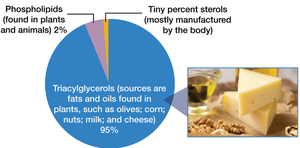
The Functions of Lipids in the Body
Lipids are crucial for maintaining health and supporting physiological functions. Adipose tissue stores excess energy, and cholesterol is vital for hormone synthesis and cell membrane structure.
Adipose tissue: Stores fat and regulates energy balance.
Cholesterol: Essential for synthesis of sex hormones, vitamin D, and bile salts.
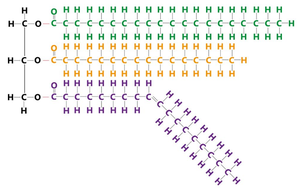
Triacylglycerols: The most common lipid, composed of three fatty acids and one glycerol molecule.
Body fat ranges: 10–20% for males, 20–32% for females.
Phytochemicals: Plant compounds with beneficial health effects.
The Role of Lipids in Food
Foods high in fat provide more calories than those high in protein or carbohydrates. Fat is a convenient energy source, especially for individuals with high energy needs, and contributes to satiety.
High-energy needs: Infants, children, athletes, and those recovering from illness benefit from dietary fats.
Satiety: Fats promote a feeling of fullness after eating.

Structure and Types of Lipids
The structure of each lipid determines its function and impact on health. Triacylglycerols, fatty acids, phospholipids, and sterols differ in their chemical makeup and biological roles.
Triacylglycerols: Three fatty acids attached to a glycerol backbone.
Fatty acids: Vary by essentiality, carbon-chain length, and degree of saturation.
Phospholipids: Diglycerides with a phosphate group; amphiphilic and act as emulsifiers.
Sterols: Complex molecules with interlinking carbon rings; cholesterol is the best-known sterol.
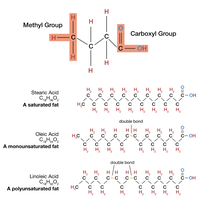
Fatty Acids: Classification and Sources
Fatty acids are classified based on their saturation and essentiality. Essential fatty acids must be obtained from the diet, while nonessential fatty acids can be synthesized by the body.
Saturated fatty acids: No double bonds; solid at room temperature.
Monounsaturated fatty acids: One double bond; liquid at room temperature.
Polyunsaturated fatty acids: Two or more double bonds; liquid at room temperature.
Omega-3 and Omega-6: Essential fatty acids with distinct health effects.
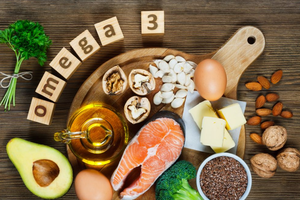
Sources: Omega-3: fish, flaxseed oil, walnuts; Omega-6: vegetable oils, tofu.
Phospholipids
Phospholipids are major components of cell membranes due to their amphiphilic nature. They act as emulsifiers, allowing oil and water to mix, and are water soluble.
Structure: Glycerol backbone, two fatty acids, and a phosphate group with a nitrogen-containing group.
Function: Form cell membranes, facilitate transport of lipids, and act as emulsifiers.
Sterols
Sterols, such as cholesterol, have a multiring structure and are vital for cell membrane integrity, hormone synthesis, and brain function. Excess cholesterol in the blood can pose health risks.
Structure: Interlinking rings of carbon atoms with side chains.
Function: Synthesis of vitamin D, hormones, and bile salts.
Digestion and Absorption of Lipids
Lipid digestion begins in the mouth and continues in the stomach and small intestine. Enzymes and emulsifiers break down lipids for absorption.
Lipase: Enzyme that breaks down triacylglycerols and phospholipids.
Bile: Emulsifies fats for absorption in the small intestine.
Micelles: Aggregates that facilitate transport of lipids across the intestinal brush border.
Lipoproteins: Transport fats through blood and lymph; chylomicrons are formed in the intestinal lining.
Blood Cholesterol and Lipoproteins
Blood cholesterol is transported by lipoproteins, which vary in their protein and cholesterol content. LDL and HDL play opposing roles in cholesterol transport and cardiovascular health.
LDL (Low-Density Lipoprotein): "Bad cholesterol"; deposits cholesterol in blood vessel walls.
HDL (High-Density Lipoprotein): "Good cholesterol"; removes excess cholesterol and returns it to the liver.
VLDL and IDL: Transport triacylglycerols and cholesterol from the liver to tissues.
Oxidized LDL: Promotes atherosclerosis and increases risk for heart attack or stroke.
Lipoprotein | Protein Content | Cholesterol Content | Function |
|---|---|---|---|
LDL | 25% | 75% | Delivers cholesterol to cells; can deposit in vessel walls |
HDL | 50% | 50% | Removes excess cholesterol; returns to liver |
VLDL | Low | High | Delivers triacylglycerols and cholesterol to tissues |
IDL | Moderate | Moderate | Intermediate transporter |
Recommended Fat Intake and Dietary Sources
Dietary guidelines recommend limiting fat intake to 20–35% of total calories, with less than 10% from saturated fats. Most fats should come from polyunsaturated and monounsaturated sources.
Monounsaturated fats: Plant oils, nuts, avocados.
Polyunsaturated fats: Plant-based foods, oils, fish.
Saturated fats: Animal products, dairy, palm and coconut oils.
Omega-3 sources: Canola oil, flaxseed oil, nuts, seeds, fish.
Omega-6 sources: Vegetable oils, eggs, poultry, whole grains.
Omega-3 and Omega-6 Fatty Acids
Omega-3 and omega-6 fatty acids are essential for health, but must be consumed in proper balance. Excess omega-6 can increase risk for various diseases.
Omega-3: Linolenic acid, EPA, DHA; important for brain and eye development, inflammation reduction.
Omega-6: Linoleic acid, ARA; precursor to eicosanoids, but excess can be harmful.
Balance: Choose unsaturated fats and limit saturated fat intake.
Lipids and Disease
High intake of saturated fat and cholesterol is linked to cardiovascular disease, obesity, and other health problems. Dietary modifications and increased physical activity can reduce risk.
Limit saturated fats: Replace with monounsaturated and polyunsaturated fats.
Increase fiber: Choose whole-grain and high-fiber foods.
Exercise: Regular physical activity is essential for cardiovascular health.
Summary Table: Blood Lipid Profile Recommendations
Component | Optimal Range | Borderline High | High |
|---|---|---|---|
Total Cholesterol | <200 mg/dL | 200–239 mg/dL | >240 mg/dL |
LDL | <100 mg/dL | 100–159 mg/dL | >160 mg/dL |
HDL | >60 mg/dL | 40–59 mg/dL | <40 mg/dL |
Triacylglycerols | 10–150 mg/dL | 150–199 mg/dL | >200 mg/dL |
Key Equations
Energy yield of macronutrients:
Additional info:
Fatty acids are precursors to eicosanoids, which regulate inflammation and immunity.
Cholesterol absorption is reduced by dietary fiber.
Particle size of LDL matters; small, dense LDL is more atherogenic.
