 Back
Lipids: Structure, Function, and Health Implications
Study Guide - Smart Notes
 Tailored notes based on your materials, expanded with key definitions, examples, and context.
Chapter 5: Lipids
Section 5.1: What Are Lipids?
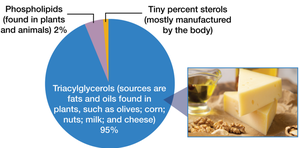
Lipids are a diverse group of organic compounds that are largely insoluble in water. They play essential roles in the human body, including energy storage, structural functions, and signaling. The three main types of lipids are triacylglycerols, phospholipids, and sterols.
Triacylglycerols: The most abundant lipid in the diet and body, serving as the main form of stored fat.
Phospholipids: Key components of cell membranes, contributing to membrane structure and function.
Sterols: Complex molecules, with cholesterol being the most well-known, involved in hormone and vitamin D synthesis.
Functions of Lipids in the Body:
Energy storage in adipose tissue
Structural components of cell membranes
Insulation and protection of organs
Hormone production and regulation
Absorption of fat-soluble vitamins (A, D, E, K)
Facilitation of nerve impulse transmission
Bioavailability refers to the proportion of nutrients that are absorbed and utilized by the body. Lipids enhance the bioavailability of fat-soluble nutrients and phytochemicals.
Section 5.2: How Lipids Work
The structure of lipids determines their function and impact on health. Triacylglycerols are composed of three fatty acids attached to a glycerol backbone. Fatty acids vary by chain length, degree of saturation, and essentiality.
Saturated fatty acids: No double bonds; solid at room temperature.
Monounsaturated fatty acids: One double bond; typically liquid at room temperature.
Polyunsaturated fatty acids: Two or more double bonds; liquid at room temperature.
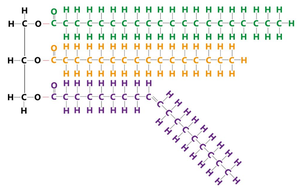
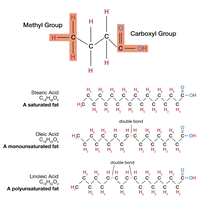
Essential fatty acids cannot be synthesized by the body and must be obtained from the diet. These include omega-3 (e.g., alpha-linolenic acid, EPA, DHA) and omega-6 (e.g., linoleic acid, ARA) fatty acids.
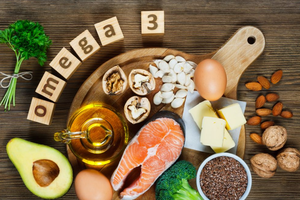
Omega-3 sources: Fish, flaxseed oil, walnuts, leafy vegetables
Omega-6 sources: Vegetable oils, tofu, nuts, seeds
Phospholipids are amphiphilic molecules, meaning they have both hydrophilic (water-loving) and hydrophobic (fat-loving) properties. This makes them ideal for forming cell membranes and acting as emulsifiers.
Sterols have a multi-ring structure and are vital for cell membrane integrity and hormone synthesis. Cholesterol is the most prominent sterol in the body.
Section 5.3: Digestion and Absorption of Lipids
Lipid digestion begins in the mouth and continues in the stomach and small intestine. Enzymes such as lipase break down triacylglycerols into fatty acids and monoglycerides. Bile, produced by the liver, emulsifies fats, aiding their absorption.
Micelles: Aggregates that transport lipids across the intestinal wall.
Chylomicrons: Lipoprotein particles that transport absorbed fats through the lymphatic system and bloodstream.
Short- and medium-chain fatty acids are absorbed directly into the bloodstream, while long-chain fatty acids require incorporation into chylomicrons.
Section 5.4: Understanding Blood Cholesterol
Lipoproteins transport lipids in the blood. The main types are VLDL, IDL, LDL, and HDL, each with distinct roles and health implications.
LDL (Low-Density Lipoprotein): Delivers cholesterol to cells; high levels increase heart disease risk.
HDL (High-Density Lipoprotein): Removes excess cholesterol from cells and returns it to the liver; high levels are protective.
Blood Lipid Profile Recommendations:
Component | Optimal Value | Borderline High | High |
|---|---|---|---|
Total Cholesterol | <200 mg/dL | 200–239 mg/dL | >240 mg/dL |
LDL | <100 mg/dL | 130–159 mg/dL | >160 mg/dL |
HDL | >60 mg/dL | — | <40 mg/dL (risk) |
Triacylglycerols | 10–150 mg/dL | 150–199 mg/dL | >200 mg/dL |
Consuming omega-3 fatty acids, nuts, and soluble fiber can help maintain a healthy lipid profile.
Section 5.5: Balancing Your Diet with Lipids
Dietary guidelines recommend that 20–35% of total calories come from fat, with less than 10% from saturated fats. Most fats should be polyunsaturated or monounsaturated, found in plant oils, nuts, seeds, and fish.
Monounsaturated fats: Olive oil, avocados, nuts
Polyunsaturated fats: Fish, flaxseed, walnuts
Saturated fats: Animal products, dairy, palm and coconut oils
Omega-3 and omega-6 fatty acids are essential for health, but must be consumed in balance. Excess omega-6 intake relative to omega-3 can increase the risk of chronic diseases.
Section 5.6: Lipids and Disease
High intake of saturated fat and cholesterol is associated with increased risk of cardiovascular diseases, including heart attack and stroke. Replacing saturated fats with unsaturated fats, increasing fiber intake, and regular physical activity can reduce disease risk.
Limit saturated fat intake to less than 10% of total calories (ideally 7% or less).
Choose whole grains, high-fiber foods, and plant-based fats.
Engage in regular physical activity.
Summary Table: Types of Lipids and Their Functions
Lipid Type | Main Function | Dietary Sources |
|---|---|---|
Triacylglycerols | Energy storage | Oils, butter, nuts, animal fats |
Phospholipids | Cell membrane structure | Egg yolks, soybeans, peanuts |
Sterols (Cholesterol) | Hormone and vitamin D synthesis | Animal products |
