Back
BackMetabolism and Nutrition: An Overview for ANP College Students
Study Guide - Smart Notes
 Tailored notes based on your materials, expanded with key definitions, examples, and context.
Nutrition and Its Components
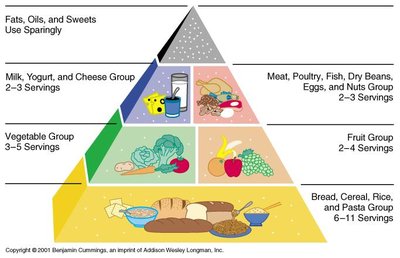
Major Nutrient Groups
Nutrition involves the intake and utilization of food substances necessary for growth, maintenance, and energy. The main nutrient groups include carbohydrates, lipids, proteins, vitamins, and minerals.
Carbohydrates: Primary energy source for the body.
Lipids: Energy storage, cell membrane structure, and hormone synthesis.
Proteins: Essential for tissue growth, repair, and enzymatic functions.
Vitamins: Organic compounds required in small amounts for metabolic processes.
Minerals: Inorganic elements crucial for physiological functions.
Metabolism: Anabolism and Catabolism
Overview of Metabolic Reactions
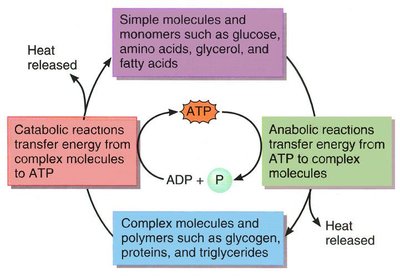
Metabolism encompasses all biochemical reactions in the body, divided into two main types: anabolism and catabolism.
Anabolism: Synthesis of complex molecules from simpler ones, requiring energy (ATP). Examples include protein synthesis from amino acids and glycogen formation from glucose.
Catabolism: Breakdown of complex molecules into simpler ones, releasing energy (ATP). Examples include digestion of proteins and breakdown of glycogen to glucose.
ATP: The Energy Currency
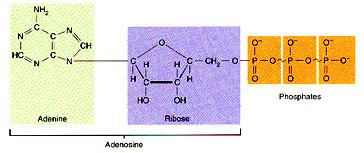
Adenosine triphosphate (ATP) is the molecule that links catabolic and anabolic reactions. It stores and transfers energy within cells.
ATP is produced during cellular respiration and is constantly recycled.
ATP is not stored long-term; the body produces and uses large amounts each hour.
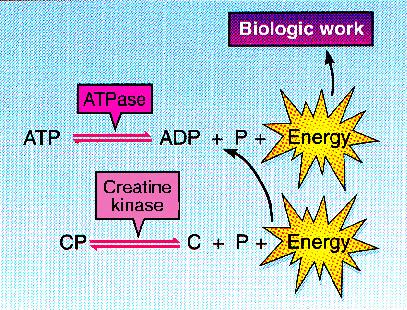
Energy is released when the third phosphate bond is broken:
Creatine phosphate (CrP) in muscle cells provides a rapid means to regenerate ATP during intense activity.
Protein Metabolism
Digestion and Absorption
Proteins are broken down into amino acids during digestion. These amino acids are absorbed into the bloodstream and transported to the liver.
Protein Synthesis (Anabolism)
Inside cells, amino acids are used to synthesize new proteins, which serve as enzymes, structural components, hormones, and more. Excess amino acids can be converted to energy or stored as fat or glycogen.
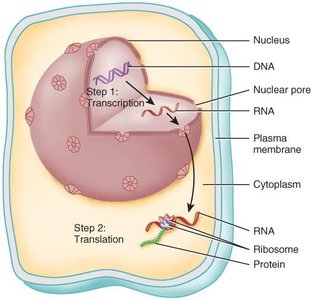
Protein synthesis occurs in the cytoplasm on ribosomes, directed by DNA and RNA.
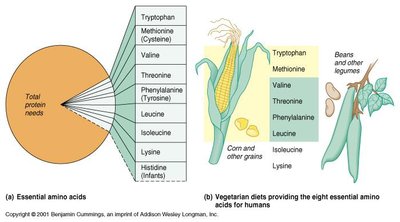
Essential amino acids (9 out of ~20) cannot be synthesized by the body and must be obtained from the diet.
Nonessential amino acids can be synthesized by the body.
Protein Catabolism
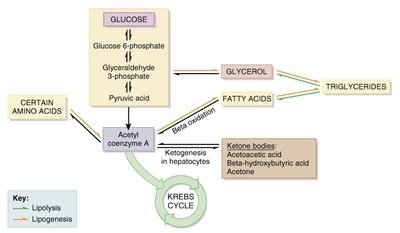
Proteins are broken down into amino acids, which can be converted into glucose, fatty acids, or ketone bodies for energy, especially during fasting or starvation.
Lipid Metabolism
Lipid Functions and Storage
Lipids are oxidized to produce ATP, stored in adipose tissue, and used as structural molecules or to synthesize essential compounds such as phospholipids, lipoproteins, and steroid hormones.
Lipid Catabolism: Lipolysis
Triglycerides are split into fatty acids and glycerol, which are then catabolized separately for energy production.
Transport of Lipids by Lipoproteins
Lipids are transported in the blood as lipoproteins, which are complexes of lipids and proteins.
Chylomicrons: Transport dietary fats from the intestine.
VLDLs (Very Low Density Lipoproteins): Transport triglycerides from the liver to fat cells.
LDLs (Low Density Lipoproteins): Deliver cholesterol to body cells; high levels are associated with cardiovascular risk.
HDLs (High Density Lipoproteins): Remove cholesterol from cells and transport it to the liver for elimination; considered "good cholesterol".
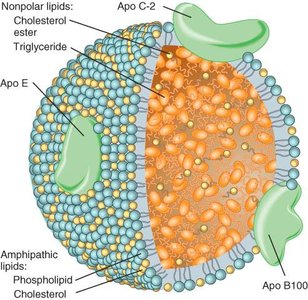
Cholesterol
Cholesterol comes from dietary sources and liver synthesis. Maintaining healthy cholesterol levels is important for cardiovascular health.
Total cholesterol (TC) should be under 200 mg/dl.
LDL should be under 130 mg/dl; HDL should be over 40 mg/dl.
Triglycerides should be between 10-190 mg/dl.
Therapies include exercise, diet, and medications that inhibit cholesterol synthesis.
Carbohydrate Metabolism
Digestion and Absorption
Polysaccharides are broken down into simple sugars in the GI tract, absorbed into the bloodstream, and processed by the liver. Glucose is the primary carbohydrate used for energy.
Fate of Glucose
Immediate energy production via oxidation (cellular respiration).
Storage as glycogen in the liver and muscles (glycogenesis).
Conversion to fat (lipogenesis) if glycogen stores are full.
Formation of amino acids or other carbohydrates as needed.
Glycogenesis and Glycogenolysis
Glycogenesis is the process of storing glucose as glycogen, stimulated by insulin. Glycogenolysis is the breakdown of glycogen to glucose, stimulated by glucagon and epinephrine.
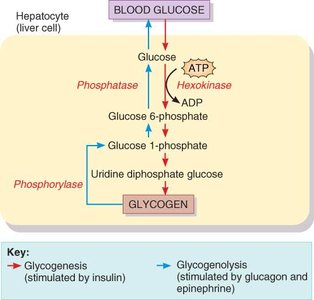
Gluconeogenesis
Gluconeogenesis is the synthesis of glucose from non-carbohydrate sources such as amino acids, lactic acid, and glycerol. This process is stimulated by cortisol and glucagon.
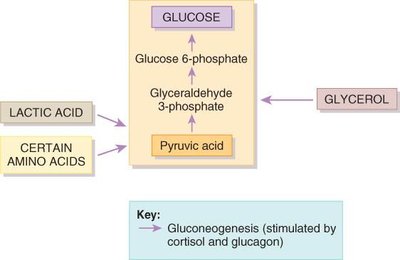
Aerobic Cellular Respiration
Overview and Steps
Aerobic cellular respiration is the process by which glucose is oxidized in the presence of oxygen to produce ATP, water, and carbon dioxide. This process occurs in the mitochondria of eukaryotic cells and consists of four main steps:
Glycolysis: Occurs in the cytoplasm, does not require oxygen, produces pyruvic acid, ATP, and NADH.
Formation of Acetyl Coenzyme A: Transitional step to the Krebs cycle.
Krebs Cycle: Occurs in mitochondria, produces CO2, ATP, NADH, and FADH2.
Electron Transport Chain: Occurs on the inner mitochondrial membrane, produces the majority of ATP (34-36 molecules per glucose).
The overall equation for aerobic respiration is:
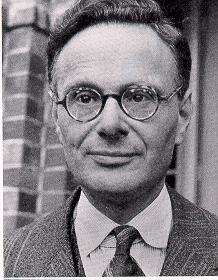
Hans Krebs elucidated the steps of cellular respiration, earning the Nobel Prize in 1953.