 Back
Microbial Nutrition & Growth: Requirements for Microbial Growth
Study Guide - Smart Notes
 Tailored notes based on your materials, expanded with key definitions, examples, and context.
Microbial Nutrition & Growth
Introduction to Microbial Growth Requirements
Microbial growth in natural environments is governed by a variety of physical and chemical factors. Understanding these requirements is essential for classifying microbes and predicting their behavior in different habitats. This section covers the nutritional patterns, physical and chemical requirements, and adaptations of microbes to environmental conditions.
Classification by Nutritional Pattern
Carbon and Energy Sources
Microorganisms are classified based on their sources of carbon and energy, which are fundamental for their metabolism and growth.
Autotrophs: Organisms that use carbon dioxide (CO2) as their primary carbon source. They are often called producers.
Heterotrophs: Organisms that require organic carbon sources, such as carbohydrates, proteins, or lipids. They are considered consumers.
Phototrophs: Organisms that obtain energy from light.
Chemotrophs: Organisms that derive energy from the oxidation of organic or inorganic molecules.
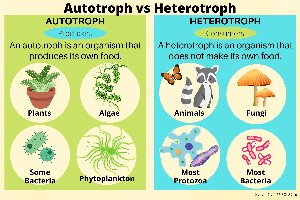
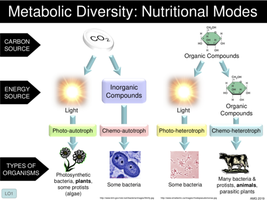
Example: Plants and algae are photoautotrophs, while animals and most bacteria are chemoheterotrophs.
Physical Requirements for Microbial Growth
Temperature Preferences
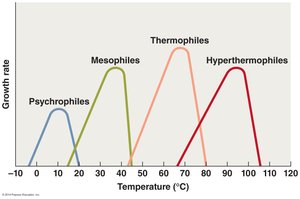
Temperature is a critical factor influencing microbial metabolism and enzyme activity. Microbes are classified based on their optimal temperature ranges:
Psychrophiles: Grow best below 15°C; found in polar regions.
Mesophiles: Grow best between 30°C and 40°C; include most human pathogens (optimal at ~37°C).
Thermophiles: Optimal growth at 50–60°C; common in compost piles.
Hyperthermophiles: Grow optimally above 80°C; found in volcanic hot springs.
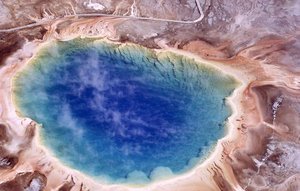

Example: Thermus aquaticus is a hyperthermophile isolated from hot springs.
pH Preferences
pH affects the stability of macromolecules and enzyme function in microbes. Microbes are classified by their preferred pH range:
Neutrophiles: Prefer pH 6.5–7.5; most bacteria fall into this category.
Acidophiles: Thrive at pH below 2; some sulfur bacteria in coal mines can survive at pH 1.
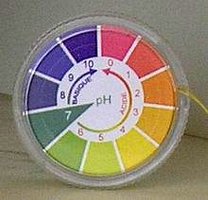
Example: Acidithiobacillus ferrooxidans is an acidophile found in acidic mine drainage.
Osmotic Pressure
Osmotic pressure is the force required to prevent water movement across a membrane by osmosis. It influences microbial survival in various environments:
Hypotonic environments: Low solute concentration; water enters the cell, risking lysis.
Hypertonic environments: High solute concentration; water leaves the cell, causing shriveling.
Food preservation methods, such as salting and sugaring, exploit hypertonic conditions to inhibit microbial growth.

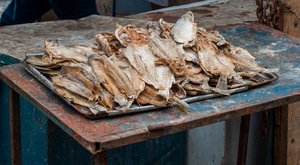
Halophiles
Obligate halophiles: Require high salt concentrations (up to 30%) for growth; found in environments like the Dead Sea.
Facultative halophiles: Tolerate high salt but do not require it (2–15%); some are part of normal skin microbiota.
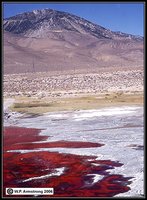
Example: Halobacterium species are obligate halophiles found in salt lakes.
Chemical Requirements for Microbial Growth
Major Elements
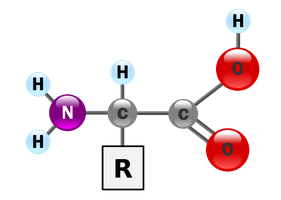
Carbon (C): Essential for all organic macromolecules, including proteins, carbohydrates, lipids, and nucleic acids.
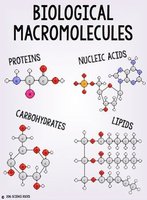
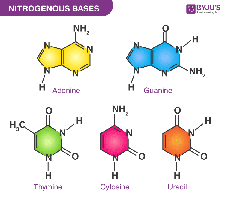
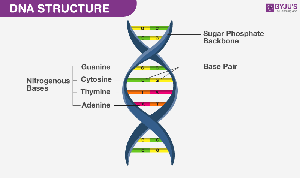
Nitrogen (N): Required for nucleic acids (DNA, RNA) and proteins (amino acids).
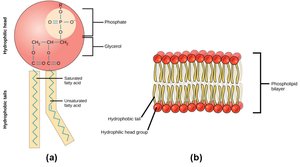
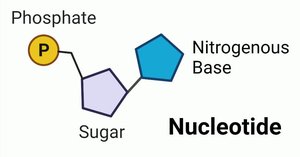
Phosphorus (P): Important for nucleic acids and phospholipids (cell membranes).
Oxygen Requirements
Microbes are classified based on their oxygen requirements, which reflect their metabolic strategies:
Type | Oxygen Requirement | Metabolic Pathway |
|---|---|---|
Obligate aerobe | Requires oxygen | Aerobic respiration |
Obligate anaerobe | Cannot tolerate oxygen | Anaerobic respiration/fermentation |
Facultative anaerobe | Grows with or without oxygen | Aerobic/anaerobic respiration, fermentation |
Microaerophile | Requires low oxygen | Aerobic respiration |
Aerotolerant anaerobe | Tolerates oxygen, does not use it | Fermentation |
Oxygen Free Radicals and Enzymatic Defense
Oxygen metabolism can produce toxic free radicals, which are highly reactive and can damage cellular components. Microbes possess enzymes to neutralize these radicals:
Superoxide dismutase (SOD): Converts superoxide radicals to hydrogen peroxide (H2O2).
Catalase: Converts hydrogen peroxide to water and oxygen ().
Peroxidase: Converts hydrogen peroxide to water ().
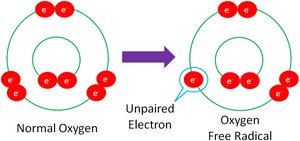
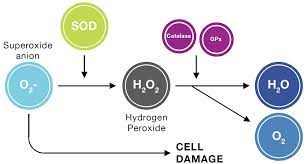
Example: Obligate anaerobes lack these enzymes and are sensitive to oxygen.
Trace Elements
Trace elements are required in small amounts, often as enzyme cofactors. Common trace elements include iron, copper, and zinc, which are naturally present in water and media components.
Inorganic cofactors: Ions that assist enzyme function.
Organic cofactors (coenzymes): Non-protein molecules that assist enzymes.

Summary Table: Microbial Growth Requirements
Requirement | Types/Examples | Role |
|---|---|---|
Temperature | Psychrophiles, Mesophiles, Thermophiles, Hyperthermophiles | Enzyme activity, metabolism |
pH | Neutrophiles, Acidophiles | Protein stability, metabolism |
Osmotic Pressure | Obligate halophiles, Facultative halophiles | Water balance, cell integrity |
Major Elements | C, N, P, O | Macromolecule synthesis |
Trace Elements | Fe, Cu, Zn | Enzyme cofactors |
Oxygen | Obligate aerobe/anaerobe, Facultative anaerobe, etc. | Energy metabolism |
Additional info: Understanding microbial growth requirements is essential for controlling microbial growth in clinical, industrial, and environmental settings.
