 Back
Muscles of the Lower Limb: Structure, Function, and Compartmentalization
Study Guide - Smart Notes
 Tailored notes based on your materials, expanded with key definitions, examples, and context.
Muscles of the Body
Overview of Lower Limb Musculature
The muscles of the lower limb are organized into compartments based on their location and function. These muscles are essential for movement, stability, and support of the body during locomotion. The main compartments include the anterior, medial, lateral, and posterior regions of the thigh and leg, as well as intrinsic muscles of the foot.
Muscles of the Thigh
Anterior and Medial Muscles of the Thigh
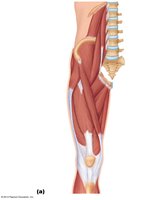
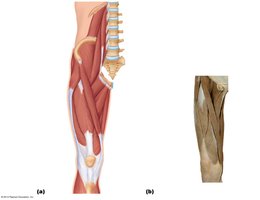
The anterior and medial compartments of the thigh contain muscles responsible for flexion, extension, and adduction of the hip and knee. The quadriceps femoris is the primary extensor of the knee, while the adductor group is responsible for thigh adduction.
Quadriceps femoris: Composed of four heads (rectus femoris, vastus lateralis, vastus medialis, vastus intermedius), all inserting at the quadriceps tendon and patella. Powerful knee extensors.
Sartorius: Flexes, abducts, and laterally rotates the thigh; also flexes the knee.
Iliopsoas: Major hip flexor, formed by the iliacus and psoas major muscles.
Adductor group: Includes adductor longus, adductor brevis, adductor magnus, pectineus, and gracilis; responsible for adduction of the thigh.
Posterior Gluteal Muscles and Lateral Rotators
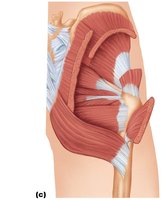
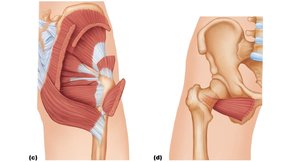
The posterior compartment and gluteal region contain muscles that extend, abduct, and laterally rotate the thigh. The gluteal muscles are crucial for hip stability and movement.
Gluteus maximus: Main extensor of the hip.
Gluteus medius and minimus: Abduct and medially rotate the thigh.
Lateral rotators: Include piriformis, obturator externus/internus, superior/inferior gemellus, and quadratus femoris; responsible for lateral rotation of the thigh.
Muscles of the Posterior Compartment of the Thigh
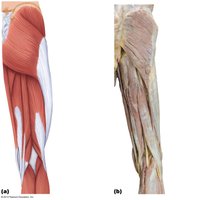
The posterior compartment contains the hamstring muscles, which are responsible for extension of the hip and flexion of the knee.
Biceps femoris
Semitendinosus
Semimembranosus
Muscles of the Leg
Anterior Compartment
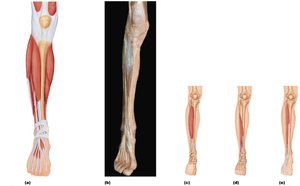
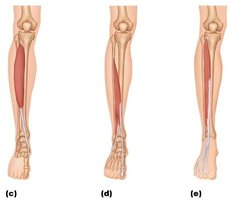
The anterior compartment muscles dorsiflex the foot and extend the toes. They are important for walking and running.
Tibialis anterior: Dorsiflexes and inverts the foot.
Extensor digitorum longus: Extends toes and dorsiflexes foot.
Extensor hallucis longus: Extends big toe and dorsiflexes foot.
Fibularis tertius: Dorsiflexes and everts the foot.
Lateral Compartment
The lateral compartment muscles evert the foot and assist in plantar flexion.
Fibularis longus
Fibularis brevis
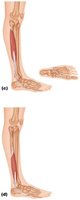
Posterior Compartment
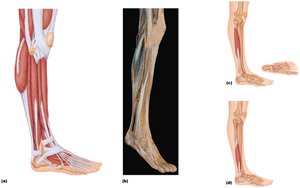
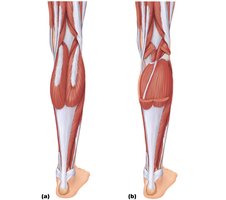
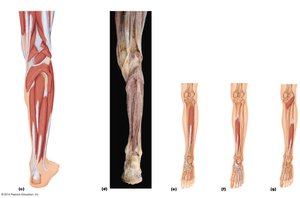
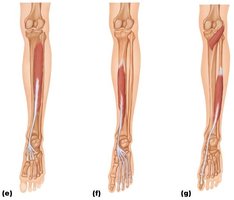
The posterior compartment muscles are divided into superficial and deep groups. They are responsible for plantar flexion and toe flexion.
Superficial muscles: Triceps surae (gastrocnemius, soleus), plantaris.
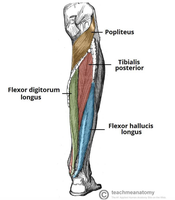
Deep muscles: Popliteus, flexor digitorum longus, flexor hallucis longus, tibialis posterior.
Intrinsic Muscles of the Foot
Overview and Function
The intrinsic muscles of the foot are responsible for toe movement and maintaining the arches of the foot. They are divided into layers on the dorsal and plantar aspects.
Dorsal aspect: Extensor digitorum brevis.
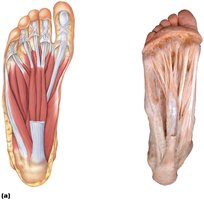
Plantar aspect: Multiple layers including flexor digitorum brevis, abductor hallucis, abductor digiti minimi, flexor hallucis brevis, adductor hallucis, flexor digiti minimi brevis, and interossei muscles.
Muscle Layers of the Foot
First layer: Flexor digitorum brevis, abductor hallucis, abductor digiti minimi.
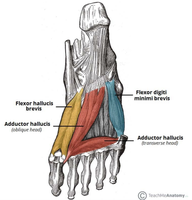
Third layer: Flexor hallucis brevis, adductor hallucis, flexor digiti minimi brevis.
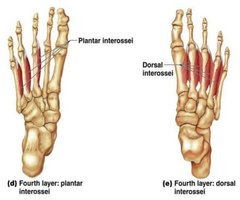
Fourth layer: Plantar and dorsal interossei.
Summary Table: Major Muscles of the Lower Limb
Compartment | Muscles | Main Actions |
|---|---|---|
Anterior Thigh | Quadriceps femoris, Sartorius, Iliopsoas | Knee extension, hip flexion |
Medial Thigh | Adductor longus, brevis, magnus, Pectineus, Gracilis | Thigh adduction |
Posterior Thigh | Biceps femoris, Semitendinosus, Semimembranosus | Hip extension, knee flexion |
Gluteal Region | Gluteus maximus, medius, minimus, Lateral rotators | Hip extension, abduction, lateral rotation |
Anterior Leg | Tibialis anterior, Extensor digitorum longus, Extensor hallucis longus, Fibularis tertius | Dorsiflexion, toe extension |
Lateral Leg | Fibularis longus, Fibularis brevis | Eversion, plantar flexion |
Posterior Leg | Gastrocnemius, Soleus, Plantaris, Popliteus, Flexor digitorum longus, Flexor hallucis longus, Tibialis posterior | Plantar flexion, toe flexion |
Foot (Intrinsic) | Extensor digitorum brevis, Flexor digitorum brevis, Abductor hallucis, Abductor digiti minimi, Flexor hallucis brevis, Adductor hallucis, Flexor digiti minimi brevis, Interossei | Toe movement, arch support |
Example: The quadriceps femoris is essential for activities such as walking, running, and jumping, as it extends the knee and stabilizes the leg.
Additional info: The compartmentalization of muscles allows for coordinated movement and efficient force generation during complex activities such as gait and balance.
