 Back
Nassau Community College – Allied Health Sciences: Anatomy & Physiology I (AHS 131) Syllabus and Study Guide
Study Guide - Smart Notes
 Tailored notes based on your materials, expanded with key definitions, examples, and context.
Course Overview
This course, AHS 131, introduces students to the foundational concepts of human anatomy and physiology. It covers the organization, chemical composition, cellular structure, tissues, and major organ systems of the human body. The course is designed to prepare students for advanced studies in health sciences by providing both microscopic and gross anatomical perspectives.
Course Topics and Structure
Introduction to Anatomy and Physiology: Definitions, levels of organization, life processes, body fluids, homeostasis, and feedback systems.
Chemical Level of Organization: Structure of matter, chemical bonds, reactions, inorganic and organic compounds, pH, buffer systems, and enzymes.
Cellular Level of Organization: Cell structure, plasma membrane, transport processes, cytoplasm, organelles, and nucleus.
Tissue Level of Organization: Types and classification of tissues, cell junctions, epithelial, connective, muscle, and nervous tissues.
Integumentary System: Structure and function of skin, epidermal derivatives, skin color, wound healing, and differences in skin types.
Skeletal System: Bone structure, classification, histology, ossification, bone growth, remodeling, and common pathologies.
Joints: Types, structural and functional classification, anatomy, movements, and clinical disorders.
Muscle Tissue: Characteristics, histology, muscle fiber anatomy, contraction mechanisms, metabolism, and muscle disorders.
Muscular System: Muscle-bone relationships, movement, lever systems, muscle group coordination, and naming criteria.
Nervous Tissue: Structure and function, organization, neuron and neuroglia histology, myelination, and electrical signaling.
Spinal Cord and Nerves: Anatomy, meninges, vertebral column, reflexes, and major nerve plexuses.
Brain and Cranial Nerves: Anatomy, meninges, blood supply, CSF, brain regions, and cranial nerves.
Somatic and Autonomic Nervous Systems: Comparison, anatomy, neurotransmitters, and organ innervation.
Sensory Pathways and Special Senses: Sensation levels, receptor types, somatic sensations, and adaptation.
Course Learning Goals and Outcomes
Goal 1: Master anatomical terminology and chemical/cellular organization.
Understand anatomical terms and atomic/molecular components.
Describe bioorganic molecules and cell components/functions.
Goal 2: Understand tissues, integumentary, and skeletal systems.
Identify four major tissue types and their locations.
Describe integumentary organs and bone structure/repair.
Identify bones and bone pathologies.
Goal 3: Understand the muscular system and joint movement.
Describe articulations, muscle fiber components, and muscle actions.
Explain muscle contraction physiology and muscle types.
Goal 4: Understand the nervous system.
Describe nervous system cells, tissues, and organization.
Compare somatic and autonomic systems.
Explain nerve conduction and special senses.
Course Schedule (Lecture Topics)
Week | Lecture Topics (Textbook Chapters) |
|---|---|
1 | Ch. 1, 2, 3 – Introduction, Chemical Level, Cellular Level |
2 | Ch. 3, 4 – Cellular Level, Tissue Level |
3 | Ch. 5, 6, 9 – Integumentary, Skeletal System, Joints |
4 | Ch. 10, 12 – Muscular Tissue, Nervous Tissue |
5 | Ch. 13, 14, 15 – Spinal Cord, Brain, Sensory Pathways |
Course Schedule (Lab Exercises)
Week | Lab Exercises (Lab Manual) |
|---|---|
1 | EX 1-4: Safety, Anatomical Terms, Microscope |
2 | EX 5, 7-11: Cell, Mitosis, Tissues, Integumentary System |
3 | EX 13-16: Skeletal System, Axial & Appendicular Skeleton, Joints |
4 | EX 17-21: Muscles (Organization, Face, Trunk, Arm, Leg) |
5 | EX 23-25, 29, 30: Nervous System, Spinal Cord, Brain, Cranial Nerves, Eye, Ear |
Grading Policy
4 Non-cumulative Lecture Exams (70 multiple-choice questions each, 100 points each)
4 Non-cumulative Laboratory Exams (50 fill-in-the-blank questions each)
Optional Lab Homework Assignments (up to 100 points, may count as a 5th lab grade)
All grades are equally weighted; lowest grade is not dropped.
Study Recommendations
Read textbook chapters and lab exercises before class.
Utilize online resources (Brightspace, Mastering A&P, YouTube).
Expect to study at least 18 hours per week outside of class.
Required Textbooks
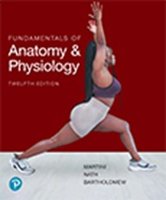
Fundamentals of Anatomy & Physiology, 12th Edition, Martini, Nath, Bartholomew
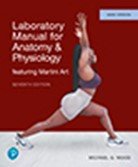
Laboratory Manual for Anatomy & Physiology, 7th Edition, Michael G. Wood
Attendance and Academic Integrity
Attendance is mandatory for both lecture and lab.
Unexcused absences may result in a failing grade.
Academic honesty is strictly enforced; violations result in a zero and disciplinary action.
Disability Services
Students with disabilities should contact the Center for Students with Disabilities for accommodations. All information is confidential.
Additional Resources
Brightspace Companion Site: Access to PowerPoints, study guides, and course documents.
AHS Media Room: Review lab models and slides.
YouTube Channel: Video reviews of lab models and topics.
Grading Scale
Grade | Total Average (%) |
|---|---|
A | 90-100 |
B+ | 85-89 |
B | 80-84 |
C+ | 75-79 |
C | 70-74 |
D+ | 65-69 |
D | 60-64 |
F | <59 |
Summary
This syllabus provides a comprehensive overview of the AHS 131 course, including its objectives, content, grading, and resources. The course covers all foundational topics in anatomy and physiology, preparing students for further studies in health sciences.
