 Back
BackNutrition Basics and Dietary Guidelines: Foundations for Health and Well-being
Study Guide - Smart Notes
 Tailored notes based on your materials, expanded with key definitions, examples, and context.
Achieving a Healthy Diet
A Healthy Philosophy toward Food
Nutrition is fundamental to maintaining health, supporting growth, and preventing disease. Consuming fresh, natural whole foods provides the body with essential nutrients required for energy production, metabolic activity, and overall well-being.
Energy Production: Nutrients from food are metabolized to produce ATP, the energy currency of cells.
Metabolic Activity: Vitamins and minerals act as cofactors in enzymatic reactions essential for bodily functions.
Prevention of Micronutrient Deficiencies: Adequate intake of vitamins and minerals prevents conditions such as anemia (iron deficiency) and scurvy (vitamin C deficiency).
Chronic Disease Prevention: Diets rich in fruits, vegetables, and whole grains reduce the risk of heart disease, diabetes, and certain cancers.

Malnutrition: Undernutrition and Overnutrition
Malnutrition refers to an imbalance in nutrient intake, which can result from insufficient or excessive consumption, or from absorption issues.
Undernutrition: Inadequate intake of nutrients leading to deficiencies and impaired bodily functions.
Overnutrition: Excessive intake of nutrients or calories, potentially resulting in obesity and related diseases.
Both forms can negatively impact growth, immune function, and overall health.
Nutrition and Growth
Proper nutrition is essential for normal growth and development throughout all life stages, from infancy to adulthood.

The Healing Process and Nutritional Needs
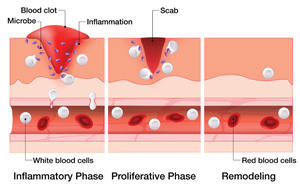
Specific nutrients play critical roles in tissue repair and wound healing:
Vitamin A: Supports epithelial and bone cell formation.
Vitamin C: Essential for collagen synthesis.
Zinc: Involved in protein synthesis and collagen formation.
Protein: Provides amino acids for new tissue formation.
Fats: Integral to cell membrane structure and function.
Carbohydrates: Supply energy for cellular activities, including the inflammatory response.
Components of a Healthy Diet
Dietary Adequacy, Balance, Calorie Control, Moderation, and Variety
A healthy diet is characterized by several key principles:
Adequacy: Provides all essential nutrients, fiber, and energy in sufficient amounts.
Balance: Includes a variety of foods in appropriate proportions to avoid excess or deficiency of any nutrient.
Calorie Control: Matches energy intake with energy expenditure to maintain healthy body weight.
Moderation: Avoids excessive or insufficient consumption of any food or nutrient.
Variety: Incorporates different foods from all food groups to ensure a broad spectrum of nutrients.

Dietary Guidelines and National Nutrition Goals
Dietary Guidelines for Americans, 2020–2025
The Dietary Guidelines for Americans provide science-based advice to promote health, reduce chronic disease risk, and meet nutrient needs. The 2020–2025 guidelines emphasize:
Following a healthy dietary pattern at every life stage.
Customizing food choices to reflect preferences, culture, and budget.
Focusing on nutrient-dense foods and beverages within calorie limits.
Limiting added sugars, saturated fat, sodium, and alcoholic beverages.

Socioeconomic Model and Healthy People 2030
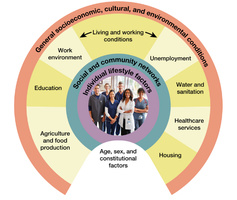
The Healthy People 2030 initiative sets national objectives to improve health through nutrition and physical activity. The socioeconomic model illustrates how individual choices are influenced by broader social, economic, and environmental factors.
Goals include promoting healthy eating, increasing access to nutritious foods, and encouraging regular physical activity.
Objectives address both individual behaviors and societal changes.
Diet Planning Tools and Recommendations
MyPlate and Portion Control
The MyPlate guide helps individuals plan balanced meals:
Half the plate: fruits and vegetables
One quarter: whole grains
One quarter: protein foods
Dairy: low-fat or non-fat options
Portion control is essential for calorie balance and nutrient adequacy. Estimating portions can be done using visual guides or household objects.
Dietary Reference Intakes (DRIs)
Understanding DRIs
Dietary Reference Intakes (DRIs) are a set of reference values used to assess and plan nutrient intakes for healthy people. They include:
Estimated Average Requirement (EAR): Average daily nutrient intake estimated to meet the needs of half the healthy individuals in a group.
Recommended Dietary Allowance (RDA): Average daily intake sufficient to meet the nutrient requirements of nearly all (97–98%) healthy individuals.
Adequate Intake (AI): Established when evidence is insufficient for an RDA; assumed to ensure nutritional adequacy.
Tolerable Upper Intake Level (UL): Maximum daily intake unlikely to cause adverse health effects.
Acceptable Macronutrient Distribution Range (AMDR): Range of intake for energy-yielding macronutrients associated with reduced risk of chronic disease.
DRIs are not minimum or maximum requirements but serve as guidelines for most healthy individuals.
Nutrition Facts and Food Labels
Reading the Nutrition Facts Panel
The Nutrition Facts panel on packaged foods provides information on serving size, calories, and nutrient content. Key features include:
Serving Size: Basis for all nutrient information on the label.
Calories: Energy provided per serving.
Percent Daily Value (%DV): Indicates how much a nutrient in a serving contributes to a daily diet, based on a 2,000-calorie reference.
Food labels are regulated to ensure accuracy and help consumers make informed choices. Allergen information is also required to protect individuals with food allergies.
Reliable Nutrition Information
Evaluating Nutrition News and Sources
Reliable nutrition information is based on scientific evidence and published in peer-reviewed journals. When evaluating nutrition news, consider:
Whether the study is peer-reviewed and methods are disclosed
The population studied (humans vs. animals)
Consistency with previous research
Credibility of the source (e.g., USDA, CDC, Health Canada)
Trustworthy sources include government agencies and professional organizations.
