 Back
BackPatient Counseling and Techniques for Ophthalmic, Otic, Nasal, and Transmucosal Dosage Forms
Study Guide - Smart Notes
 Tailored notes based on your materials, expanded with key definitions, examples, and context.
Introduction to Dosage Forms
This guide provides an overview of the safe and effective use of ophthalmic (eye), otic (ear), nasal, and transmucosal (buccal and sublingual) medication dosage forms. It emphasizes patient counseling, administration techniques, and key considerations for each route.
Ophthalmic (Eye) Medications
Terminology and SIG Codes
Ophthalmic solution: A sterile, aqueous preparation for instillation in the eye.
Ophthalmic suspension: A liquid containing undissolved particles for ocular use; must be shaken well before use.
Ophthalmic ointment: A semi-solid preparation for application to the eye.
SIG Codes: Common abbreviations include OD (right eye), OS (left eye), OU (both eyes), gtt (drop), and ribbon (for ointment application).
Abbreviation | Meaning | Common Error | Preferred Wording |
|---|---|---|---|
AD, AS, AU | Right ear, left ear, each ear | Mistaken as OD, OS, OU (right eye, left eye, each eye) | Use "right ear," "left ear," or "each ear" |
OD, OS, OU | Right eye, left eye, each eye | Mistaken as AD, AS, AU (right ear, left ear, each ear) | Use "right eye," "left eye," or "each eye" |
Common Indications and Classes
Glaucoma: Prostaglandins (e.g., latanoprost), beta-blockers (e.g., timolol)
Infections: Antibiotics (e.g., tobramycin, gatifloxacin)
Dry Eye: Artificial tears, nonmedicated ointments
Allergic Conjunctivitis: Decongestants, antihistamines (e.g., ketotifen)
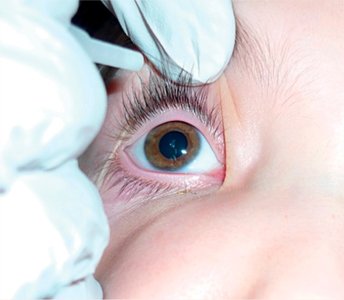
General Instructions for Instilling Eye Drops
Wash hands and face thoroughly.
Tilt head back and look at the ceiling.
Pull lower eyelid down to create a pocket.
Instill one drop into the pocket without touching the eye with the dropper.
Close eyes gently and apply light pressure to the inner corner (punctal occlusion) for 1-2 minutes.
Blot excess liquid and wash hands again.
General Instructions for Instilling Eye Ointment
Wash hands and face.
Tilt head back and pull lower eyelid down.
Apply a 1/4 to 1/2 inch strip of ointment inside the lower lid.
Close eyes gently for 1-2 minutes.
Blot excess ointment and wash hands.
Special Considerations
Ophthalmic Suspensions: Shake well before use; administer after other eye medications.
Multiple Eye Medications: Wait 5 minutes between different drops; apply drops before ointments, waiting 10 minutes between forms.
Contact Lenses: Remove before instillation; wait at least 15 minutes before reinserting.
Preservatives: Consider single-dose vs. multidose; preservatives may cause irritation or sensitivity.
Teaching Caregivers for Children
Lay child flat, use two adults if possible.
Clean eye area and remove crust gently.
Instill drops or ointment as above, avoiding the tear duct.
Praise the child after administration.
Otic (Ear) Medications
Common Indications and Classes
External Otitis: Antibacterial (e.g., ofloxacin), anti-inflammatory (e.g., ciprofloxacin/dexamethasone)
Ear Wax Build-Up: Cerumen-softening agents (e.g., carbamide peroxide)
Water-Clogged Ears: Drying agents (e.g., Swim-EAR®)
General Instructions for Instilling Ear Drops
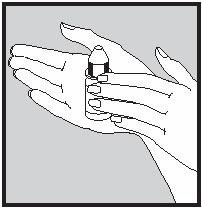
Wash hands and shake suspension if needed.
Warm bottle in hand for 1-2 minutes to avoid dizziness.
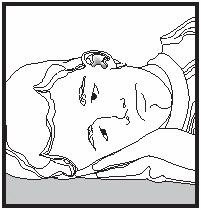
Lie with affected ear up.
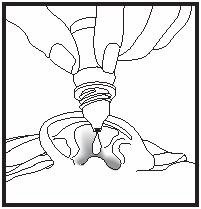
Instill the prescribed number of drops.
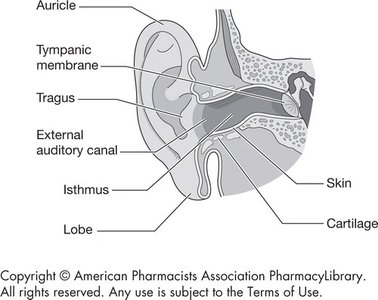
Gently press the tragus 5 times to help distribute medication.
Remain on side for 1 minute; repeat for other ear if needed.
Wipe away excess medication.
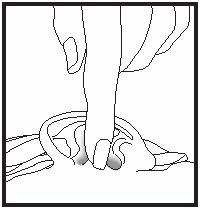
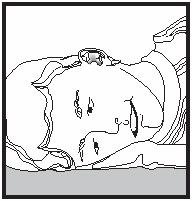
Pediatric Technique: Pulling the Ear
Children < 3 years: Pull ear backward and downward.
Children ≥ 3 years and adults: Pull ear backward and upward.
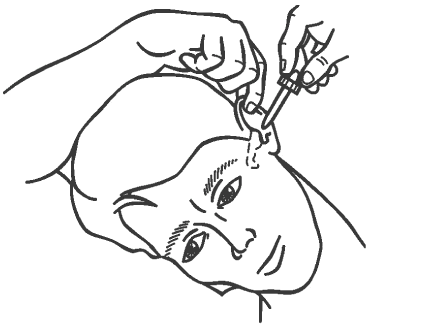
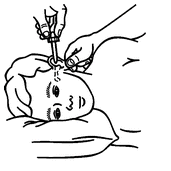
Ear Anatomy Reference
Ear Wax Removal and Irrigation
Use cerumenolytics (e.g., Debrox®, Auro®) as directed.
Irrigation may be performed with warm (not hot) water using a bulb syringe, only if recommended by a healthcare provider.
Do not use cotton swabs inside the ear canal.
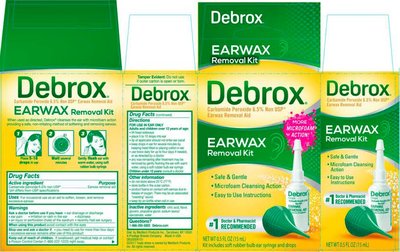
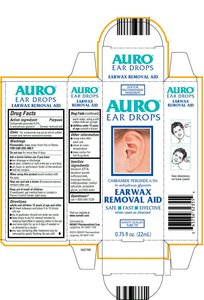
Case Consideration: Eye vs. Ear Drops
Eye drops must be sterile; ear drops may not be.
Ear drops are generally more acidic and may irritate the eye if used incorrectly.
Do not substitute ear drops for eye drops without provider approval.
Nasal Medications
General Instructions for Nasal Administration
Blow nose to clear passages before use.
Wash hands before and after administration.
Hold one nostril closed while administering medication into the other.
Tip of device should be aimed away from the nasal septum.
Breathe through mouth and avoid blowing nose for 3-5 minutes after use.
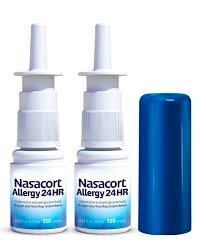
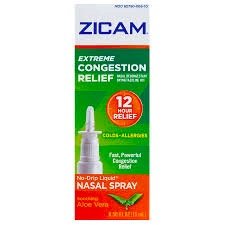
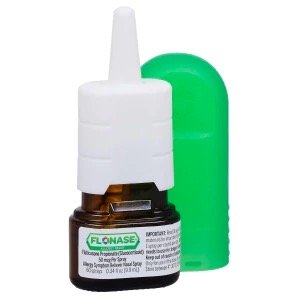
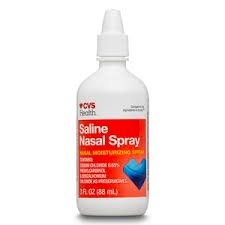
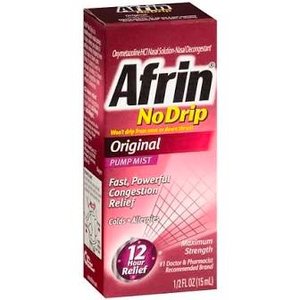
Nasal Sprays and Pumps
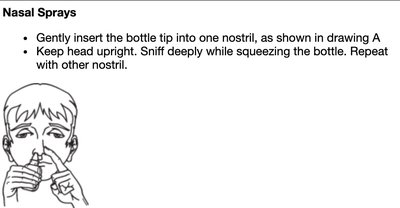
Prime pump before first use.
Insert nozzle into nostril, tilt head forward, and sniff deeply while spraying.
Repeat with other nostril.
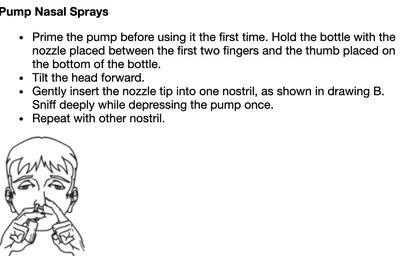
Nasal Inhalers and Drops
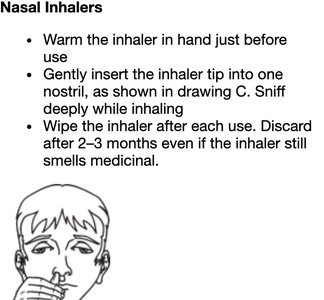
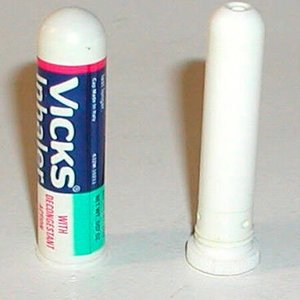
Warm inhaler in hand before use.
Insert tip into nostril and sniff deeply while inhaling.
Wipe inhaler after each use; discard after 2-3 months.
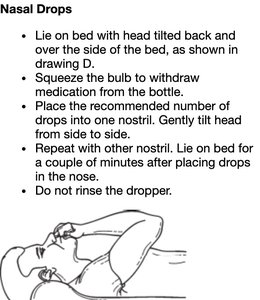
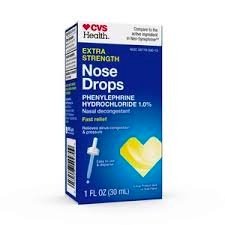
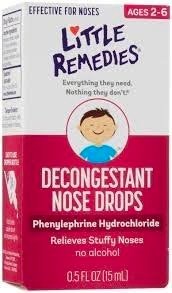
For drops, lie with head tilted back, instill drops, and remain in position for a few minutes.
Nasal Drops in Babies
Lay baby on back, slightly tilt head back.
Instill drops with dropper just inside nostril.
Hold position for ~1 minute (longer for older children).
Rinse dropper after use.
Transmucosal Medications: Buccal and Sublingual
Administration and Counseling Points
Do not swallow medication; allow it to dissolve completely in the mouth.
Alternate sides of the mouth if taking multiple doses.
Take other oral medications first if needed.
Avoid eating, drinking, or smoking until medication is fully dissolved.
Sublingual: Place under tongue.
Buccal: Place between cheek and gum.
Conclusion
Proper technique is essential for medication efficacy and safety.
Patient education should be individualized, considering health literacy and specific product instructions.
Always verify instructions and consult with healthcare providers as needed.
