 Back
Physical Therapist Assistant Program: Student Standards, Professionalism, and Clinical Competency
Study Guide - Smart Notes
 Tailored notes based on your materials, expanded with key definitions, examples, and context.
Physical Therapist Assistant Program Overview
Program Mission and Philosophy
The Physical Therapist Assistant (PTA) Program at South Texas College is designed to prepare students for entry-level practice as competent, ethical, and safe providers of physical therapy care. The program emphasizes high standards in education, community engagement, and lifelong learning, with a focus on serving a diverse population. The educational philosophy is constructivist, promoting active participation, reflection, and real-world application, with faculty serving as facilitators and mentors.
Mission: Prepare graduates to be competent, safe, legal, and ethical providers of care.
Philosophy: Collaborative learning, hands-on experiences, and culturally responsive instruction.
Goals: Excellence in education, community engagement, workforce development, and continuous improvement.
Program Learning Outcomes
PTA students are expected to demonstrate skills in communication, clinical decision-making, respect for patient differences, professional conduct, and integration of human structure and function for clinical judgment.
Communication: Effective information exchange with patients, families, and healthcare personnel.
Clinical Skills: Competent implementation of interventions as directed by the physical therapist.
Documentation: Clear and relevant patient care documentation.
Professionalism: Adherence to ethical and legal guidelines.
Clinical Judgment: Integration of human structure, function, and dysfunction.
Student Standards and Professional Behaviors
Professionalism Performance Expectations
Professionalism encompasses behaviors and attitudes essential for success in the physical therapy profession. Students are assessed on their ability to self-reflect, develop action plans, and demonstrate ongoing improvement in professional behaviors.
Self-Assessment: Students complete a Professional Behaviors Self-Assessment Form each semester.
Thresholds: Minimum performance thresholds increase each semester (75% to 85%).
Remediation: Students not meeting thresholds must develop and follow an action plan.
Critical Professional Behaviors
Commitment to Learning: Self-assessment, motivation, and continuous improvement.
Interpersonal Skills: Respect, cultural competence, and group cohesiveness.
Communication Skills: Effective verbal and written communication, active listening, and assertiveness.
Effective Use of Time and Resources: Prioritization, preparedness, and flexibility.
Constructive Feedback: Seeking, accepting, and utilizing feedback for improvement.
Problem Solving: Initiative, resource utilization, and application of knowledge.
Professionalism: Responsibility, appearance, conflict resolution, and mature behavior.
Honesty/Integrity: Ethical conduct, confidentiality, and compliance with standards.
Responsibility: Timeliness, preparedness, and accountability.
Critical Thinking: Logical reasoning, information assessment, and solution development.
Social Responsibility & Altruism: Service, club participation, and community engagement.
Leadership: Initiative, adaptability, and positive influence.
Dress Code and Professional Appearance
Classroom and Laboratory Dress Code
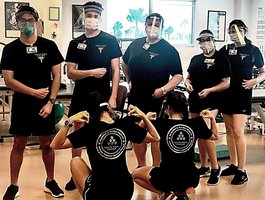
PTA students must adhere to a strict dress code to ensure professionalism and safety during all program activities. Requirements include specific tops, bottoms, footwear, and guidelines for personal grooming and accessories.
Class/Lab Tops: Solid color, loose-fitting, crew neck T-shirts with program logo.
Class/Lab Bottoms: Black scrub pants or approved athletic shorts for lower extremity exposure.
Footwear: Non-slip, low-heeled, closed-toe shoes; socks required.
Accessories: Limited jewelry, professional watch, no visible body piercings except standard earrings.
Hair: Neatly pulled back, off the shoulders, conservative clips/headbands; no extreme styles or colors.
Tattoos: Must be covered with neutral-colored sleeves or garments.
Personal Hygiene: Clean, neat, and free of odor; discreet cosmetics.
Examples of Dress Code Compliance
Visual examples reinforce proper attire for classroom, lab, and special events.

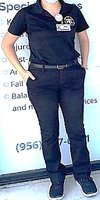

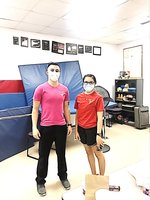
Special Event Attire
Polo Shirts: Solid color, collared, embroidered with program logo.
Business Casual Pants: Solid neutral colors, properly fitting, no jeans or casual attire.


Lab Skills, Practicum, and Clinical Competency
Lab Skills Check-Offs and Practical Examinations
Lab skills check-offs are essential for measuring competency in physical therapy techniques. Students must practice, document, and demonstrate proficiency in all required skills before formal lab practical examinations.
Check-Offs: Instructor/lab assistant and peer check-offs required for skill acquisition.
Attempts: Up to three opportunities for instructor/lab assistant check-offs.
Remediation: Required for students unable to check off skills or pass practical exams.
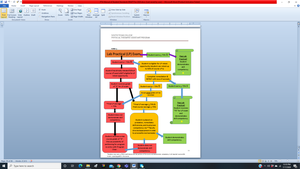
Lab Practical Exam Flowchart
The flowchart outlines the process for lab practical examinations, remediation, and re-examination limits.
Practicum Progression Criteria
Students must successfully complete three full-time clinical experiences, demonstrating entry-level performance in designated skills. Practicum progression is contingent upon meeting clinical, academic, and professional standards.
Attendance: Full-time work week, limited absences, punctuality required.
Assessment: PTA MACS used for clinical skill evaluation.
Minimum Skills: Entry-level ratings required in professional behaviors, interventions, tests & measures, safety, and documentation.
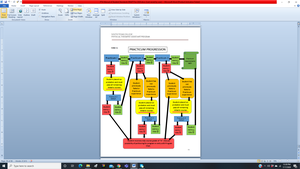
Practicum Progression Flowchart
This flowchart visually represents the steps and criteria for practicum progression and remediation.
Ethical Standards and Professional Conduct
APTA Standards of Ethical Conduct for the PTA
The American Physical Therapy Association (APTA) sets forth ethical standards for PTAs, emphasizing respect, compassion, integrity, legal compliance, lifelong learning, and social responsibility.
Respect: Dignity and rights of all individuals.
Trustworthiness: Compassionate care and protection of confidential information.
Sound Decisions: Collaboration with PT, objective decision-making, and avoidance of conflicts of interest.
Integrity: Truthful, accurate information and avoidance of exploitation or harassment.
Legal Obligations: Compliance with laws and regulations.
Competence: Lifelong learning and clinical competence.
Organizational Behavior: Ethical business practices and accurate documentation.
Social Responsibility: Advocacy and stewardship of healthcare resources.
Minimum Required Skills of PTA Graduates
APTA Minimum Skills Guidelines
PTA graduates must demonstrate competence in foundational skills across all systems and patient care settings. Skills include plan of care review, procedural interventions, patient instruction, progression, data collection, documentation, safety, education, resource management, and professional behaviors.
Plan of Care Review: Identification of indications, contraindications, precautions, and communication with PT.
Procedural Interventions: Therapeutic exercise, functional training, manual therapy, device application, electrotherapeutic modalities, physical agents.
Patient Instruction: Use of teaching strategies and assessment of patient understanding.
Patient Progression: Competent progression and communication of changes.
Data Collection: Accurate measurement and documentation of patient status.
Safety and Emergency Procedures: Initiation of emergency response and maintenance of safe environment.
Professional Behaviors: Accountability, altruism, compassion, duty, integrity, social responsibility, communication, conflict management, health promotion, and career development.
Summary Table: PTA Program Minimum Skills and Standards
Category | Key Skills/Standards |
|---|---|
Professional Behaviors | Commitment to learning, interpersonal skills, communication, time management, feedback, problem solving, professionalism, integrity, responsibility, critical thinking, social responsibility, leadership |
Dress Code | Program logo T-shirt, black scrub pants/athletic shorts, closed-toe shoes, limited accessories, hair pulled back, tattoos covered |
Lab Skills/Practicum | Skill check-offs, lab practical exams, remediation, entry-level performance in clinical skills |
Ethical Standards | APTA Standards of Ethical Conduct, legal compliance, confidentiality, compassion, integrity |
Minimum Required Skills | Plan of care review, procedural interventions, patient instruction, progression, data collection, documentation, safety, education, resource management, professional behaviors |
Additional info:
These notes are expanded from the PTA Program Manual of Student Standards and APTA guidelines, providing a comprehensive overview for exam preparation and professional development.
