 Back
BackProtein Structure, Function, and Nutrition: Study Guide for ANP College Students
Study Guide - Smart Notes
 Tailored notes based on your materials, expanded with key definitions, examples, and context.
Proteins: Structure and Classification
Defining Protein
Proteins are essential macromolecules in the human body, composed of monomeric subunits called amino acids. They account for approximately 20% of body mass and are crucial for structural and functional roles. Over 100,000 distinct proteins exist in the human body, each with unique functions.
Amino acids are organic compounds containing carbon, hydrogen, oxygen, and nitrogen.
Each amino acid has a central carbon atom, an amino group, a carboxyl group, and a variable side chain (R group).
The side chain determines the chemical properties and classification of the amino acid.
Example: The structure of an amino acid includes the amino group (–NH2), carboxyl group (–COOH), and side chain (R). 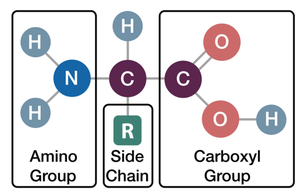
Classification of Amino Acids
Amino acids are grouped based on their side chain properties:
Nonpolar amino acids: Hydrophobic, with long or bulky side groups.
Polar amino acids: Hydrophilic, not charged.
Acidic amino acids: Hydrophilic, negatively charged.
Basic amino acids: Hydrophilic, positively charged.
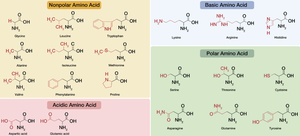 Additional info: Amino acids are also classified nutritionally as essential (must be obtained from diet), nonessential (synthesized by the body), and conditionally essential (required during certain life stages).
Building Proteins: Transcription, Translation, and Folding
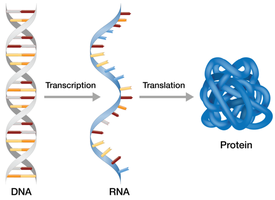
Protein synthesis involves three main steps:
Transcription: DNA is copied into messenger RNA (mRNA).
Translation: mRNA is decoded to synthesize a protein.
Protein folding: The amino acid chain folds into its functional shape.
Peptide Bonds and Protein Organization
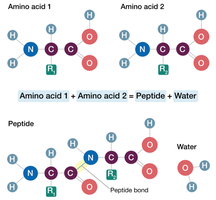
Amino acids are linked by peptide bonds to form proteins.
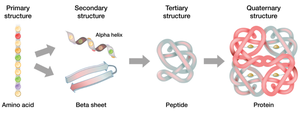
Proteins have four structural levels: primary (sequence), secondary (alpha helix, beta sheet), tertiary (3D folding), and quaternary (multiple polypeptides).
Protein Denaturation and Its Consequences
Denaturation: Unraveling the Fold
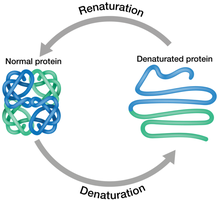
Denaturation refers to physical changes in a protein's structure due to external stress, such as heat, acid, salt, alcohol, or mechanical agitation. The protein unfolds, losing its functional shape.
Denatured proteins cannot perform their biological functions.
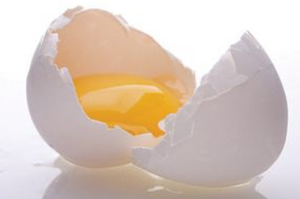
Example: Cooking an egg causes the proteins to denature and solidify.
Protein Digestion and Absorption
From the Mouth to the Stomach
Protein digestion begins with mechanical breakdown in the mouth and continues in the stomach, where gastric juices (hydrochloric acid and pepsin) initiate chemical digestion.
Pepsin breaks protein chains into smaller fragments.
From the Stomach to the Small Intestine
Pancreatic enzymes (chymotrypsin and trypsin) further digest proteins.
Intestinal enzymes break fragments into individual amino acids.
Amino acids are absorbed into the bloodstream.
Amino Acid Recycling
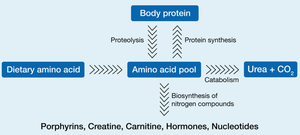
Protein turnover is the continual breakdown and synthesis of proteins.
Amino acids are used for protein synthesis, DNA/RNA production, and energy.
Protein Functions in the Body
Structure and Motion
Collagen is a strong, fibrous protein in bone, tendons, ligaments, cartilage, skin, and muscle.
Provides strength and flexibility.
Enzymes
Proteins that catalyze specific chemical reactions.
Lower activation energy and speed up reactions.
Highly specific to substrates.
Hormones
Many hormones are proteins, acting as chemical messengers.
Regulate enzyme activity and bodily functions.
Fluid and Acid-Base Balance
Proteins like albumin maintain fluid distribution and pH balance.
Transport molecules in blood.
Protection
Proteins form antibodies and enzymes for immune defense.
Lysozyme destroys bacteria; antibodies target pathogens.
Wound Healing and Tissue Regeneration
Proteins are essential for cell creation, tissue repair, and regeneration.
Enzymes, transport proteins, hormones, and collagen are involved.
Energy Production
Amino acids can be catabolized for energy, especially during intense exercise or inadequate dietary intake.
Only about 10% of dietary protein is used for energy daily.
Diseases Involving Proteins
Protein Deficiency
Kwashiorkor: Severe protein and micronutrient deficiency; symptoms include swelling, poor skin health, growth retardation, low muscle mass, and liver malfunction.
Marasmus: Severe protein and energy deficiency; symptoms include emaciation, poor skin health, and growth retardation.
Excess Protein Intake
High-protein diets (>30% of calories) may increase risk of cardiovascular disease and diabetes.
Can restrict intake of other essential nutrients and compromise vitamin/mineral balance.
Moderation and variety are key for healthy protein intake.
Proteins, Diet, and Personal Choices
Recommended Dietary Allowance (RDA) for Protein
The RDA for adults is 0.8 grams per kilogram of body weight.
Formula:
AMDR for protein is 10–35% of daily calories.
Dietary Sources of Protein
Protein food group includes meat, seafood, poultry, eggs, soy, beans, peas, and seeds.
Complete protein sources: Contain all nine essential amino acids (e.g., animal products, soy).
Incomplete protein sources: Lack one or more essential amino acids (e.g., most plant foods).
Complementary foods: Combining plant foods to provide all essential amino acids.
Protein Quality: PDCAAS
The Protein Digestibility Corrected Amino Acid Score (PDCAAS) measures protein quality based on amino acid content and digestibility.
Milk protein, egg whites, whey, and soy have the highest PDCAAS (score of 1).
Vegetarian and Vegan Diets
High-quality plant-based proteins include tofu, soy, quinoa, and pistachios.
Vegetarians should include foods fortified with vitamins B12, D, calcium, omega-3 fatty acids, and choline.
Vegetarian diets are associated with reduced risk of diabetes, heart disease, and cancer.
Protein and Exercise
Sarcopenia: Age-related decline in muscle mass and strength; dietary protein may help prevent this.
Protein supplements do not enhance exercise performance or muscle gain more than food protein.
Most people, including athletes, do not require high protein intake.
Additional info: Protein is not stored in the body like carbohydrates or fat, so adequate dietary intake is essential to prevent tissue breakdown.
Summary Table: Protein Classification
Type | Definition | Examples |
|---|---|---|
Essential Amino Acids | Cannot be synthesized by the body; must be obtained from diet | Leucine, Lysine, Valine |
Nonessential Amino Acids | Can be synthesized by the body | Alanine, Glutamine |
Conditionally Essential Amino Acids | Required during certain life stages or conditions | Arginine, Cysteine |
Summary Table: Complete vs. Incomplete Protein Sources
Source | Complete? | Notes |
|---|---|---|
Eggs, Milk, Meat | Yes | Contain all essential amino acids |
Soy | Yes | Plant-based complete protein |
Beans, Peas, Nuts | No | Combine with grains for completeness |
Gelatin | No | Animal-based incomplete protein |
