 Back
Requirements for Life: Necessary Life Functions and Survival Needs
Study Guide - Smart Notes
 Tailored notes based on your materials, expanded with key definitions, examples, and context.
Topic 1.3 - Requirements for Life
Interdependence of Cells and Organ Systems
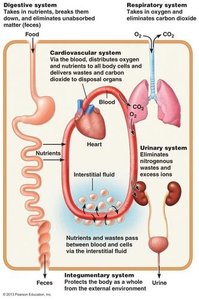
The human body is a complex multicellular organism in which cells and organ systems work together to maintain life. No cell functions independently; instead, body functions are distributed among different organ systems, which cooperate to ensure the wellbeing of the entire organism.
Multicellularity: Humans are composed/made of trillions of cells, each specialized for particular functions.
Organ System Cooperation: Organ systems interact to perform vital processes such as nutrient delivery, waste removal, and protection from the environment.
Necessary Life Functions
Overview of Life Functions
To sustain life, the human body must perform several essential functions. These include maintaining boundaries, movement, responsiveness, digestion, metabolism, excretion, reproduction, and growth.
Boundaries
Movement
Responsiveness
Digestion
Metabolism
Excretion
Reproduction
Growth
Mnemonic device suggestion: "My Brother Really Doesn't Make Eggs, Rice, or Grapes" (Movement, Boundaries, Responsiveness, Digestion, Metabolism, Excretion, Reproduction, Growth).
Maintaining Boundaries
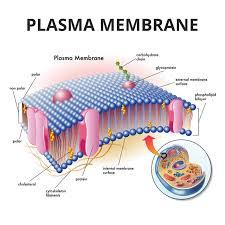
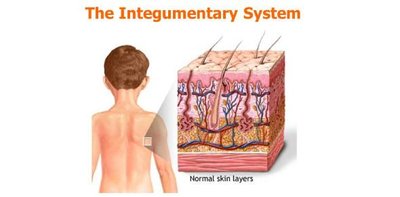
Maintaining boundaries is essential for separating the internal environment from the external environment. This is achieved at both the cellular and organismal levels.
Plasma Membrane: Separates the interior of the cell from the external environment, controlling the movement of substances in and out of cells.
Skin (Integumentary System): Protects the body as a whole from the external environment.
Movement
Movement includes the motion of the entire body, individual organs, single cells, and even structures within cells.
Body Parts: Skeletal muscles enable movement of limbs and other body parts.
Contractility: Muscle cells can shorten, producing movement.
Cellular Movement: For example, white blood cells move toward sites of infection.
Movement of Substances: Cardiac muscle pumps blood throughout the body.
Responsiveness (Excitability)
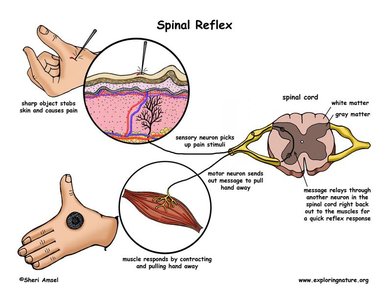
Responsiveness is the ability to sense and respond to changes in the environment. This function is critical for survival and is most closely associated with the nervous system.
Definition: The ability to detect and respond to stimuli.
Example: Nerve cells are highly excitable and communicate rapidly via electrical impulses.
Digestion
Digestion is the process of breaking down ingested food into simple molecules that can be absorbed into the blood and delivered to cells throughout the body.
Role of the Digestive System: Breaks down food and absorbs nutrients.
Role of the Cardiovascular System: Transports absorbed nutrients to body cells.
Metabolism
Metabolism encompasses all chemical reactions that occur within body cells. It includes both the breakdown and synthesis of molecules, as well as energy production.
Catabolism: Breakdown of complex molecules into simpler ones.
Anabolism: Synthesis of complex molecules from simpler ones.
Cellular Respiration: Use of nutrients and oxygen to produce ATP (energy).
Equation for Cellular Respiration:
Excretion
Excretion is the process of removing wastes produced by digestion and metabolism from the body.
Urea: Produced from the breakdown of proteins, excreted by the urinary system.
Carbon Dioxide: Byproduct of cellular respiration, excreted by the respiratory system.
Feces: Indigestible food residues, eliminated by the digestive system.
Reproduction
Reproduction occurs at both the cellular and organismal levels. It is essential for growth, repair, and continuation of the species.
Cellular Level: Division of cells for growth or repair (mitosis).
Organismal Level: Production of offspring (meiosis and fertilization).
Growth
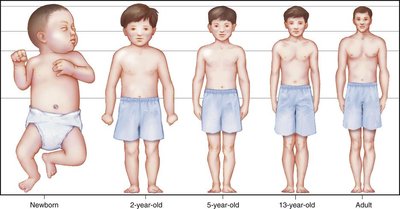
Growth refers to an increase in size of a body part or the organism as a whole, usually accomplished by increasing the number of cells.
Cellular Growth: Increase in cell number through cell division.
Organismal Growth: Increase in overall body size and complexity.
Survival Needs
Overview of Survival Needs
All body systems work together to maintain life, which requires several key factors: nutrients, oxygen, water, normal body temperature, and appropriate atmospheric pressure.
Nutrients
Oxygen
Water
Normal Body Temperature
Appropriate Atmospheric Pressure
Nutrients
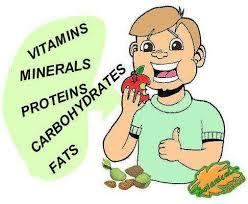
Nutrients are chemicals required for energy and cell building. They include carbohydrates, proteins, fats, vitamins, and minerals.
Carbohydrates: Major source of energy.
Proteins: Needed for cell building and chemical reactions.
Fats: Long-term energy storage.
Minerals and Vitamins: Involved in chemical reactions and structural functions.
Oxygen
Oxygen is essential for metabolic reactions that release energy from food. The body can survive only a few minutes without oxygen.
Role in Cellular Respiration: Oxygen is required to produce ATP, the energy currency of the cell.
Water
Water is the most abundant chemical in the body, making up 50-60% of body weight. It provides the environment necessary for chemical reactions and serves as the fluid base for body secretions and excretions.
Chemical Reactions: Most metabolic reactions occur in water.
Transport: Water is a major component of blood, lymph, and other body fluids.

Normal Body Temperature
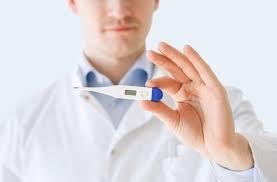
Maintaining a normal body temperature (around 98.6°F or 37°C) is crucial for proper metabolic function. Deviations can disrupt chemical reactions and impair body systems.
Low Temperature: Slows or stops metabolic reactions.
High Temperature: Speeds up reactions excessively, potentially causing system failure.
Appropriate Atmospheric Pressure
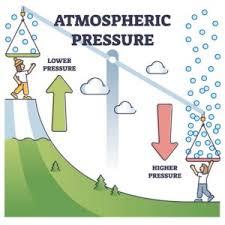
Atmospheric pressure is the force exerted by air on the body. Proper pressure is necessary for breathing and gas exchange in the lungs.
Low Pressure: Can impair oxygen uptake.
High Pressure: Can also disrupt normal physiological processes.
Review Questions
What separates living beings from nonliving objects? Living beings carry out all necessary life functions, including metabolism, responsiveness, movement, and reproduction, whereas nonliving objects do not.
What name is given to all chemical reactions that occur within body cells? Metabolism.
